Breaking Design Rules Without Compromising Aesthetic or Functionality
Interior designers often encounter clients seeking definitive design rules for decorating homes, but many guidelines are not set in stone and can be broken without compromising the space.
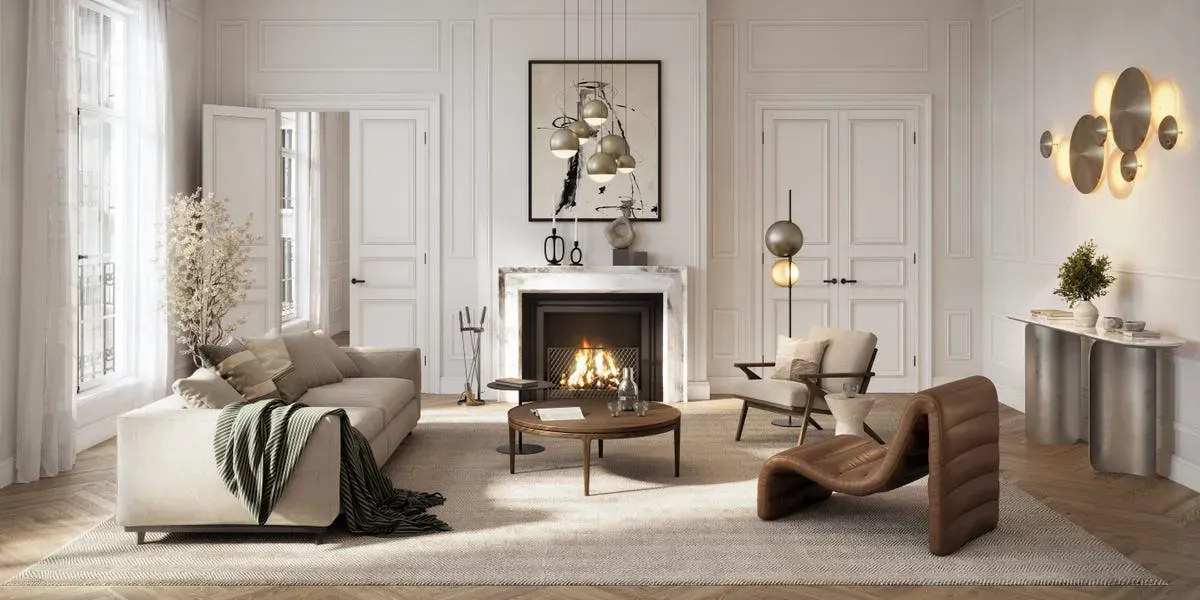
In recent years, there has been a growing trend towards adhering to strict design "rules in interior decorating. However, many of these guidelines are not set in stone and can be safely broken without compromising the aesthetic or functionality of a space.
As an interior designer with over 20 years of experience, I have found that many clients approach me seeking definitive rules for decorating their homes. They often assume that there is a clear set of guidelines to follow in order to achieve a beautiful and functional living space.
While building codes, safety requirements, and circulation considerations are essential to consider when designing a home, much of what we think of as design and decorating is guided by rules of thumb and cultural assumptions. These informal guidelines can be useful starting points, but they often overlook the unique needs and preferences of the individuals who will be living in the space.
In my experience, it's not uncommon for clients to feel constrained by traditional design rules when trying to create a personalized and functional home environment. As a result, I encourage them to think beyond the conventional wisdom and explore new ideas that challenge these established norms.
A good place to start is by reevaluating common design rules" that may be holding you back from achieving your desired aesthetic. By breaking free from these constraints, you can create a space that truly reflects your personality and meets your specific needs.
Open shelving can be a beautiful addition to a kitchen, breaking up a wall of cabinetry and creating a space that feels lighter and more open. However, this design choice requires careful consideration, particularly when it comes to maintaining order and dealing with dust and grime.
To determine whether open shelving is right for a client, I engage them in a conversation about what they would actually display on the shelves. This helps us assess their willingness to maintain a certain level of order and tidiness, as well as their comfort with the added responsibility that comes with showcasing personal items.
The decision ultimately depends on the individual's lifestyle and preferences. Some people enjoy the process of curating and maintaining open shelving, while others may find it too time-consuming or overwhelming. It's essential to weigh the benefits against the potential drawbacks before making a final decision.
In addition to considering the practical aspects, I also encourage my clients to think about their personal style and how it aligns with their home's architecture. While there is value in maintaining architectural continuity, it's not a hard-and-fast rule.
When renovating or redecorating, it's easy to get caught up in preserving the original character of a traditional home. However, this can sometimes lead to inflexibility when it comes to making changes that would actually improve the space.
A common assumption is that if a room feels cramped or isn't functioning well, the solution lies in adding more square footage. But often, the issue is not with the size of the space itself, but rather how it's being used.
For instance, I worked with a client who was considering expanding their kitchen to address what they perceived as a lack of space. However, upon closer examination, we found that the existing kitchen had ample room, the problem lay in its inefficient layout.
Before rushing into costly renovations or expansions, it's essential to identify where the friction lies. Is it difficulty moving through the room? Clutter accumulating in unwanted areas? Or perhaps items are being stored far from where they're used?
By pinpointing these issues, we can often find creative solutions that don't require adding more space at all. In this case, reorganizing the existing layout proved to be a much more effective, and budget-friendly, solution for my client's needs.
In many cases, home decor guidelines are based on idealized scenarios rather than real-life needs.
A common example is the placement of furniture in living areas.
Magazines and social media often feature pristine white sofas as a centerpiece, but what about practicality?
In reality, these sofas may need to be protected from spills and stains with blankets or throws.
This shift in priorities highlights the importance of balancing aesthetics with functionality.
When it comes to kitchen design, another guideline is often overlooked: the placement of waste collection.
A standard rule suggests keeping trash cans near the sink for easy disposal during food prep and cleanup.
However, this may not always be the most practical solution.
For instance, some homeowners prioritize composting and recycling over conventional trash.
In interior design, it's common for homeowners to feel compelled to fill every available space, whether it's a wall, shelf, or corner of a room. However, this instinct may not be entirely justified.
Leaving some areas empty can actually be beneficial, as it allows you to live with the space and discover what, if anything, is truly needed in those areas. This approach gives you an opportunity to reassess your needs and make more informed design decisions.
By leaving certain spaces unfilled, you may stumble upon new functions or uses for a room that you hadn't previously considered. Alternatively, you might find that the space works perfectly well without any additional elements.
This approach can also help prevent over-designing a space, which can sometimes lead to clutter and visual overload.
When working with an interior designer, it's common for homeowners to assume that the professional's expertise supersedes their own opinions and preferences. However, a successful design process relies on collaboration between the designer and client.
Homeowners often possess a unique understanding of what works best in their space, even if they can't articulate their thoughts in design vocabulary. They may notice when a color or material feels off, and have strong reactions to certain furnishings or styles.
In fact, clients are the true experts when it comes to their own living habits and preferences. An interior designer's role is not to impose their own aesthetic judgment, but rather to help translate the client's desires into a cohesive design.
Ultimately, effective design involves striking a balance between expertise and personal taste, acknowledging that there is no one-size-fits-all approach to interior design.
Facts based on reporting originally published by Business Insider.
You may republish this story, in full or in part, if you credit News Central Site and link to it (licence CC BY 4.0). Photos are not included.