Unequal Distribution of Parenting Responsibilities
The author reflects on her early years as a mother and how she shouldered most parenting responsibilities due to her husband's limited involvement.
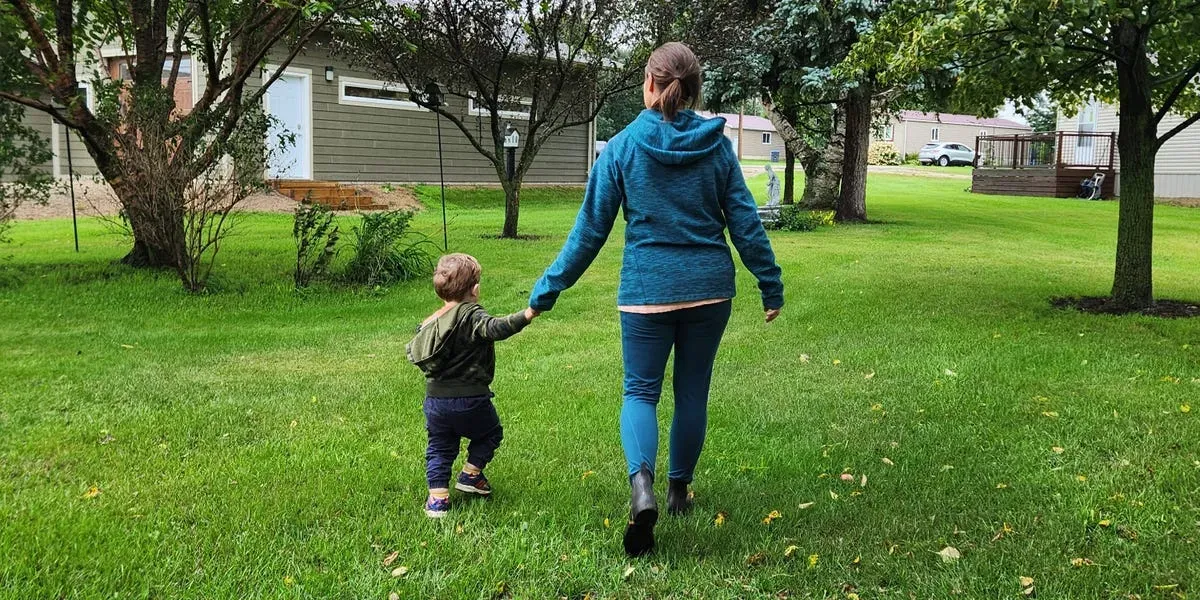
As I reflect on my early years as a mother, one aspect stands out - the immense burden of childcare responsibilities fell squarely on my shoulders. My husband and I had different lifestyles during this time, with his daily routine remaining relatively unchanged despite our shared parenting duties.
My days were consumed by caring for our children, managing household chores, and preparing for work the next day. In contrast, my husband's commute was longer, but he enjoyed the freedom to drive without interruptions from our kids. His workdays were physically demanding, and on weekends, he took care of maintaining our 23-acre property.
Despite his contributions, my husband's involvement in household chores and childcare was limited during this period. This was not an uncommon arrangement for couples in our generation at that time. Our system worked, but it also meant I shouldered the bulk of parenting responsibilities.
My children are now grown, and I'm proud to see the changes in gender roles within my own family. My sons have taken on more significant parental duties, sharing household chores, childcare, and meal-making with their partners. While I don't judge whether they do their fair share, it's clear that they're contributing more than their father did during our early parenting years.
This shift in responsibilities is heartening to see, especially considering the challenges we faced as parents. It's a welcome change that acknowledges the value of shared parenting and household duties.
As a parent, it's easy to get caught up in the idea that we can be perfect caregivers for our children. We may imagine ourselves as being more emotionally present, able to provide for all their physical, mental, and emotional needs.
However, reality often sets in when we're juggling multiple responsibilities at once, like I was with my three rambunctious boys and an often-absent husband. Something had to give, so when burnout led to a diagnosis of depression, I took a sick leave from work.
A period of recovery helped me regain my footing, during which I chose part-time work to avoid the stress that had contributed to my burnout in the first place. This experience was pivotal in helping me become more understanding and forgiving towards my own mother for not meeting all my emotional needs when I was growing up.
It wasn't easy to accept help from others, but thankfully my mother never judged me or pried into my deepest insecurities. Instead, she offered calm support and a listening ear, something I've always deeply appreciated as an adult.
As a grandmother now, I've come to realize that it's not just about offering words of encouragement or trying to fix problems, but also about being present and listening actively. My own mother had a profound impact on me, and her unconditional love and support continue to drive my desire to pay it forward to my children.
Watching my kids navigate the challenges of parenting has been difficult for me, as I recall the struggles I faced when they were young. The demands of caring for small children can be overwhelming, from meal prep and naps to bathing and potty training, leaving little time or energy for oneself. It's not uncommon for parents to feel like they're just trying to survive at times.
As a grandmother, I'm acutely aware of the need for balance in offering support without overstepping boundaries. I've learned that sometimes it's better to listen twice as much as I speak, and that unsolicited advice can be well-intentioned but ultimately unhelpful. By being mindful of this dynamic, I try to provide a supportive ear rather than trying to offer solutions.
I'm careful not to assume that my children are handling things perfectly, even when they may present a confident facade. In reality, their eyes often betray the exhaustion and stress they're feeling, and it's in these moments that I strive to be particularly attentive and understanding.
As a grandmother, I've had to learn when to keep my opinions to myself and let my children make their own decisions.
In many situations, I would have handled things differently if given the chance, but now I try to bite my tongue and trust that my children will figure it out on their own. This has been a challenging adjustment for me, but I'm convinced that this is how my mother approached parenting as well - by respecting her children's autonomy and letting them learn from their mistakes.
Watching my sons navigate the challenges of parenthood has been particularly tough, as they struggle with their own children's growing pains. It's clear that these difficulties will only intensify as their kids grow older and more independent, but I'm trying to be supportive rather than overbearing, just as I was supported by my mother when I needed it.
Ultimately, being a good role model means not sacrificing one's own well-being for the sake of others - it's essential to prioritize self-care and set a positive example by treating oneself with kindness and compassion.
Facts based on reporting originally published by Business Insider.
You may republish this story, in full or in part, if you credit News Central Site and link to it (licence CC BY 4.0). Photos are not included.