Black women face challenges as entrepreneurs in food industry
A new report highlights the systemic roadblocks faced by Black women entrepreneurs in the food industry, including limited access to capital investment and mentorship.
A new report has shed light on the challenges faced by Black women entrepreneurs in the food industry. The study found that despite making significant contributions to the sector, these women often encounter systemic roadblocks that hinder their success.
Researcher Lilly Jan was motivated to investigate this issue after discovering a lack of data on Black women-owned businesses within the food industry. She partnered with an undergraduate student, Emma Roder, to collect and analyze information, ultimately producing the report "Black Women in Food Industry Report: Entrepreneurship Across the Food Landscape".
The study highlights the crucial role that access to capital investment and mentorship plays in determining the success of Black women entrepreneurs in the food industry. However, the research reveals that these resources are often scarce or inaccessible to this demographic.
Jan's findings underscore the need for greater support and recognition of the contributions made by Black women in the food industry. Her report aims to bring attention to the systemic inequities that affect their entrepreneurial journeys and advocate for change.
The financial struggles faced by Black women entrepreneurs in the food industry are a stark reality, with most reporting annual revenues of less than $25,000.
This limited financial scope is not unique to the food sector, as a recent report found that women-owned businesses account for only 6.2% of total revenue despite making up 39.2% of all businesses.
Jan and Roder's research highlights the social and cultural significance of these microenterprises, which are often driven by a desire to engage with their community and preserve cultural heritage.
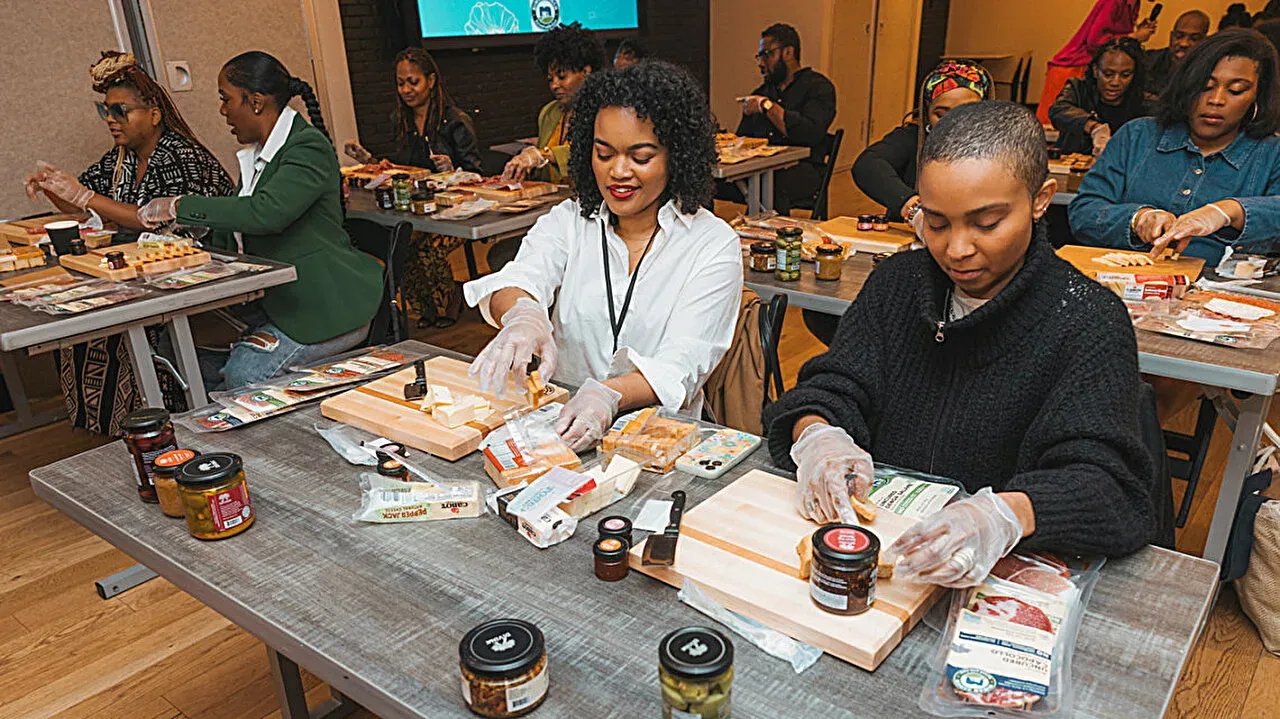
The study participants came from various Black Women in Food programs, including its third annual summit held in Washington, D.C. in April 2025, where they shared their experiences and insights.
The collaboration between Jan, Roder, and the co-founders of Black Women in Food, Nina Oduro and Maame Boakye, was instrumental in gathering data that reveals broader patterns of systemic inequities affecting these entrepreneurs.
The researchers analyzed data from surveys completed by Black women entrepreneurs, seeking information on various aspects of their businesses.
Key insights emerged from the analysis, including a lack of access to capital and peer mentors for many respondents. This was not an isolated issue, but rather part of a broader pattern of systemic inequities affecting these entrepreneurs.
At this year's Black Women in Food Summit in Washington, D.C., researchers presented some of their findings and received emotional responses from attendees. Many women felt seen and heard by the researchers' attention to their experiences.
The survey also revealed a sense of community among respondents, who despite being anonymous, shared supportive messages with each other through their responses.
The report highlights systemic barriers that Black women face in various segments of the food industry, from entrepreneurship to employment.
These findings underscore the need for targeted solutions and investments to address these disparities. Prioritizing research will enable meaningful progress toward dismantling these barriers, according to experts in the field.
Ultimately, this study aims to inform decision-making and drive systemic changes that promote equity and opportunity for Black women in the food industry, paving the way for greater diversity and inclusion.
Facts based on reporting originally published by Phys.org.
You may republish this story, in full or in part, if you credit News Central Site and link to it (licence CC BY 4.0). Photos are not included.