Bees and Hoverflies Contribute Significantly to Ecosystem Services
Insects play vital roles in sustaining the natural world by providing numerous benefits including pollination and decomposition.
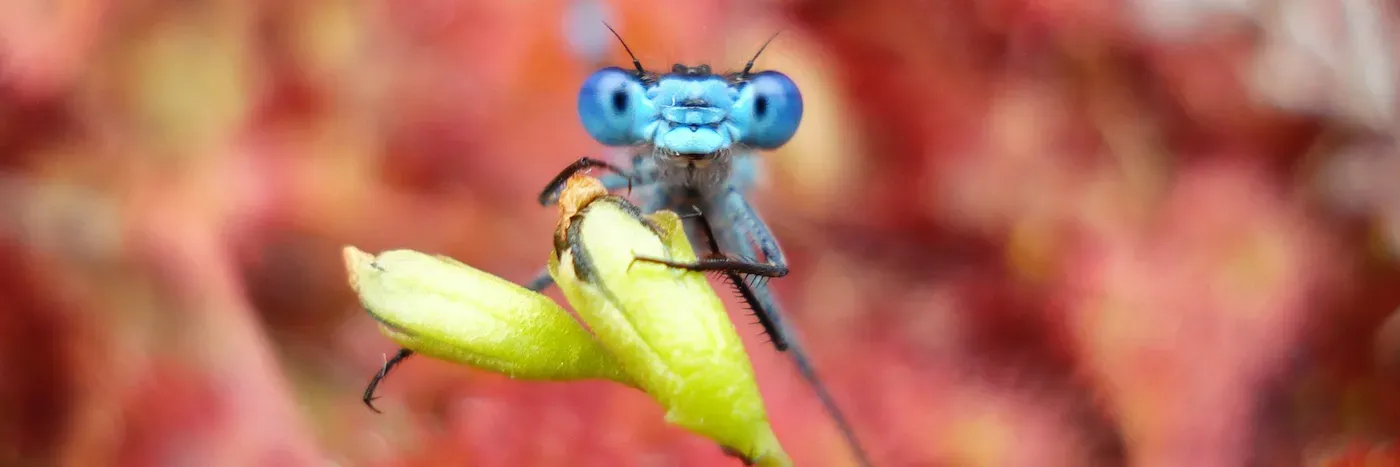
At least 14 million insect species are known to exist on Earth, playing vital roles in sustaining the natural world. Insects provide numerous benefits, often referred to as "ecosystem services," including pollination and decomposition.
Pollinators such as bees and hoverflies contribute significantly to the reproduction of wildflowers and agricultural crops. Dung beetles, on the other hand, break down manure and other waste materials, recycling nutrients back into the ecosystem.
Insects play a crucial role in creating and maintaining habitats for other species, often building massive structures that provide shelter and protection.
Termite nests, for instance, serve as ideal breeding grounds for reptiles, who can lay their eggs in the climate-controlled environment within these mounds. Parrots also find termite nests suitable for nesting purposes. In dry regions, some frogs take advantage of ant nests by living inside them to escape harsh conditions and evade detection.
The soil surrounding termite mounds creates an ideal environment for other species to build their burrows. The nutrient-rich soil supports the growth of plants, which in turn provides a grazing habitat for herbivores such as gazelles. Ant nests also concentrate nutrients that enhance plant growth, thereby supporting the local ecosystem.
Insects serve as protectors and bodyguards for vertebrates, providing defense against predators. This may seem counterintuitive, but certain species rely on insects to ward off threats. For example, horned lizards have developed a unique defense mechanism by turning chemicals from ants into a toxic substance that repels big cats.
Vertebrates also obtain toxicity from the chemical compounds found in insects they eat. Poisonous frogs, birds, and snakes store toxins from ants and beetles as part of their defensive strategy, using these poisonous substances to deter predators.
Some birds have evolved a clever strategy to deter predators from their nests by deliberately choosing locations near wasp colonies. The presence of these aggressive insects serves as a warning sign, making potential threats think twice before approaching the nest.
In addition to this defensive tactic, some vertebrates have developed an uncanny ability to mimic the appearance and movement of insects. For instance, young songbirds in the Amazon rainforest will move their heads to resemble fuzzy caterpillars when predators are nearby, effectively disguising themselves as harmless food sources.
Insects also play a vital role in maintaining ecosystem health by removing waste from environments. By decomposing carcasses and dung, they help prevent disease transmission among wild vertebrates. For example, certain species of insects tunnel through and bury dung, making it an unfavorable habitat for parasites to thrive.
Some mosquito species are notorious for transmitting diseases such as malaria, but other insects have a crucial role in controlling their populations. Dragonflies, in particular, are fierce aquatic predators that feed on mosquito larvae during their larval stage.
In a surprising twist, the ability of certain insects to spread diseases has also led to conservation success stories. In Australia, scientists used mosquitoes to transmit a virus that helped control invasive European rabbit populations, ultimately leading to an increase in native marsupial populations such as bilbies and other threatened species.
Research has uncovered numerous medicinal compounds within insects, with many more likely waiting to be discovered. One fascinating example is observed in chimpanzees, who have been known to press flying insects into wounds, suggesting a potential healing effect.
Insects are also a vital source of sustenance for countless species. They dominate the biomass and numbers in nearly every terrestrial and freshwater ecosystem on Earth, with their collective weight far exceeding that of all wild vertebrates combined.
The consumption of insects is not limited to birds and bats; even grizzly bears have been known to eat moths as part of their winter bulk-up regimen. This highlights the crucial role insects play in supporting the food supply for various animal species.
In addition to being a direct source of nutrition, insects also have an indirect impact on the food chain. Many plants rely on insects as pollinators, and when these relationships are disrupted, it can have far-reaching consequences.
For instance, small wasps are the sole pollinators of fig trees, which provide fruit for over 1,200 vertebrate species. This intricate web of relationships between insects, plants, and animals underscores the importance of maintaining balanced ecosystems.
Changes in insect populations can also lead to significant alterations within ecosystems. The introduction of invasive ants has been known to disrupt native ant-plant relationships, ultimately affecting the behavior of larger herbivores like elephants, which may alter their prey patterns in response.
Sloths have a unique relationship with moths that live in their fur, which has puzzled scientists for some time. It's been observed that sloths make a slow and perilous journey to the ground once a week, defecating without any apparent reason.
Research has now revealed that these moths play a crucial role in the sloth's ecosystem. The moths provide essential nutrients to algae that grow in the sloth's fur, which the sloth then consumes as part of its diet. This symbiotic relationship also gives sloths their characteristic green hue, helping them blend into their forest surroundings.
The sloth's regular excursions to the ground serve a vital purpose beyond just eliminating waste. The moths reproduce within the sloth's dung, allowing them to complete their life cycle. This intricate connection between species highlights the complex interdependencies that exist in ecosystems.
Insects perform a multitude of functions and services for both humans and other animals, including large vertebrates like sloths and songbirds. As insect populations decline, these relationships are disrupted, potentially destabilizing entire ecosystems.
The preservation of insects is essential to maintaining biodiversity, as they support the well-being of numerous species that rely on them. By conserving insects, people not only protect the insects themselves but also safeguard the many species that depend on them for survival and prosperity.
Insects play a crucial role in maintaining ecosystem balance by contributing to nutrient cycling, pollination, and seed dispersal. This vital support has a ripple effect on vertebrate populations, influencing their habitat quality, availability of food sources, and overall health.
Pollinators like bees and butterflies are essential for the reproduction of many plant species, while seed dispersers like ants and beetles help spread seeds to new areas, promoting vegetation growth and diversity. Insects also contribute to nutrient cycling by breaking down organic matter and recycling nutrients back into the environment.
Facts based on reporting originally published by Phys.org.
You may republish this story, in full or in part, if you credit News Central Site and link to it (licence CC BY 4.0). Photos are not included.