TV Lifespan Varies Greatly Depending on Panel Type and Usage
A new smart TV typically lasts between seven to ten years if properly maintained, but its longevity also depends on various factors such as panel type, usage, and treatment.

Buying a new smart TV can be an exciting experience, but one question often overlooked is how long it will actually last in use. The answer to this query varies greatly depending on several factors. On average, a new smart TV has a lifespan of around seven to ten years if properly maintained.
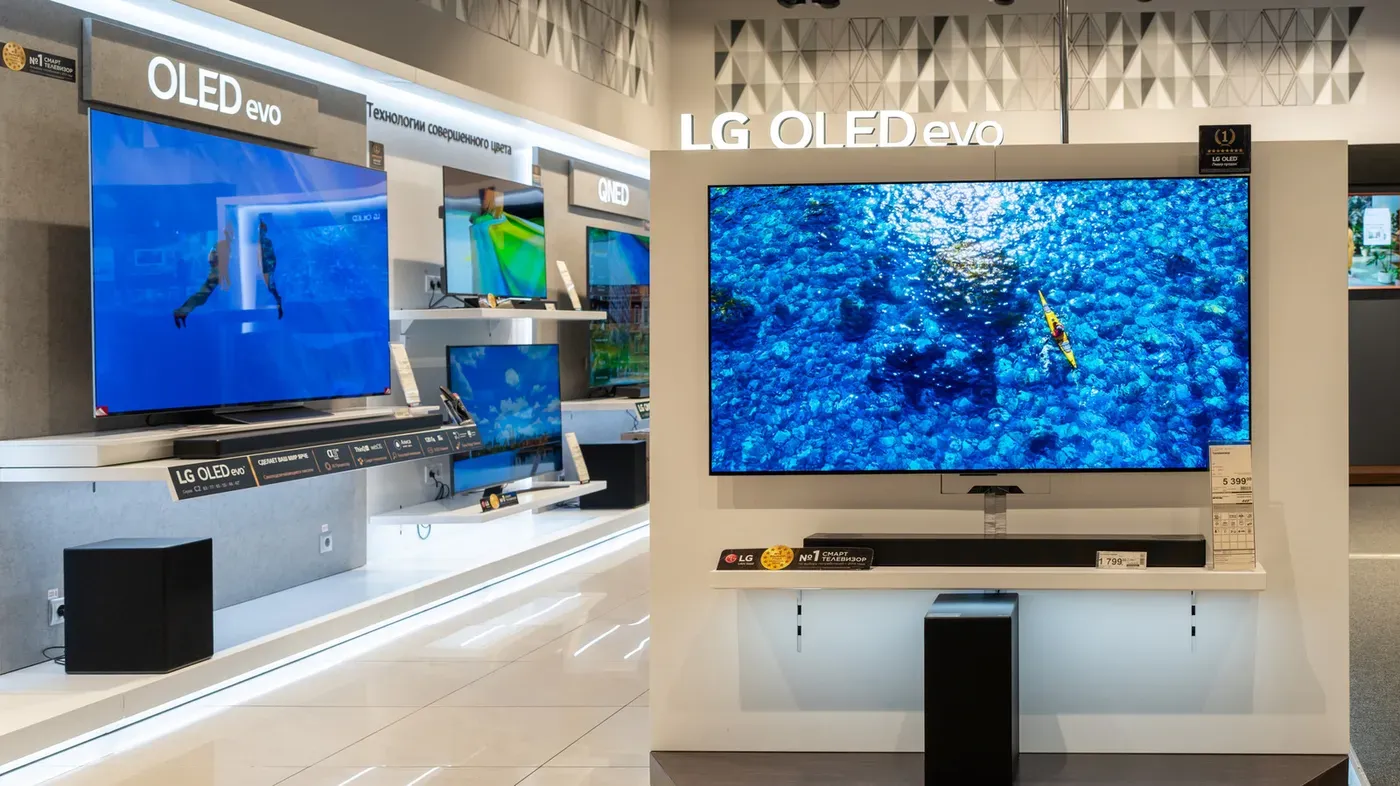
The longevity of a smart TV also depends significantly on its panel type and materials used. LCD TVs, for instance, tend to have a shorter lifespan compared to other types. Typically, an LCD TV can last anywhere from five to seven years before showing signs of wear and tear. In contrast, OLED TVs are known for their longer lifespan, lasting between eight to twelve years.
The way you treat your smart TV also plays a crucial role in determining its lifespan. Leaving the device on continuously can significantly reduce its lifespan. Moreover, internal components such as the logic board tend to fail before the panel itself shows signs of degradation.
Smart TVs are rated for specific hours of usage based on their panel type and materials used. A standard LED/LCD TV is typically rated for 40,000-60,000 hours but has a shorter lifespan due to component failure. In contrast, QLED/mini LED TVs have longer lifespans, lasting around eight to ten years.
The rating for hours of usage varies depending on the panel type. For instance, OLED TVs are also rated for up to 100,000 hours and tend to last between eight to twelve years. However, one notable risk associated with OLED technology is burn-in.
MicroLED TVs have the longest overall lifespan, with a typical lifespan of eleven or more years. They are also rated for over 100,000 hours of usage, making them a durable option in terms of longevity.
The number of hours a smart TV can last is often exaggerated by manufacturers' ratings, which measure gradual dimming rather than sudden failure. In reality, most TVs don't deteriorate due to their clocked hours but are affected by various factors that shorten their lifespan.
Heat is a significant contributor to the premature decline of LED/LCD TVs, as it accumulates around the panel's edges and accelerates backlight wear. Moreover, consistently setting the TV to maximum brightness can cause components to degrade faster than usual. Electrical fluctuations also pose a threat, slowly degrading the logic board and power supply over time.
Major smart TV manufacturers typically offer four to eight years of software support, which is crucial in extending the lifespan of these devices. Samsung, for instance, provides seven years of updates for models released since 2024 and some 2023 versions, while LG offers five years of support, and Hisense up to eight years on VIDAA OS.
Using a smart TV at moderate brightness levels can significantly extend its backlight life. Running the device between 50 to 75 percent brightness can increase its lifespan by as much as 67 percent. Additionally, turning off the TV instead of leaving it in standby mode or using screensavers is another way to give your device a longer life.
Giving your smart TV moderate use and proper care can go a long way in extending its lifespan. By avoiding extreme brightness settings and minimizing electrical fluctuations, you can help ensure that your TV remains functional for years to come.
Leaving static images on an OLED smart TV's screen for extended periods can lead to burn-in damage. This is because these screens use organic material that can degrade over time when exposed to consistent visuals.
To safeguard your investment, it's essential to provide adequate ventilation around the TV and avoid placing it in a confined space. Installing surge protection devices will also help shield against electrical fluctuations that could potentially harm the device.
Facts based on reporting originally published by Engadget.
You may republish this story, in full or in part, if you credit News Central Site and link to it (licence CC BY 4.0). Photos are not included.