Apple Discontinues Mac Pro Production
The company has stopped manufacturing new Mac Pros, leaving users wondering about their existing machines' future.
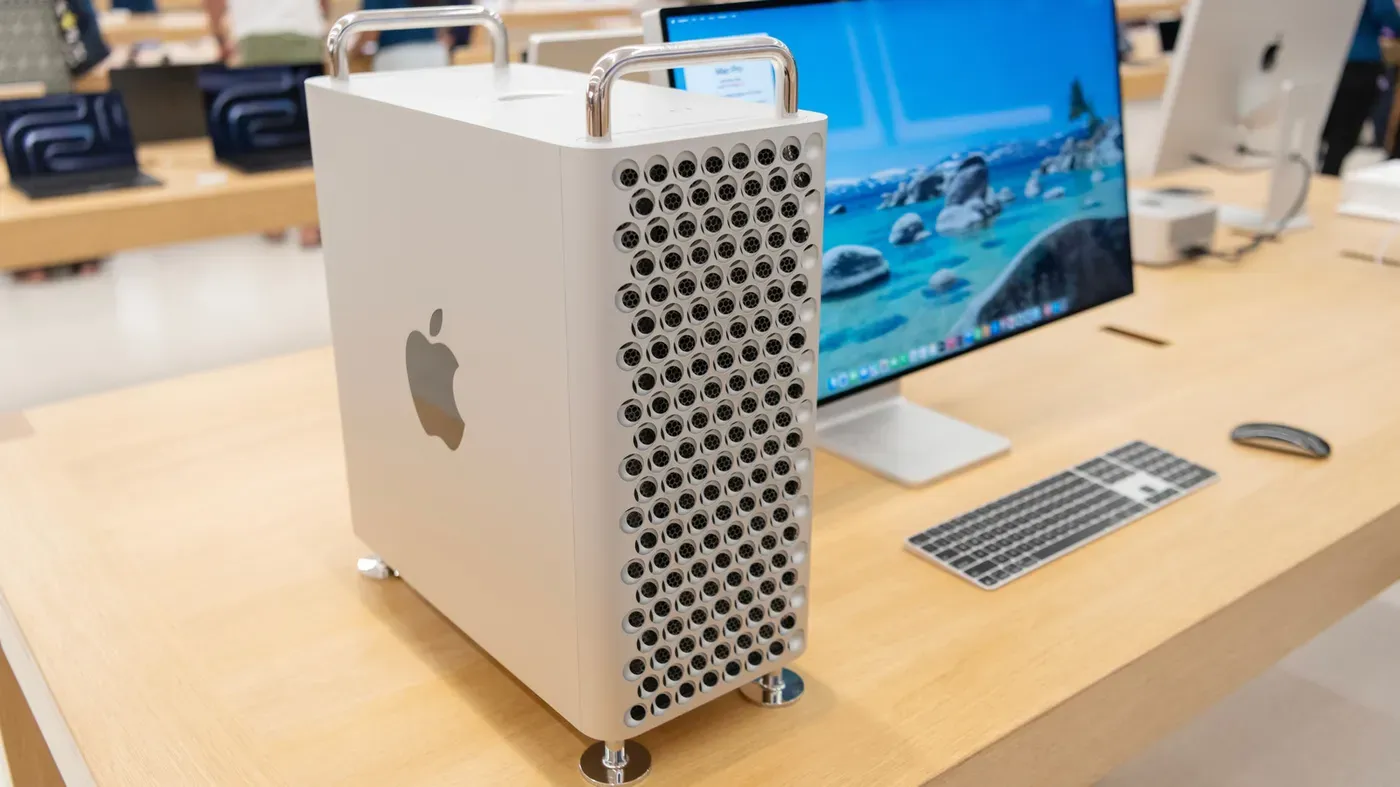
Apple has officially ended production of its long-running Mac Pro desktop workstation. This decision marks a significant change in the company's product lineup, leaving many users wondering what to do with their existing machines. The Mac Pro was known for being a serious investment, starting at $5,999 for the entry-level 2019 model and reaching tens of thousands of dollars when fully equipped.
Despite Apple no longer manufacturing new Mac Pros, the value of discontinued workstations remains substantial. Many users are now considering selling their Mac Pros to upgrade to newer models, such as the Mac Studio, or repurposing existing hardware with alternative operating systems. The secondhand market for Mac Pros has remained strong, indicating a continued demand for these high-end workstations.
One key advantage of the Mac Pro is its modular design, making it easier to run alternative operating systems and keep the device current. This flexibility is particularly useful in situations where software compatibility or hardware requirements are not met by newer Mac products. As a result, users can breathe new life into their Mac Pros, extending their lifespan and maximizing value.
The decision to discontinue the Mac Pro also raises questions about its long-term viability as a working machine. While it may still be possible to use the workstation for years to come, its hardware is likely showing signs of aging. Nevertheless, with proper maintenance and care, many users will continue to rely on their Mac Pros as their primary workstations.
The next steps for Mac Pro owners are clear: explore options for repurposing or reselling the machine, or simply continuing to use it in its current state. With a strong secondhand market and modular design, there's no need to worry about abandoning these powerful workstations just yet.
The shift in focus towards Apple silicon has significant implications for the discontinued Mac Pro line of workstations. As a result, the modular design that was once a hallmark of this product is no longer feasible due to compatibility issues with drop-in cards like GPUs.
This is because Apple's unified memory architecture, used across its M-series chips, shares resources between the CPU, GPU, and other system components. Introducing third-party components commonly used in the 2019 Mac Pro would be difficult, if not impossible, given this design choice.
The move to Apple silicon has also led to a streamlining of macOS around the System-on-a-Chip (SoC) design. Developers for popular professional software are adapting their products accordingly, opting to focus on supporting the new architecture rather than trying to maintain compatibility with older systems.
As a result, it's becoming increasingly clear that continuing production of the Mac Pro would be counterproductive without sufficient software support. With more and more developers moving towards Apple silicon, the outdated architecture of the 2019 model makes it an unviable option for users seeking powerful workstations.
While Apple has stopped producing new Mac Pros, it doesn't necessarily mean you need to retire yours immediately. Some developers continue to support Intel-based Macs, albeit for a limited time, focusing on essential updates such as security patches and minor bug fixes.
As more users switch to Apple silicon, the older architecture of the 2019 model becomes increasingly obsolete, making it difficult to keep up with modern work demands. For those with the newer 2023 Mac Pro, however, there's no need for immediate concern, they'll continue to receive support from Apple and third-party developers.
The support disparity between old and new Mac Pros is evident in macOS 27 Golden Gate, which no longer supports Intel-based machines like the 2019 model. Developers are shifting their focus towards Apple M-series Macs, leaving some users with outdated hardware struggling to find suitable alternatives.
For those who still rely on their discontinued Mac Pro for critical tasks, installing a new operating system can be a viable solution, either through a virtual machine or a fresh installation. This approach allows users to maintain compatibility with essential apps and extend the lifespan of their older machine without breaking the bank.
When considering what to do with an old Mac Pro that's been discontinued, one option is to attempt installing a new operating system. However, this process can be complicated and comes with some risk of rendering the machine unusable.
Some users may still find value in their older machines despite being discontinued. Professionals and students working in fields like video editing or network server management often require powerful systems but don't necessarily need the fastest processors.
These individuals might be interested in purchasing a Mac Pro, even if it's not the latest model. Online marketplaces can be a good starting point for selling an old machine, but local bulletin boards and online forums can also generate interest.
In some cases, the components of a 2019 Mac Pro may be worth more than the entire system. Large-capacity storage drives and memory modules are in high demand at present.
Before letting go of your outdated Mac Pro, it's essential to take care of a few crucial tasks. This involves reviewing Apple's support page and adhering to the guidelines for backing up your files, disconnecting from accounts, and resetting the device to its factory settings.
By doing so, you'll prevent sensitive information from falling into the wrong hands after parting ways with your old Mac Pro.
Facts based on reporting originally published by Engadget.
You may republish this story, in full or in part, if you credit News Central Site and link to it (licence CC BY 4.0). Photos are not included.