Nothing Announces Ear Note Wireless Earbuds With Recording Functionality
The Ear Note earbuds are designed for recording phone calls and in-person conversations with the ability to capture audio from the charging case.
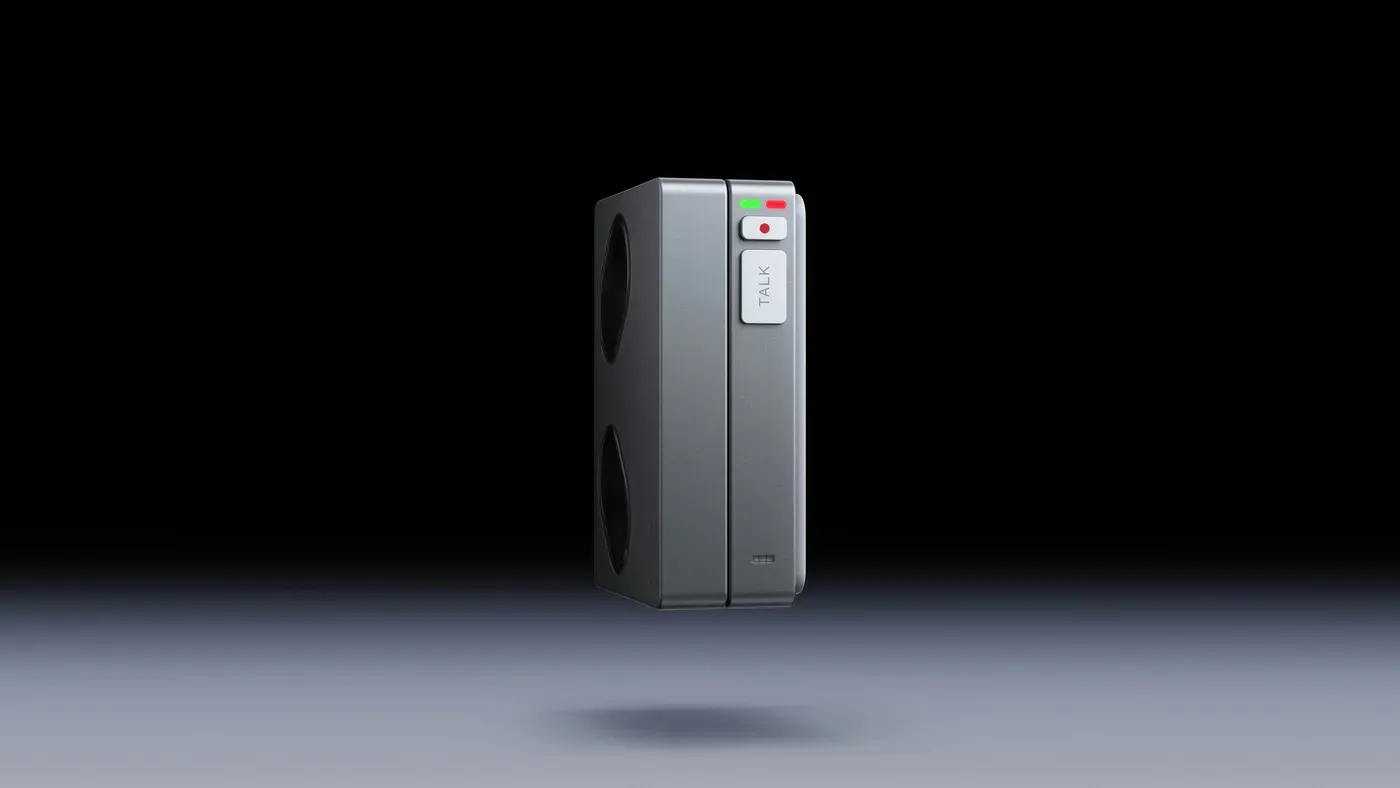
Nothing Technology has announced a new pair of wireless earbuds that break away from its typical retro-inspired designs. The Ear Note earbuds will be available starting December 8, as confirmed by the company on social media platform X.
The primary focus of the Ear Note earbuds is to maximize recording functionality, which sets them apart from other AI-powered earbuds already on the market. One key feature of these earbuds is their ability to record both phone calls and in-person conversations.
In addition to recording phone calls, the Ear Note earbuds can also capture audio from in-person conversations using a microphone built into the charging case. To address concerns about privacy, the case only records audio when a physical button is pressed, providing a clear indication that recording has begun.
The Ear Note earbuds are designed to work seamlessly with multiple popular AI agents, although the company has not yet released the full list of compatible software. A dedicated app will be used to store recordings from the earbuds and case, creating transcriptions and summaries similar to those generated by other AI apps.
The Ear Note earbuds and charging case are not just about aesthetics, but also represent a significant departure from Nothing's previous products in terms of functionality.
Nothing has built a reputation for blending modern technology with retrofuturistic design sensibilities across its product lineup, which includes smartphones, headphones, speakers, and watches. The blocky Ear Note charging case is a prime example of this approach.
The earbuds are being positioned as a tool that combines the personality and care that define Nothing's products, according to CEO Carl Pei in an X post.
Nothing isn't trying to create AI agents or software itself, but rather see its technology as a potential hardware layer for AI applications, as indicated by Pei in a Bloomberg interview.
As wearable devices become increasingly prevalent, they're also becoming more capable of scanning and interacting with their surroundings.
This has led to a surge in concerns over data collection and recording, particularly when it comes to audio. Many states have laws requiring all-party consent before conversations can be recorded, but how do these rules apply to wearables?
The rise of smart glasses has been met with public distrust, with some people labeling them "pervert glasses" due to concerns that they obscure the fact that someone is recording their surroundings.
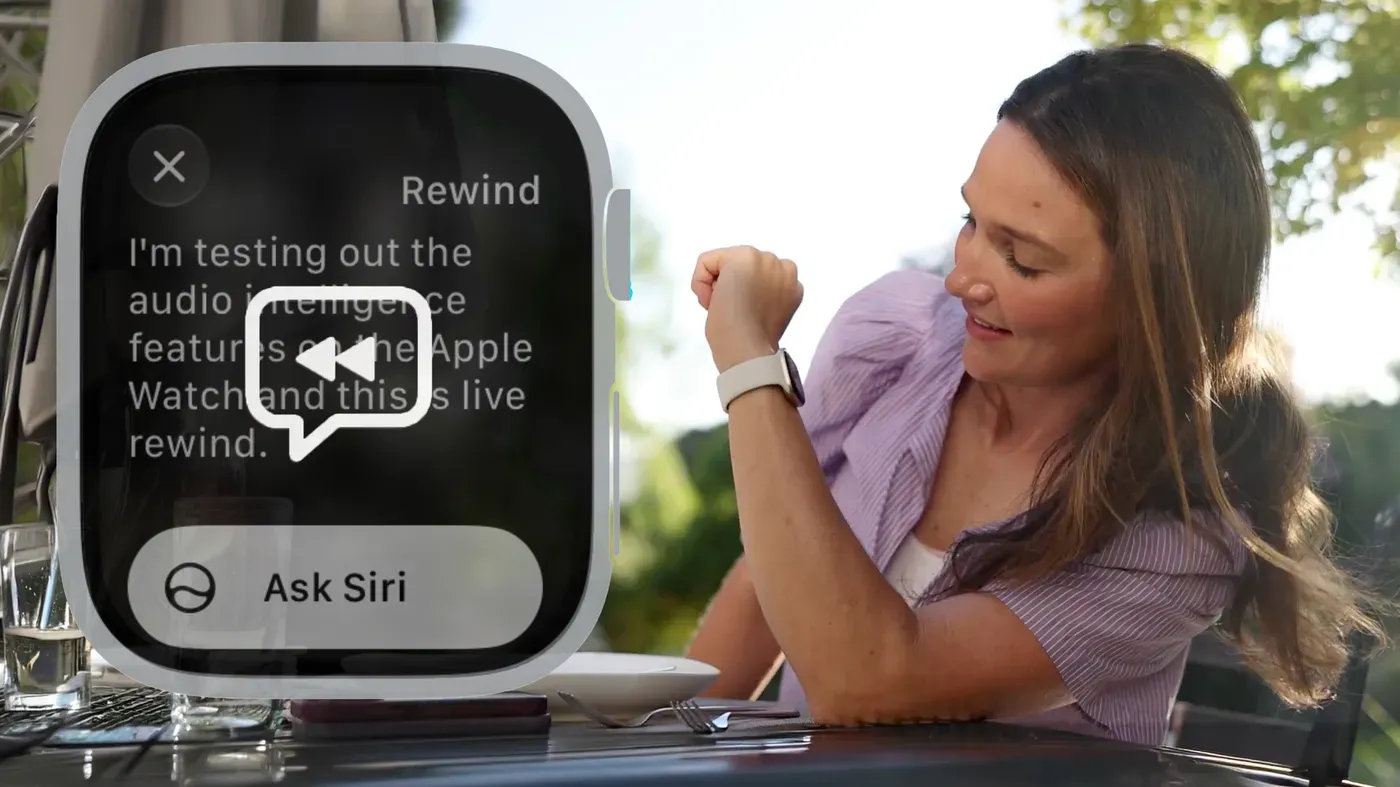
Audio recording on devices like Apple's latest smartwatches and the Amazon Bee earbuds also raises questions about consent.
The Nothing Ear Note earbuds' ability to record every conversation makes them a potential hub for sensitive information. This raises concerns about the security measures in place to prevent private chats from being leaked. The company will need to address these risks and ensure that users' conversations remain confidential.
Nothing Technology is taking steps to mitigate these concerns, having established a data and security team during the Ear Note's development. According to reports, the company has also obtained privacy certifications comparable to those of competing recording products. Additionally, Nothing worked with law firms to assess potential risks and implement safeguards to protect users' conversations.
The Ear Note's design team was mindful of these challenges, with Pei describing wearables with recording functionality as a sensitive space. The earbuds are controlled by user commands, including tactile button presses that initiate the recording process. By taking these precautions, Nothing aims to reassure users about the security and confidentiality of their conversations.
Facts based on reporting originally published by CNET.
You may republish this story, in full or in part, if you credit News Central Site and link to it (licence CC BY 4.0). Photos are not included.