US Defense Department Criticizes Canada's Military Spending and NATO Commitments
Canada is failing to make necessary decisions to modernize its military and meet its NATO commitments.
The US Defense Department has delivered a scathing critique of Canada's military spending and its decision to review the purchase of American-made F-35 fighter jets, accusing Ottawa of falling short as a reliable partner in defending North America.
According to an unusually blunt fact sheet released by the Pentagon, Canada is failing to make the necessary decisions to modernize its military and meet its NATO commitments. The document states that "Canada's defense shortfalls speak for themselves" and urges Ottawa to get serious about upgrading its military capabilities.
The criticism comes as relations between the two countries have been strained due to a range of issues, including President Donald Trump's trade war with Canada and his threat to make it the 51st state. The rebuke is also seen as a response to Canada's decision to review its purchase of F-35 fighter jets, which are made in the US.
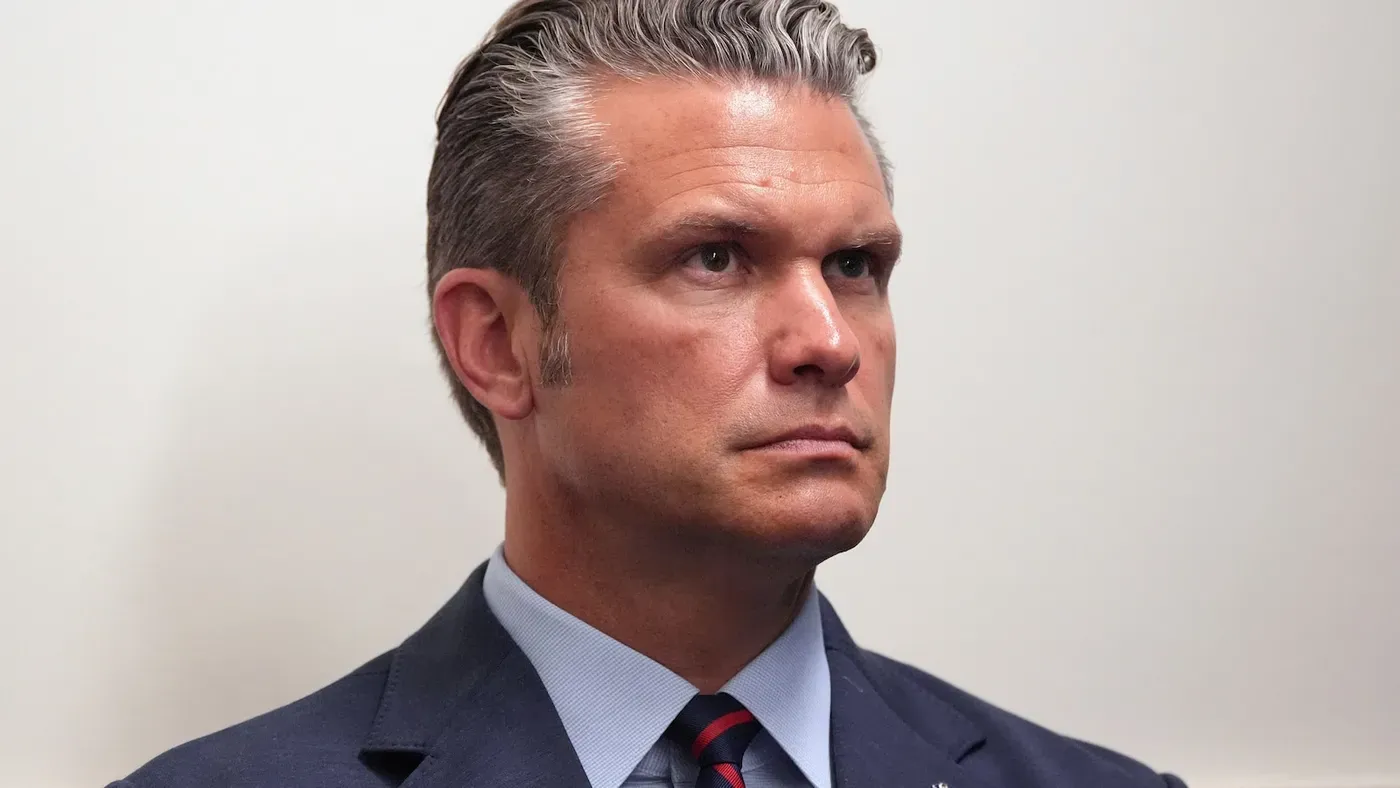
The sharp words from the Pentagon follow a directive from Defense Secretary Pete Hegseth that has restricted officials' participation in Canadian think tank events and social engagements, according to Republican Sen. Mike Rounds.
The Pentagon has expressed growing frustration with Canada's defense spending, citing a lack of credible progress in meeting its commitments.
At the Halifax International Security Forum, Canadian Prime Minister Stephen Harper's former adviser Peter Van Praagh delivered a stark warning that the US can no longer be relied upon as a predictable leader of the democratic world.
A fact sheet from the Pentagon highlights the extent to which Canada relies on American taxpayers for its defense, with only 41.9% of its air force fleet serviceable in the 2025-26 fiscal year and just 53.9% of its naval fleet operational.
This underinvestment has left the Canadian Armed Forces weakened, limiting their ability to contribute to North America's defense, according to a statement that emphasizes Secretary Hegseth's focus on modernizing Canada's military capabilities after decades of American support.
The Pentagon has expressed strong disapproval over Ottawa's handling of its military affairs, specifically regarding the planned purchase of F-35 fighter jets from the United States.
A mixed fleet of fighters could exacerbate existing personnel shortages, the Pentagon warned, citing concerns that such a setup would compromise the effectiveness of North America's defense system, which is jointly operated by Canada and the US through NORAD. Ottawa's review of the F-35 purchase has been deemed inadequate, with some accusing Canadian leaders of prioritizing domestic economic interests over military capabilities.
The decision to put the F-35 purchase under review was made in response to President Trump's trade threats against Canada, which included tariffs on Canadian goods. As a result, Ottawa is now exploring alternative options, such as the Swedish-made Gripen fighter jet, which could potentially bring manufacturing jobs to Canada.
Canada has acknowledged its readiness problems, with Prime Minister Mark Carney stating that only one of the country's four submarines was seaworthy. To address this issue, Ottawa has chosen Germany's Thyssenkrupp Marine Systems as the preferred supplier for up to 12 new submarine replacements, pending contract negotiations.
Canada's defense spending has been a topic of discussion in recent years, with the country having reached NATO's previous target of allocating 2% of its gross domestic product towards defense. However, core defense spending remains relatively low at 2.6%, while combined defense and security spending is projected to reach 4.1% by the 2027-28 fiscal year.
Canada's decision to delay the largest increases in defense spending until after the 2029 federal election has been sharply criticized by the Pentagon. According to Pentagon officials, this move will hinder Canada's ability to meet NATO's new target for combined defense and security spending.
Despite the criticism, other NATO allies are also struggling to meet the new target, with some countries making significant efforts to increase their military capabilities. Germany's military buildup has been praised as a "tectonic shift by Colby, while Poland is being hailed as a true model ally". Romania's plan to reach 5% of GDP in defense spending by 2031 is also seen as a positive step forward.
Facts based on reporting originally published by ABC News International.
You may republish this story, in full or in part, if you credit News Central Site and link to it (licence CC BY 4.0). Photos are not included.