Amazon Alexa Sales Reach Over 600 Million Worldwide Devices
A staggering number of Amazon Alexa-enabled devices have been purchased worldwide since its initial release, raising concerns about user privacy due to the presence of microphones that can capture and record audio.
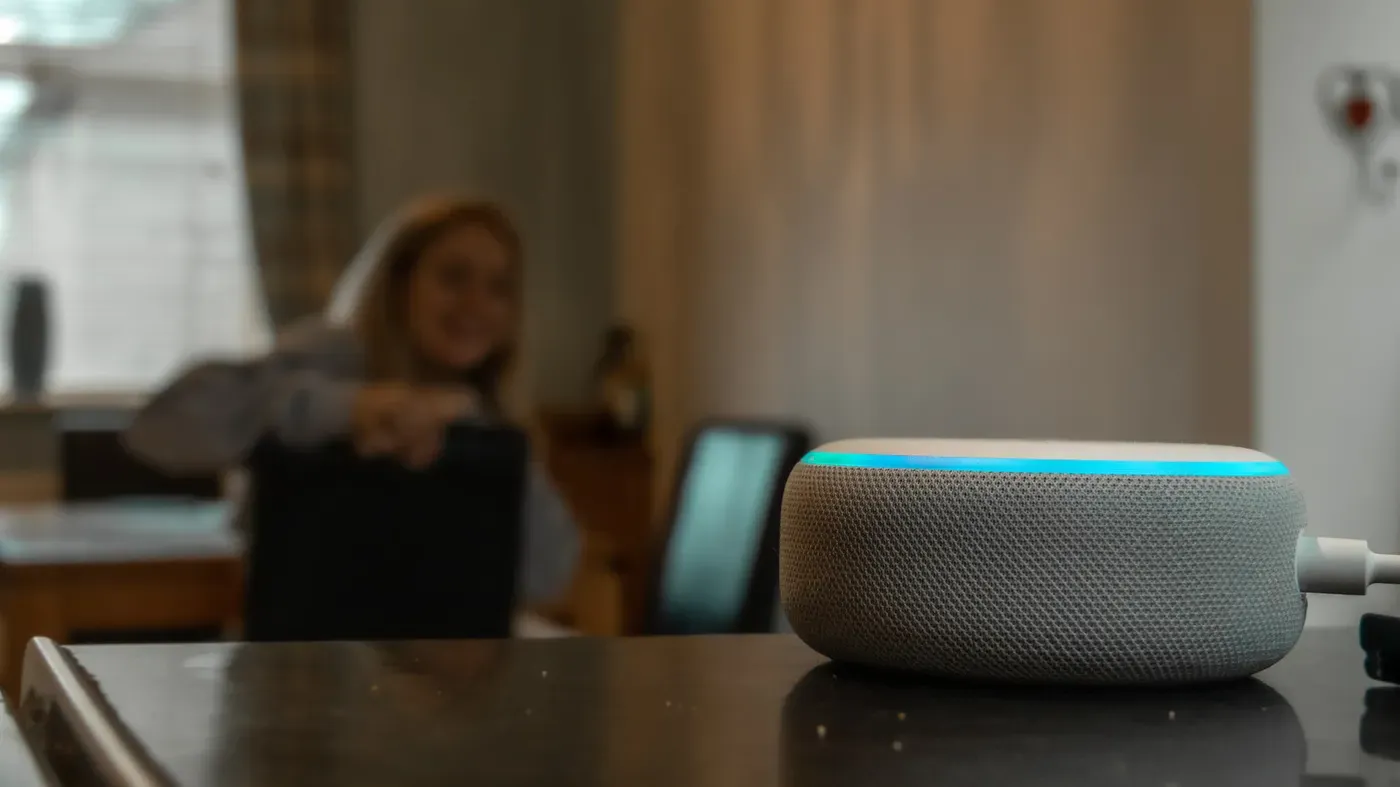
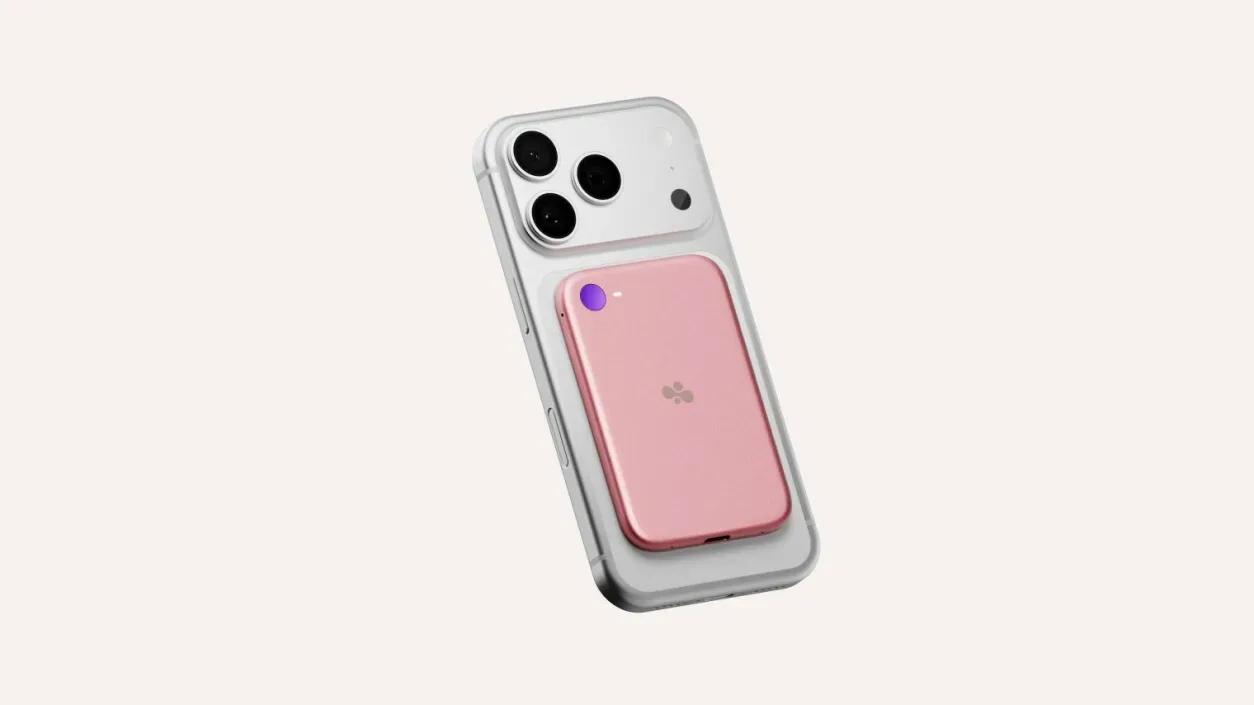
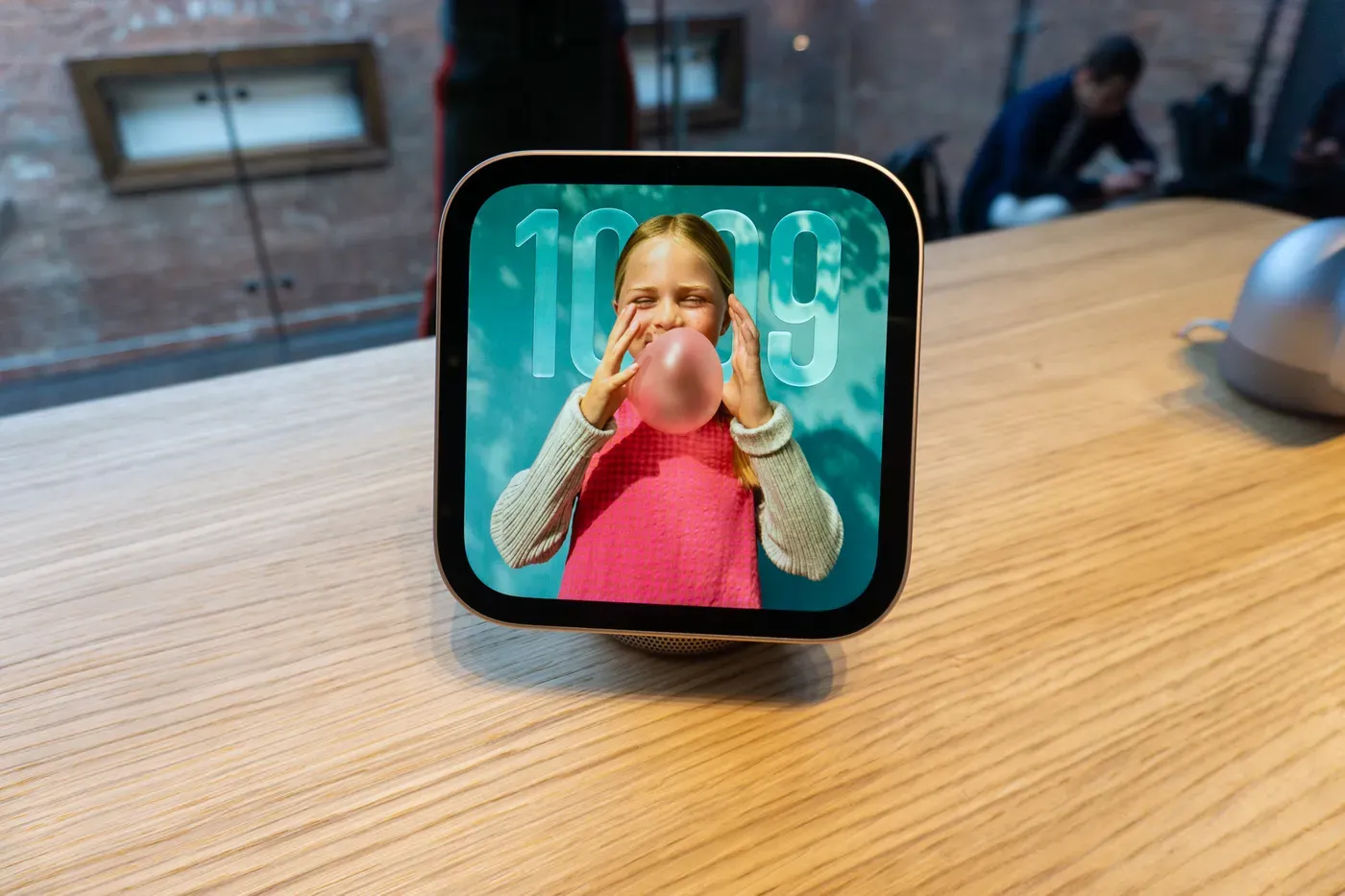
Over 600 million Amazon Alexa-enabled devices have been purchased worldwide since its initial release, making it a ubiquitous presence in many households. This staggering figure has raised concerns about user privacy, as these devices are equipped with microphones that can capture and record audio. The widespread adoption of Alexa is only expected to increase, with Amazon announcing new products, including tablets, that integrate the virtual assistant.
The idea of placing a microphone-centric device in one's home may evoke images of Big Brother-esque surveillance, especially when considering how easily an entire Alexa ecosystem can be set up to control various devices. The integration of Alexa with other smart devices is further complicated by the rollout of Alexa+, which aims to expand its real-world applications. However, this has sparked questions about whether Alexa truly listens in on everything users say.
Amazon claims that Alexa does not listen verbatim to every word spoken around it. Instead, it detects "acoustic patterns that match its wake word, essentially listening for specific sound cues rather than actual conversations. This process is akin to wearing earplugs during a conversation, one can recognize certain phrases or names being mentioned without hearing the exact words.
The distinction between passive and active listening is crucial in understanding how Alexa operates. In its passive mode, Alexa only recognizes its wake word, switching to active listening and recording audio or sending it to the cloud once it has identified the specific sound pattern. This allows the device to respond to user requests while minimizing unnecessary data collection.
Amazon's stance on Alexa's listening capabilities may alleviate some concerns about user privacy, but the issue remains contentious. The sheer number of devices equipped with microphones raises questions about how much audio data is being collected and stored, even if it is not always actively listened to.
The proliferation of smart speakers like Alexa has led to a growing debate about the balance between convenience and personal data security. As more households integrate these devices into their daily lives, concerns about eavesdropping and surveillance will continue to be raised, with implications for user trust in technology.
Amazon has struck a balance between user convenience and privacy concerns when it comes to its Alexa devices. The devices are always listening in some capacity because they need to be able to respond to voice commands. However, this does not mean that the devices are constantly recording and saving audio.
In an effort to alleviate users' concerns about eavesdropping, Amazon has designed its devices to record as little audio as possible. They only save direct conversations with the device, which can provide some reassurance for those worried about their privacy.
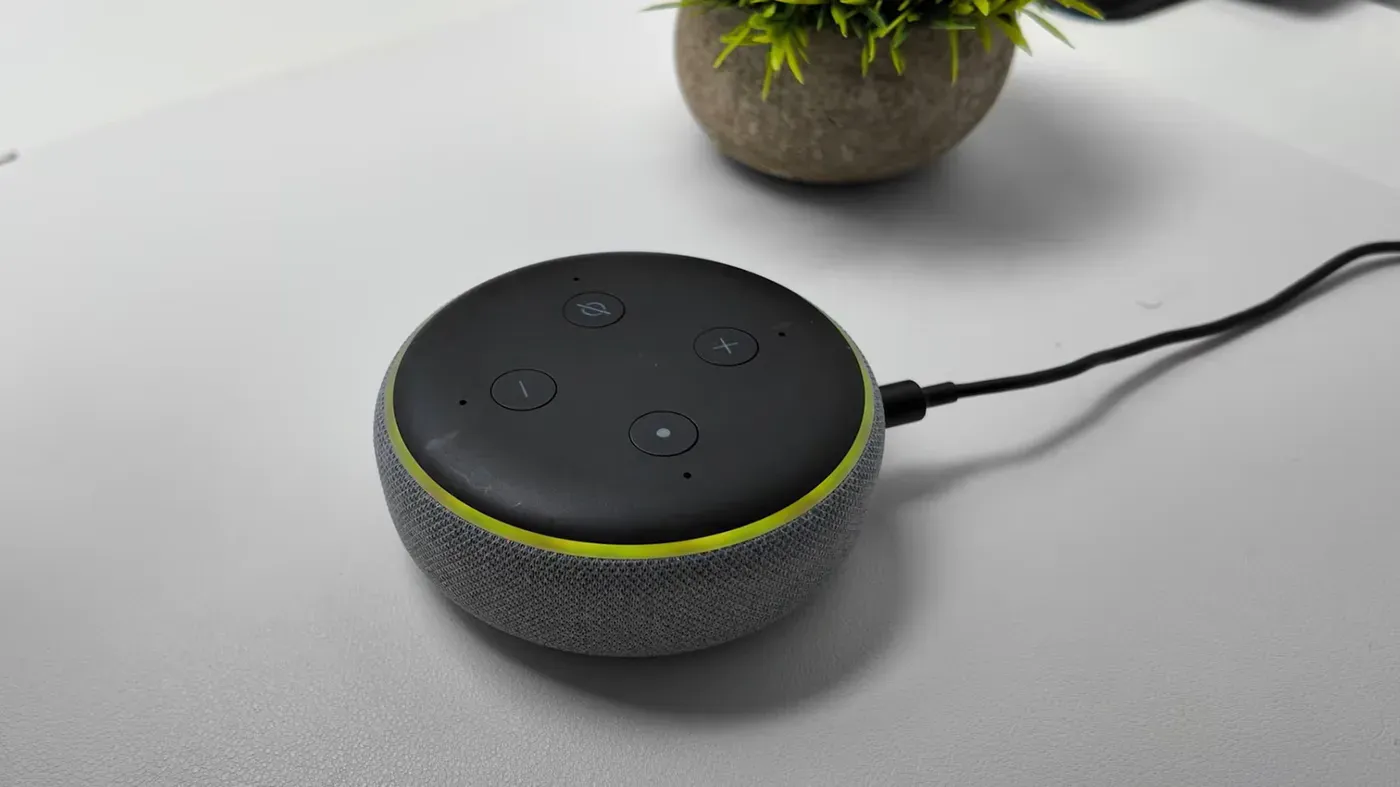
One simple way to eliminate any eavesdropping concerns is to mute your Alexa device's microphone. This can be done by pressing a button located on top of many Echo devices, which resembles a microphone with a slash through it. Once pressed, the microphone will be muted and a red light will appear on the device.
By muting the microphone, users can take control of their privacy and only activate the recording function when they need to use Alexa. This may not be the most convenient solution, but it provides an easy fix for those who are concerned about eavesdropping.
To minimize eavesdropping concerns, users can adjust their recording settings on Amazon Alexa devices. This involves navigating through the Alexa Privacy menu to modify voice recording and transcript retention periods.
By selecting Voice Recordings and Transcripts from the Alexa Privacy menu, users are presented with four options for retaining or deleting voice data. These choices include saving recordings for three or 18 months, retaining them until manually deleted, or not storing them at all.
Additionally, users can control how other data is saved on their devices, such as smart home device and detected sounds histories. Some Alexa-enabled devices also offer the option to toggle deletion by voice commands, allowing users to say phrases like delete everything I said today" or "delete my entire voice history."
However, it's essential to note that these settings only apply to Amazon's cloud storage and do not extend to third-party devices used with Alexa. Even after deleting recordings on the Amazon side, other companies may still retain access to user histories.
Ultimately, users should weigh the trade-offs between convenience and data protection when deciding how to manage their voice recordings on Amazon Alexa devices.
Facts based on reporting originally published by Engadget.
You may republish this story, in full or in part, if you credit News Central Site and link to it (licence CC BY 4.0). Photos are not included.