Pope Leo XIV Concludes Visit to Uruguay After Observing Feast Day
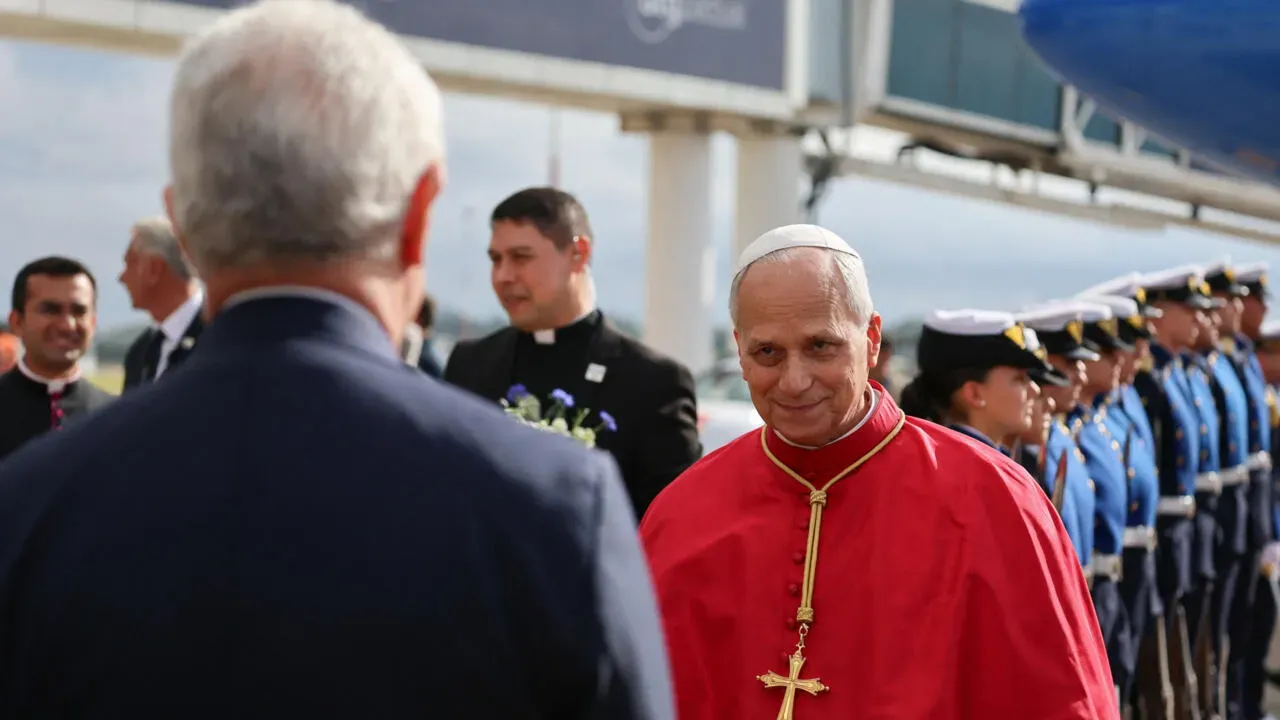
The Pope marked the Feast of the Virgin of the Thirty-three, a day tied to Uruguay's independence celebrations, before ending his visit to the country.
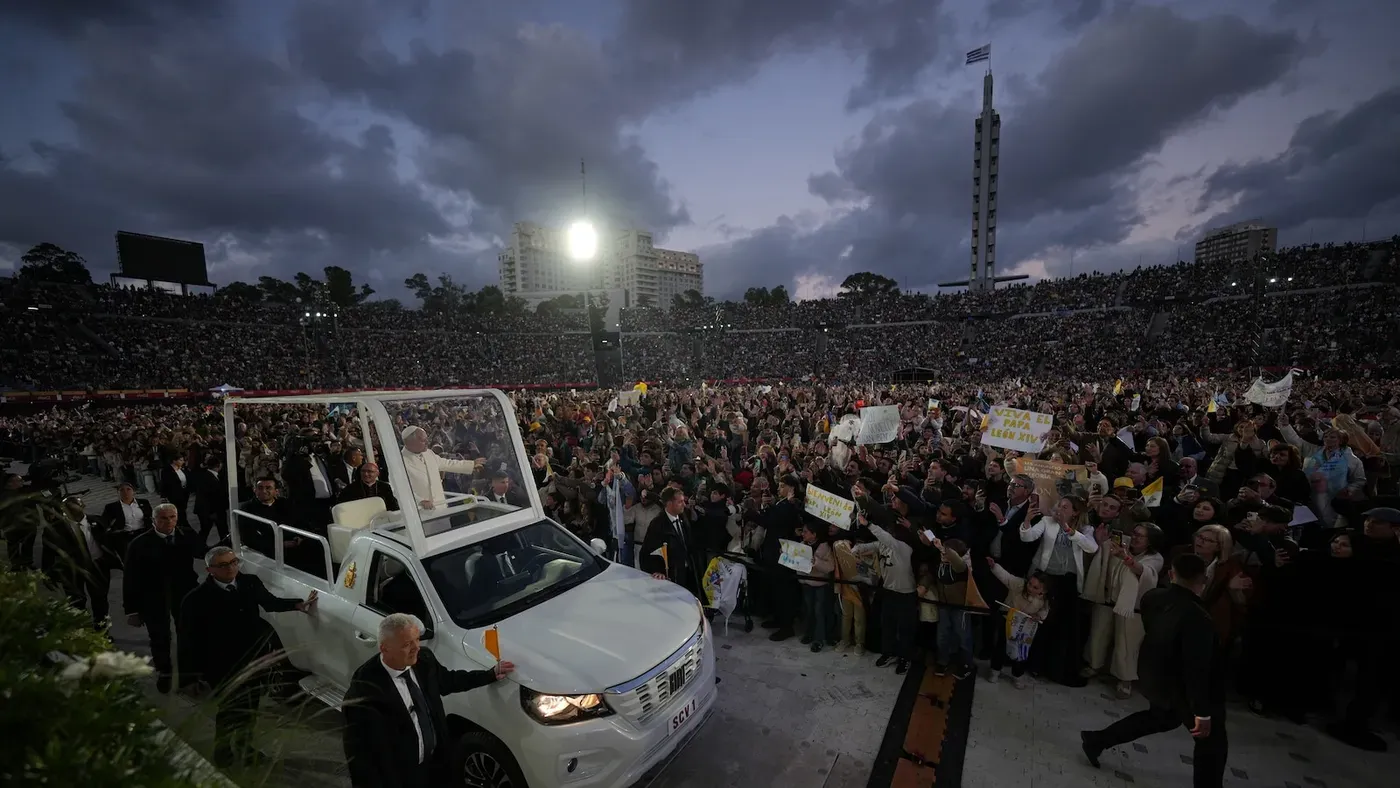
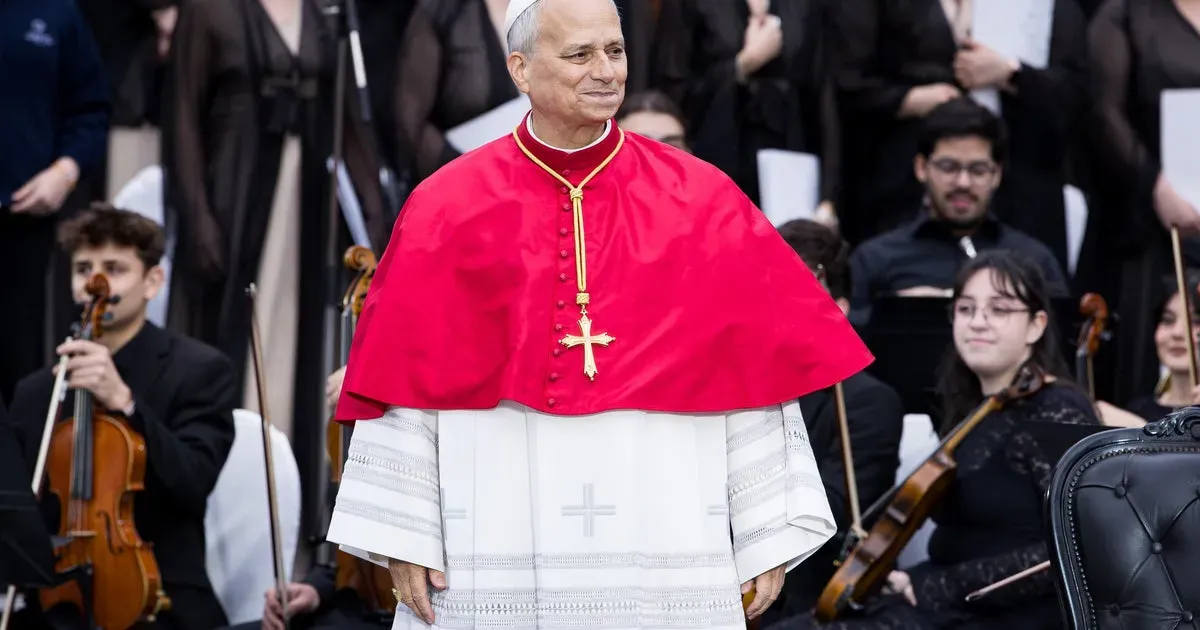
Pope Leo XIV has concluded his visit to Uruguay by observing a significant Catholic feast day closely tied to the country's independence celebrations.
The Pope traveled to Florida, located north of Montevideo, before embarking on the next leg of his South American tour in Argentina, which is expected to be the most contentious.
In Uruguay, the Pope marked the Feast of the Virgin of the Thirty-three, a day when thousands of pilgrims typically gather to venerate a small wooden icon of the Virgin Mary.
The statue in question is said to have been acquired by 33 independence patriots who carried it with them when they declared Uruguay's separation from the Brazilian empire on August 25, 1825.
This event holds particular significance for Uruguay as it underscores the country's Catholic heritage and its role in shaping the nation's identity.
The Pope's visit to Uruguay has come to an end, marking a significant milestone in his South American tour. Despite undergoing surgery just last week to remove a cancerous tumor from his lung, the 71-year-old leader has shown remarkable resilience and energy throughout his events.
His high spirits have been evident in his interactions with crowds, as he enthusiastically sings, ascends stairs with ease, and greets well-wishers from the comfort of his popemobile. Notably, none of these events have had to be cut short, including late-night gatherings that have pushed past midnight Rome time.
The visit has also served to reinforce the Pope's image as a leader who commands respect and offers valuable perspectives on complex issues. According to Luis Bahamondes, a professor at the Center for Judaic Studies at the University of Chile, this aspect of his persona is multifaceted, extending far beyond spiritual leadership to encompass broader political and social roles.
As the Pope prepares to travel to Argentina, his next destination, he will be meeting with President Javier Milei at the Buenos Aires airport. This encounter may prove tense, given Milei's austerity measures that have led to significant cuts in social spending and his embrace of artificial intelligence.
The Argentine church leaders have expressed their disapproval of Milei's economic policies, criticizing him for prioritizing orthodoxy over the needs of the poor. The Pope's meeting with Milei is likely to be a closely watched event, given the sensitive nature of these issues and the potential implications for Argentina's social and economic landscape.
Argentina's economic woes have been exacerbated by drastic cuts to public spending, including a significant reduction in healthcare funding. Since taking office in December 2023, President Javier Milei has implemented severe austerity measures, slashing the health care budget by nearly half in real terms.
The government has defended these cuts as essential for revitalizing Argentina's struggling economy and rooting out corruption within the federal bureaucracy. This approach echoes that of some international leaders who have also prioritized economic reform over social welfare programs.
According to official statistics, a staggering 32.3% of Argentina's population lives in poverty, representing approximately 15 million people. The economic burden is particularly acute during the first half of 2026, highlighting the urgency of finding solutions to mitigate the effects of these cuts.
The Argentine government has also made overtures to the artificial intelligence industry, offering incentives such as limited regulation and promises of favorable investment conditions. This approach has raised concerns among critics who warn about the potential risks and consequences of unchecked AI development.
Leo's warnings about the dangers of an unregulated AI race have resonated with many observers, who advocate for strict safeguards on its development to prevent harm to both humanity and the environment. The Pope's stance is particularly noteworthy given his predecessor's close ties to Argentina and his own experiences as a Jesuit priest in the country.
The Pope's visit to Uruguay has come to an end, but his tour is far from over. His next destination is Argentina, a country where he once served as a priest in Buenos Aires.
As a Jesuit priest in Argentina, the Pope was known for advocating on behalf of the poor and marginalized, often taking a strong stance against social injustices. This legacy has left a lasting impact on his current role as leader of the Catholic Church, with many expecting him to continue pushing for social reform during his visit to Argentina.
The tension surrounding the Pope's visit is expected to be palpable in Argentina, particularly given the country's current economic struggles and social spending cuts implemented by President Javier Milei.
Facts based on reporting originally published by ABC News International.
You may republish this story, in full or in part, if you credit News Central Site and link to it (licence CC BY 4.0). Photos are not included.