Germanic Chieftains' Graves Discovered in Northeastern France
Archaeologists have uncovered the graves of two high-ranking Germanic leaders near Colmar, France, alongside the remains of their warhorses.
Archaeologists in northeastern France have made a significant discovery that is shedding new light on the lives of Germanic chieftains who lived during the tumultuous period following the fall of the Roman Empire.
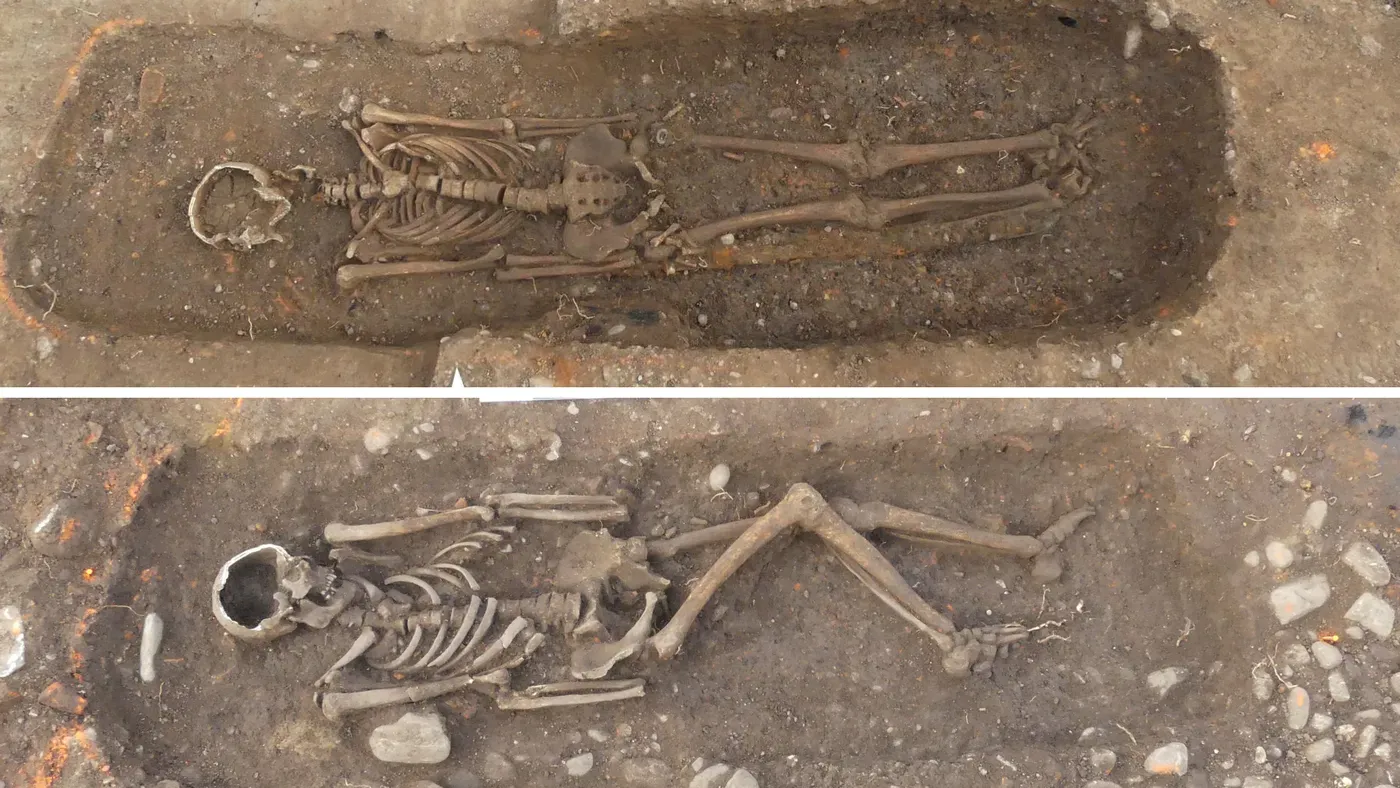
The excavation site, located near the city of Colmar and just a few miles from the Rhine River, which forms the border between France and Germany, has uncovered a small cemetery containing the graves of two high-ranking Germanic leaders. Alongside these burials are the remains of two warhorses, indicating that their owners were likely members of a powerful elite.
The region had previously been home to a Gallo-Roman village from the first to the third centuries, and archaeologists have found evidence of ancient houses, hearths, wells, and craft areas in the area. This suggests that the site was an important settlement during this time period.
This discovery is significant because it provides a unique glimpse into the lives of Germanic chieftains who played a crucial role in shaping Western Europe's history after the collapse of the Roman Empire. The transitional period from 450 to 500 AD was marked by repeated occupation of Rome by Germanic tribes such as the Goths and Vandals, which has long been debated among scholars.
Archaeologists excavating a site in France have unearthed a remarkable collection of burials from the fifth century AD, shedding new light on the lives and customs of Germanic tribes during this period. The discovery includes 11 adult graves, three child graves, and two horse burials, all dating back to around 450-500 AD.
Among the female burials, archaeologists found intriguing grave goods that suggest these individuals may have held high social status. Two women were buried with silver bird-shaped brooches, glass bead necklaces, and a bone comb, which would have been valuable and decorative items in their time.
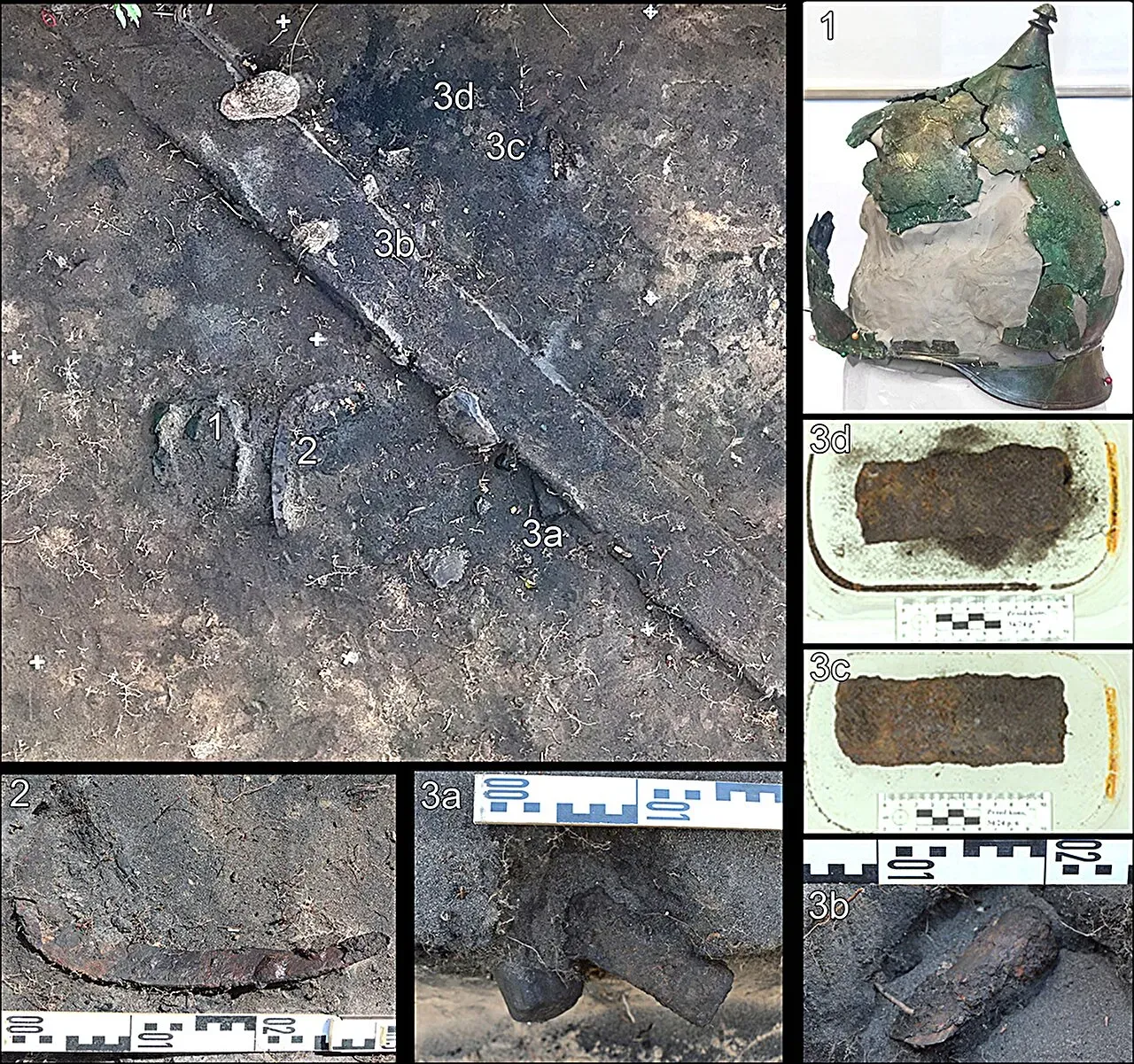
The male burials were particularly notable for their impressive collection of weapons and armor, including swords, shields, javelins, and short swords known as scramasaxes. Some of these artifacts featured intricate decorations made from gold and garnet, indicating a high level of craftsmanship and wealth.
Two individuals discovered in the fifth-century burials were found to have suffered from stab wounds that showed no signs of healing, suggesting a quick and violent death.
The analysis revealed that one man's right knee bones had fused together, rendering it immobile due to an improperly healed injury, a condition known as ankylosis. This suggests that the warriors' grave goods may not have been mere decorations but instead functional items used in actual battles.
These findings are significant given the rarity of Germanic settlements and cemeteries from this period, which can provide valuable insights into the upheavals surrounding the fall of the Western Roman Empire and its impact on communities along its periphery.
Facts based on reporting originally published by Live Science.
You may republish this story, in full or in part, if you credit News Central Site and link to it (licence CC BY 4.0). Photos are not included.