Winter Preparations Were Crucial for Americans in 1926
The harsh winter conditions in 1926 made it essential for people to prepare ahead of time with stockpiled food and household supplies.
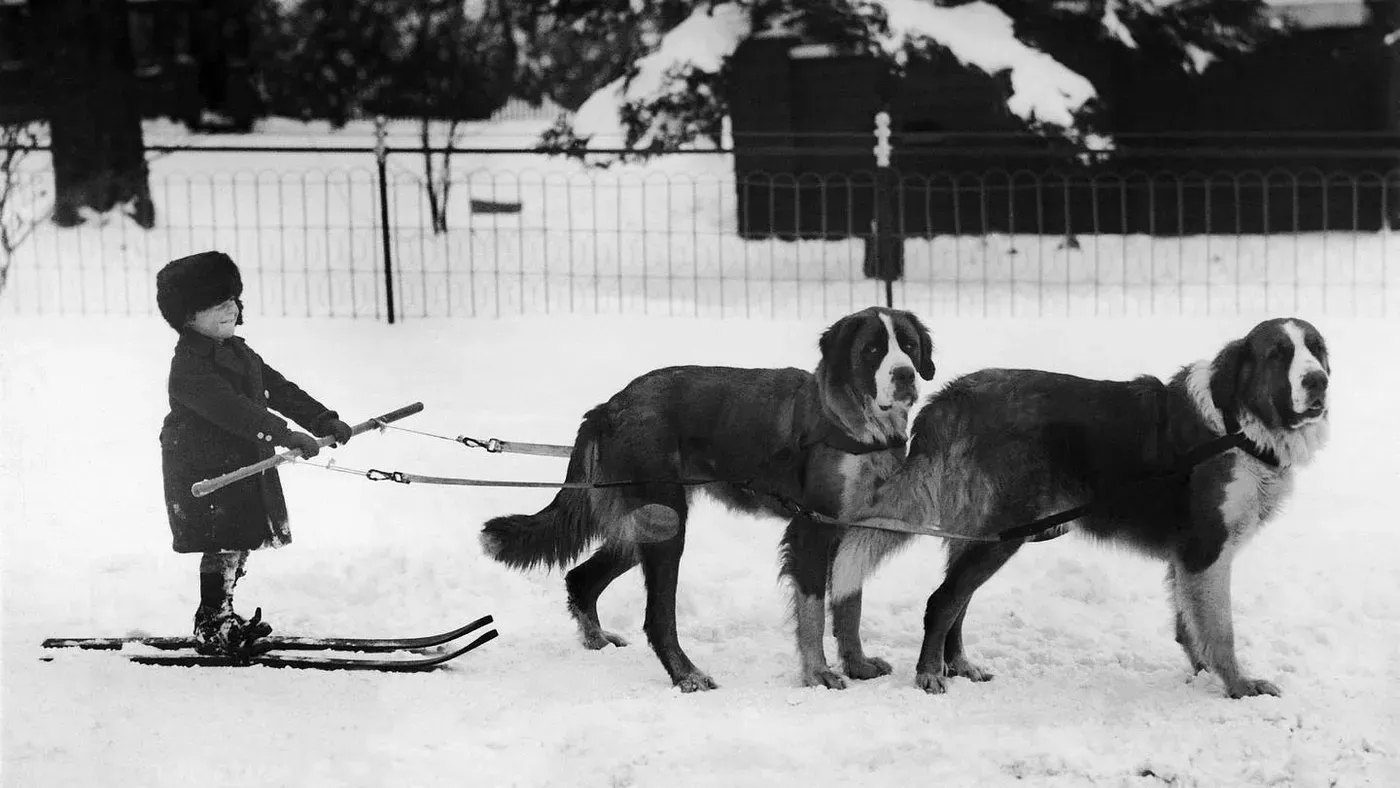
Life in America 100 years ago may seem like a distant memory, but it was actually just over a century ago, in 1926. This was the height of the Roaring '20s, a time marked by modern conveniences such as automobiles and electricity.
However, despite these advancements, not everyone had access to them, and winter in 1926 remained a harsh and potentially deadly season for those who didn't prepare properly. The era's popular image of flappers and jazz clubs doesn't tell the whole story of daily life during this period.
In addition to managing basic necessities like heating and clothing, people also needed to think ahead about food and household supplies. This was especially true in rural areas where resources were often scarce, but even urban residents had to be mindful of their stores as winter approached.
The preparation process began long before the temperatures dropped, with families carefully planning and stockpiling essential items for the cold months ahead.
Winter preparations were a complex task for Americans in the 1920s, extending far beyond just switching on the heater or pulling out warm clothing.
In homes without central heating, fireplaces and stoves were relied upon to provide warmth, but retaining heat was a challenge due to the lack of insulation. Walls were often porous, allowing cold air to seep in and making it difficult to keep the house warm.
To combat this, people would seal any cracks or holes in the walls with mud or spare cloths before winter set in. This was a crucial step in keeping as much heat inside the house as possible.
In addition to addressing the heating needs of their homes, families also had to plan for food and household supplies during the cold months. This involved stockpiling essential items, such as canned goods and coal, to ensure they could weather the winter without running out of necessities.
Farmers and city-dwellers alike performed this pre-winter ritual, making it a universal practice among Americans in the 1920s.
Large stacks of firewood were a common sight against the outer walls of homes in the 1920s, appearing at or just before harvest time. This was because families knew that wood would be essential for warmth and heating throughout the winter months.
As the winter dragged on, wood became increasingly precious, with people doing everything they could to ensure their supply lasted until spring. Stockpiling firewood was a must, especially in areas where access to alternative heating sources was limited.
The invention of motorized snowplows in the 1920s revolutionized road clearing for automobiles. These machines enabled authorities to clear roads more efficiently, reducing the likelihood of being completely cut off by snow.
While government-run plows focused on main thoroughfares, some individuals opted to purchase car-mounted snowplows for personal use. This was particularly useful for those living in rural areas or on back streets that often went unplowed.
With these technological advancements and preparations in place, Americans were better equipped to face the challenges of winter 100 years ago.
Daily radiator maintenance was essential for cars back then, as antifreeze hadn't been invented yet. This meant draining all liquid from the radiator every day to prevent it from freezing and cracking. Some owners used baking soda to absorb moisture inside the car's cab.
Cars were a significant investment, so many people chose not to risk damaging them by driving in winter conditions. Instead, they would put their vehicles on blocks and store them for the season, saving themselves the daily chores of radiator maintenance.
Food delivery was another area severely impacted by snow. Inclement weather could delay shipments to stores, leaving customers without access to fresh produce. To mitigate this risk, households stockpiled canned goods in case of shortages.
Canning food at home became a common practice during winter months. Families used mason jars to preserve fruits and vegetables, while others salted and cured meats to keep them edible throughout the season. These preservation methods allowed families to have some control over their food supply.
In addition to canning and preserving, households also developed creative ways to make use of fresh ingredients. Root cellars were built beneath homes to store root vegetables like carrots and potatoes, keeping them cool and fresh for longer periods.
To keep food from spoiling during winter, people used ice harvested from frozen rivers and lakes to cool their makeshift fridges. These improvised refrigerators were essentially converted closets or storage spaces away from any heat source, utilizing the cold air to preserve perishables.
The drafty nature of homes in the 1920s proved beneficial for this purpose, as it allowed for a natural cooling effect that would have been impossible with modern insulation. Families would often use ice harvested from frozen water sources to maintain an even lower temperature inside these makeshift fridges.
In addition to preserving food, people also took precautions to keep themselves warm during the harsh winter months. Clothing was a crucial factor in this effort, as thick layers made from wool, flannel, or fur were essential for warding off the biting cold.
The importance of keeping warm clothes and bedding readily available cannot be overstated. Without a reliable source of heat, families would often rely on these layers to stay warm throughout the night, especially since fires would frequently die out by morning.
As people waited for their fires to be rekindled, they relied on the warmth retained in their clothing and bedding to keep them from freezing. This made thick, insulating materials like wool and flannel invaluable during this time of year.
To conserve body heat during winter 100 years ago, thermal underwear was a staple in many people's wardrobes. This type of long underwear helped to prevent warmth from escaping and kept individuals cozy throughout the cold months.
Women also adapted their fashion choices for the season, opting for fur coats that were slim-fitted despite being thick, as well as velvet dresses instead of the shorter, more sequined styles popular in the summer. These choices reflected a desire to stay fashionable while still prioritizing warmth during the harsh winter weather.
Facts based on reporting originally published by Mental Floss.
You may republish this story, in full or in part, if you credit News Central Site and link to it (licence CC BY 4.0). Photos are not included.