Dentists Recommend Flossing Before Brushing Teeth for Optimal Oral Hygiene
Flossing before brushing teeth is recommended by dentists to remove food particles and plaque from between teeth.
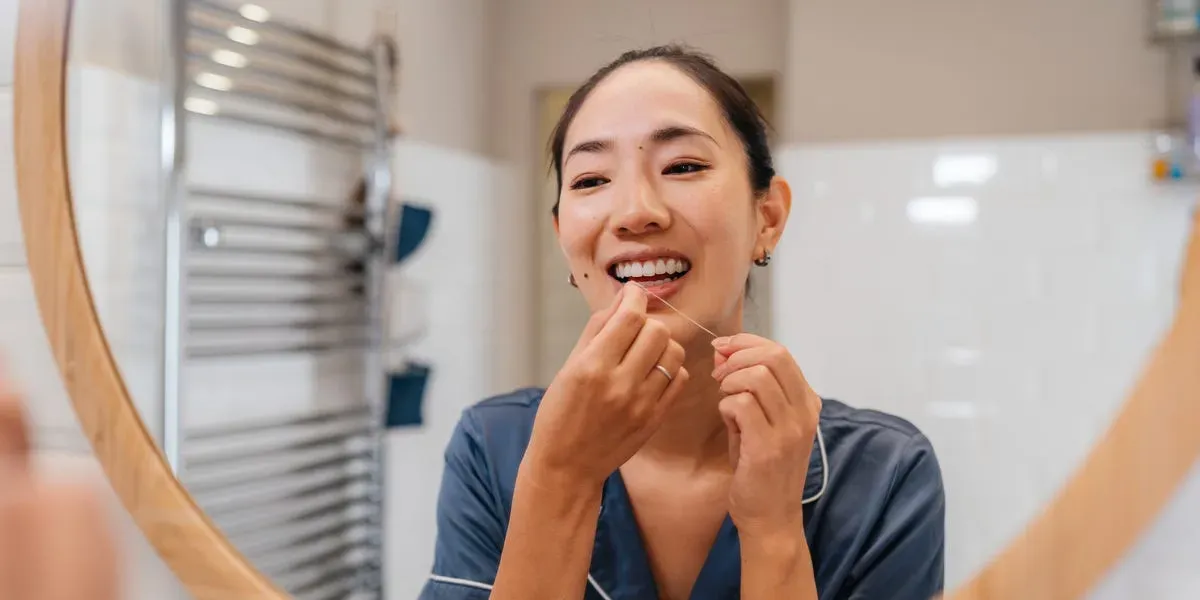
Good oral hygiene is crucial for overall health beyond just preventing bad breath and cavities.
While many people know that flossing and brushing are essential dental habits, there's a question about the order in which to perform these tasks.
According to dentists, there is indeed a right way to sequence flossing and brushing teeth.
Dentists emphasize that good oral hygiene has far-reaching benefits beyond just avoiding dental problems. Research suggests that people who take care of their teeth and gums are at lower risk of developing cardiovascular disease, have better control over diabetes, and enjoy improved cognitive health as they age, says Steven J., a dentist.
Flossing involves inserting a thin tool - usually a specialized string - between teeth to dislodge any debris that should not be there.
Flossing first may seem counterintuitive when teeth are still dirty, but experts recommend this approach for optimal oral hygiene.
Removing food particles and plaque from between teeth is crucial, as a toothbrush cannot reach these areas on its own, according to Dr. Katz. This initial cleaning step reduces the risk of cavities and gum disease by clearing out spaces where bacteria can accumulate. By doing so, it also allows fluoride in toothpaste to penetrate more surfaces of the teeth.
The timing of flossing is also important; experts suggest incorporating this habit into a daily routine. For many people, the best time to floss is at night before brushing and right before bed, making it easier to stick to a consistent schedule.
Flossing is a crucial step in maintaining good oral hygiene, and doing it before brushing can be particularly effective. This approach allows for the removal of loose particles and plaque from between teeth and below the gumline, creating a clean slate for brushing.
Using traditional string floss is recommended by dentists as the most effective way to scrape away plaque from beneath the gumline. However, alternatives such as floss picks and water flossers are also available, making oral hygiene more accessible for people with dexterity challenges or those who wear braces. Consistent brushing and flossing habits, combined with regular dental visits, are key to maintaining strong oral health and preventing complex dental procedures.
Facts based on reporting originally published by Good Housekeeping.
You may republish this story, in full or in part, if you credit News Central Site and link to it (licence CC BY 4.0). Photos are not included.