Wind Turbines Responsible for 19 Million Bat Deaths in US Over Four Decades
A recent study has found that approximately five million bats are killed by wind turbines each year, with a staggering 7 million fatalities attributed to these green energy sources between 1981 and 2024.
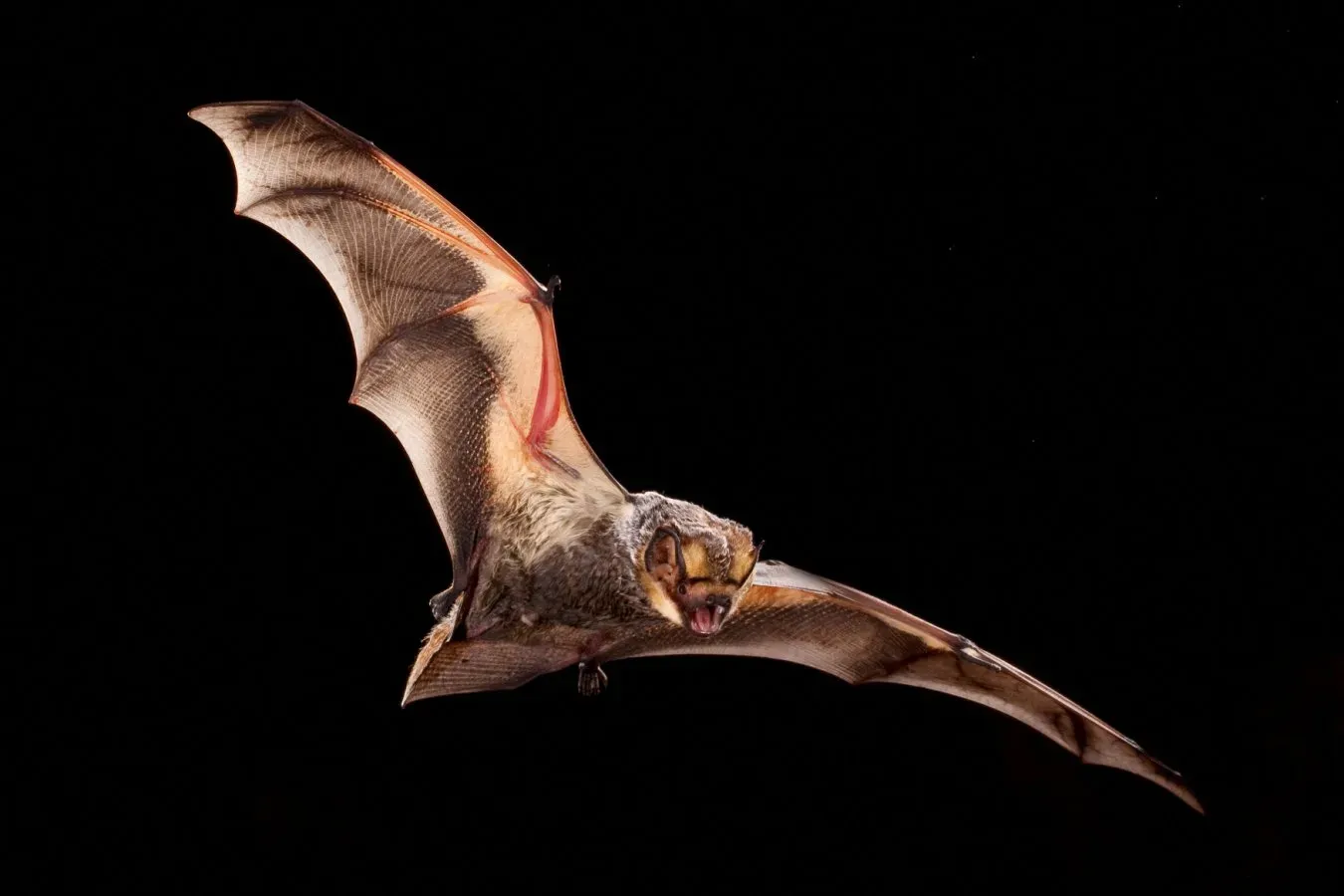
A staggering 19 million bats have been killed by wind turbines in the US over the past four decades, according to a comprehensive analysis of bat fatalities caused by these green energy sources.
The majority of these deaths were attributed to hoary bats, one of the ten species studied by researchers. Each year, approximately five million bats are now falling victim to wind turbine blades.
Bats play a crucial role in maintaining ecosystem balance, particularly when it comes to controlling insect populations that can wreak havoc on crops. This includes mosquitoes and moths whose caterpillars can devastate agricultural yields.
The loss of these valuable creatures is compounded by the fact that many bat species are already facing significant threats from habitat destruction, disease, and human activities, with some now classified as threatened or endangered.
Wind turbine-related bat fatalities have been estimated in a recent study that analyzed data from 499 reports across 48 US states. Researchers Bethany Straw and her team used a statistical model to account for variations in monitoring methods and turbine design.
The analysis revealed that between 1981 and 2024, wind turbines were responsible for the deaths of approximately 7 million bats, with 5 million fatalities occurring from 2021 onwards. This increase may be attributed to the growing number of installed turbines.
Turbine characteristics such as blade length and spacing played a significant role in determining bat mortality rates. For instance, turbines near rivers and those with longer blades were linked to higher fatality rates among certain species. Conversely, having more space between the blades and the ground appeared to reduce the risk of bat deaths.
Wind farm developers are being urged to choose locations and adjust turbine designs after a study revealed that wind turbines have killed 19 million bats in the US over the past 40 years.
Research suggests that some species of bats may be more prone to collision with turbines due to differences in their prevalence and behaviors. For example, migratory bats seem to mistake wind turbines for trees, approaching them in search of food or shelter.
By changing when turbines operate, developers can also reduce bat fatalities. Studies have shown that temporarily shutting down turbines during periods of high bat activity, particularly in low winds, can substantially reduce the number of deaths with minimal impact on electricity production.
Facts based on reporting originally published by New Scientist.
You may republish this story, in full or in part, if you credit News Central Site and link to it (licence CC BY 4.0). Photos are not included.