Wildfires release toxic heavy metals into urban air pollution
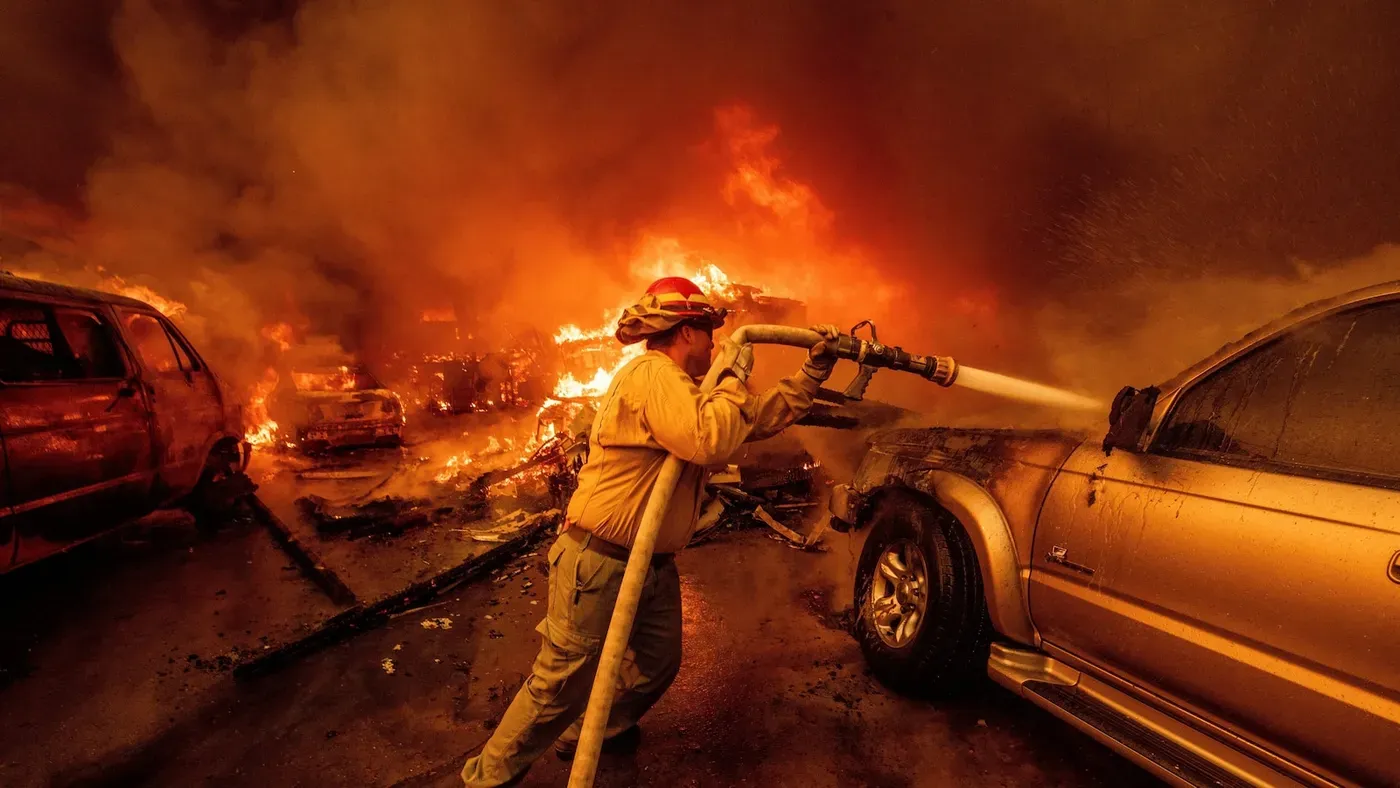
Los Angeles residents faced an unprecedented health crisis during the 2025 fires when toxic heavy metals from smoke polluted the air.
Los Angeles residents faced an unprecedented health crisis during the 2025 fires when toxic heavy metals from smoke polluted the air.
Researchers at the California Institute of Technology analyzed the chemical makeup of smoke from the Eaton Fire and compared it to that of a traditional wildfire. Their findings revealed striking differences in the composition of urban and natural fire plumes, with significant amounts of lead, arsenic, and halogens present in the former.
The study's authors attribute this disparity to the presence of burning vehicles, building materials, and electronics in urban areas, which release toxic chemicals into the air when they burn. This contamination is thought to have a profound impact on air quality and human health during wildfires in cities like Los Angeles.
Airborne lead concentrations surged to alarming levels during the peak of the 2025 fires, exceeding normal background levels by as much as 80 times over a 24-hour period, putting millions of residents at risk.
The chemical composition of wildfire smoke is a crucial aspect that researchers have been trying to understand for some time now. Co-author Haroula Baliaka points out that knowing the differences in smoke composition between urban and wildland fires can help bridge the gap in existing research.
Wildfires are becoming increasingly frequent, intense, and destructive due to climate change, which has led to drier and warmer weather conditions. As cities expand and more wildfires encroach on urban areas, researchers warn that monitoring and emergency response systems will need to adapt to these new challenges.
Professor Ed Avol, an expert in the health effects of air pollution, notes that significant exposure to heavy metals is consistent with what he would expect from such a disaster. However, he finds it surprising that this level of metal exposure has not been previously documented.
One of the key strengths of this study lies in its ability to make detailed measurements of airborne pollutants on an hourly basis across the sampling network. This level of data collection is typically rare and often limited to weekly or bi-weekly intervals.
The devastating wildfires in Altadena and the Pacific Palisades, which broke out on January 7, 2025, had a profound impact on the affected communities. The fires claimed at least 31 lives and destroyed over 16,000 structures, including homes, cars, furniture, and other household items.
Millions of people were exposed to toxic smoke from these wildfires, with long-term health consequences already linked to similar events in the past. A recent study found that metal mixtures in leftover debris from another major wildfire had a detrimental effect on lung health for those living nearby.
Researchers used a network of air quality monitors across the US to measure the chemical composition of fine particulate matter in real-time during the LA fires. This network, known as ASCENT, is a relatively new system that can track the size and chemical makeup of airborne particles every hour.
By analyzing the data from ASCENT, researchers were able to identify the specific chemicals present in the smoke and how their concentrations changed over time. They also used this information to distinguish between emissions coming from burning structures and other sources.
In comparison with a 2024 fire in Riverside County that burned mostly vegetation, the LA wildfire plume contained significantly higher levels of toxic heavy metals. Specifically, it had 50 times more lead, three times more arsenic, and seven times more halogens than the Riverside County fire.
The data from ASCENT allowed researchers to estimate the number of people exposed to these high levels of pollution during the peak of burning. At this time, approximately 7 million people were exposed to lead levels that were more than 80 times higher than typical for a 24-hour period.
The toxic effects of lead on human health are well-documented, with potential impacts including stunted child development, lower IQ scores, and increased blood pressure in adults.
Despite its widespread presence in urban environments, scientists still do not fully understand the long-term consequences of short-term exposure to high levels of lead.
Researchers have also linked arsenic exposure to various types of cancer, highlighting the need for continued study into the health effects of air pollution from wildfires.
According to Dr. Yaguang Wei, an expert in environmental medicine, the findings of this study reinforce his own research on the toxicity of PM2.5 particulates from wildfire smoke compared to other sources.
The study's findings highlight the need for caution when it comes to exposure to wildfire smoke. The toxic heavy metals present in PM2.5 particulates pose a significant health risk, particularly for vulnerable populations.
To mitigate this risk, experts recommend taking steps to minimize exposure to these pollutants. This can be achieved by implementing measures such as improving air filtration systems and reducing the use of materials containing toxic substances in homes.
Facts based on reporting originally published by ABC News Health.
You may republish this story, in full or in part, if you credit News Central Site and link to it (licence CC BY 4.0). Photos are not included.