TVs in Bedrooms Disrupt Sleep Patterns According to Designers
A growing concern among designers suggests that certain common items in bedrooms may be disrupting sleep patterns due to their visual distraction and potential clash with decor themes.
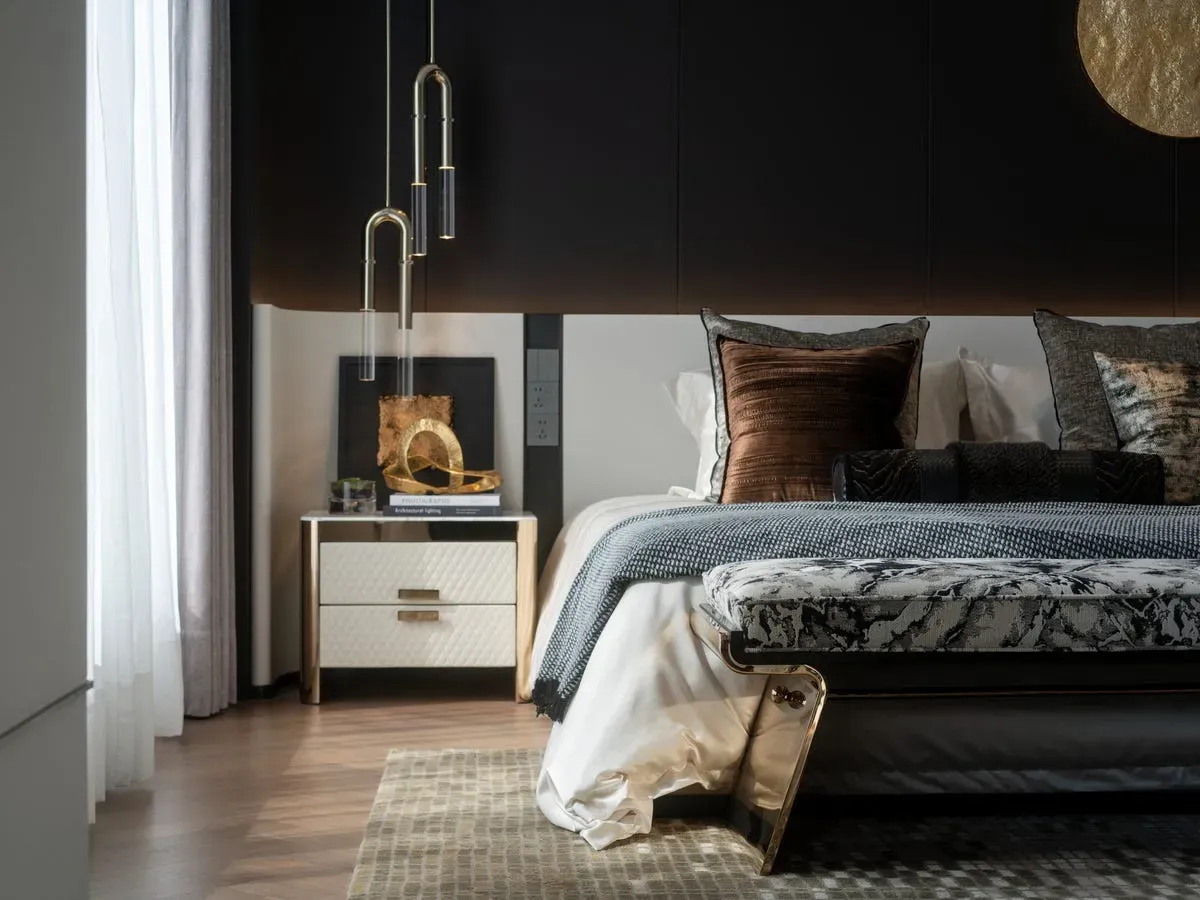
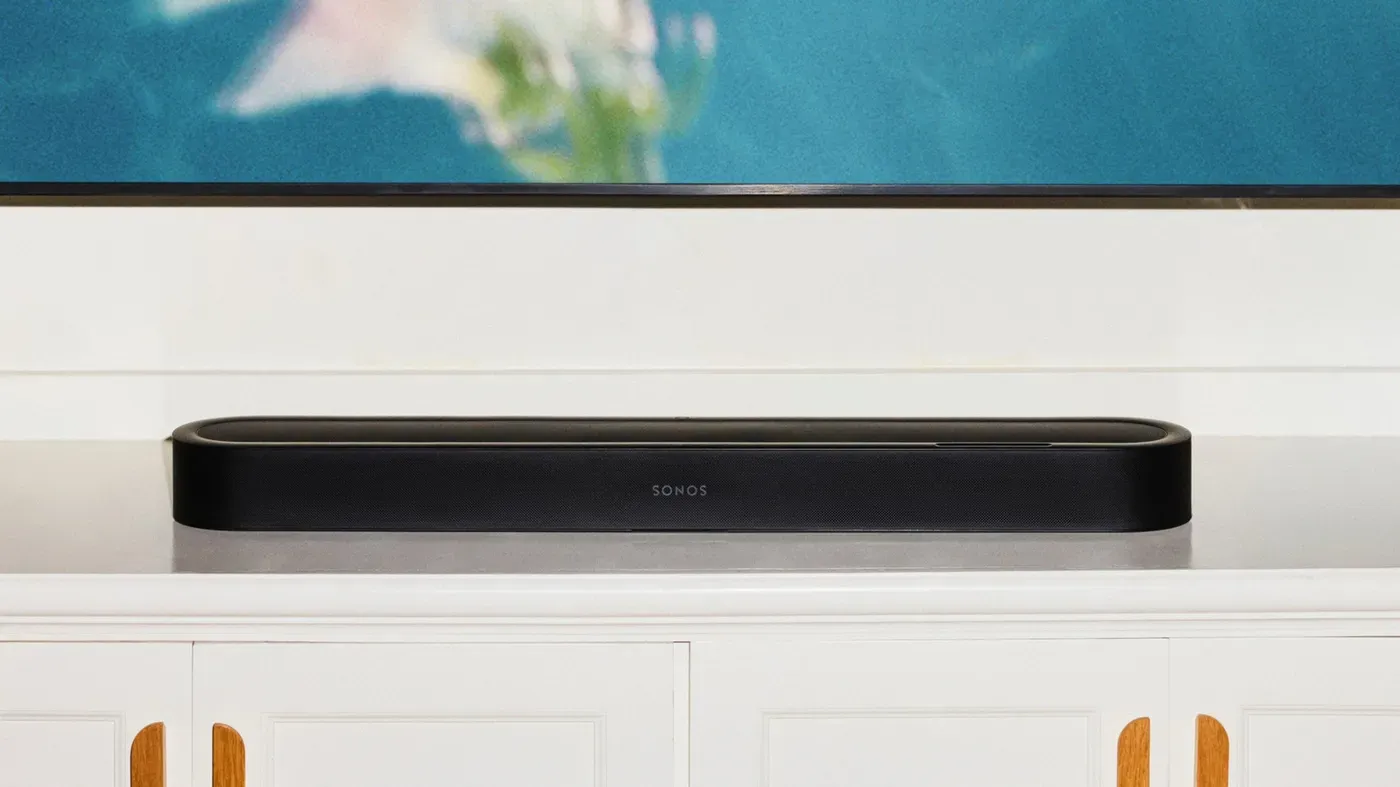
A growing concern among designers suggests that certain common items in bedrooms may be disrupting sleep patterns. Televisions, often placed in bedrooms for convenience, have been singled out as a culprit by some interior experts. According to Rayman Boozer, TVs can be visually distracting even when turned off.
Boozer points out that the typically black color of televisions can clash with most bedroom decor themes. Unless a specific design aesthetic incorporates black and white or another bold combination, the TV's appearance can be jarring in an otherwise peaceful space. In contrast, Boozer acknowledges that watching TV in bed is not inherently wrong.
Other designers concur on the importance of maintaining separate spaces for work and rest. Avoiding a desk or work area in your bedroom is Beth Diana Smith's advice, aimed at promoting a clear distinction between these two essential activities.
Clear surfaces and smart storage solutions are key to maintaining organization in the bedroom, according to Maya's advice. Clutter can have a significant impact on sleep quality, making it essential to keep surfaces clear of unnecessary items. By incorporating storage solutions that are both functional and aesthetically pleasing, individuals can create a calm and relaxing environment.
Bright colors can stimulate energy and make relaxation more difficult, which is why designer Debbie Mathews recommends avoiding bold hues in the bedroom. Interior designer Lorna Gross agrees, advising against using bright versions of red, orange, and yellow paint. These colors are often associated with anxiety and arguments, making them less than ideal for a space where rest and rejuvenation take place.
Large or intricately designed mirrors can be problematic in the bedroom, as they can create the illusion of a smaller space or even stimulate anxiety, according to Alexa Larson, co-founder of Dwellify. While mirrors can enhance a room's light and spaciousness, it's essential to exercise caution when selecting mirror sizes and designs for the bedroom.
Mirrors can greatly impact a bedroom's ambiance, but their placement is crucial to avoid overwhelming the space. Placing sizable mirrors directly across from the bed can create an unsettling atmosphere that disrupts the room's balance.
To maintain a serene environment, electrical clutter should be kept at bay. Designer Larson recommends concealing cables behind furniture or investing in wireless charging options to prevent exposed wires from detracting from the bedroom's ambiance. Exposed wires not only compromise the space's tidiness but also pose a safety risk if tangled or overloaded.
Proper lighting is essential for creating a cozy atmosphere, and designers agree that harsh single-source lighting can make the room feel cold and uninviting. Instead of relying on a single light source, aim for a mix of ambient, task, and accent lighting to set the mood and aid in navigation.
When designing a bedroom, it's essential to consider the overall atmosphere and ambiance that will promote relaxation and restful sleep. Soft, layered lighting can create a warm and inviting space perfect for unwinding after a long day.
According to designer Amber Guyton of Blessed Little Bungalow, electronics have no place in the bedroom as they can be major distractions and disrupt sleep patterns. The absence of electronic devices is crucial in creating an environment conducive to relaxation and rejuvenation.
In addition to avoiding electronics, designers also recommend keeping furniture at uniform heights and avoiding clutter by storing personal items out of sight, such as kids' toys, which should ideally be kept out of the primary bedroom altogether.
Facts based on reporting originally published by Good Housekeeping.
You may republish this story, in full or in part, if you credit News Central Site and link to it (licence CC BY 4.0). Photos are not included.