VHS tapes and other obsolete technologies are not usually accepted by charities due to their limited usefulness
Donation centers often decline items such as VHS tapes, car seats with compromised conditions, and stained or damaged clothing.
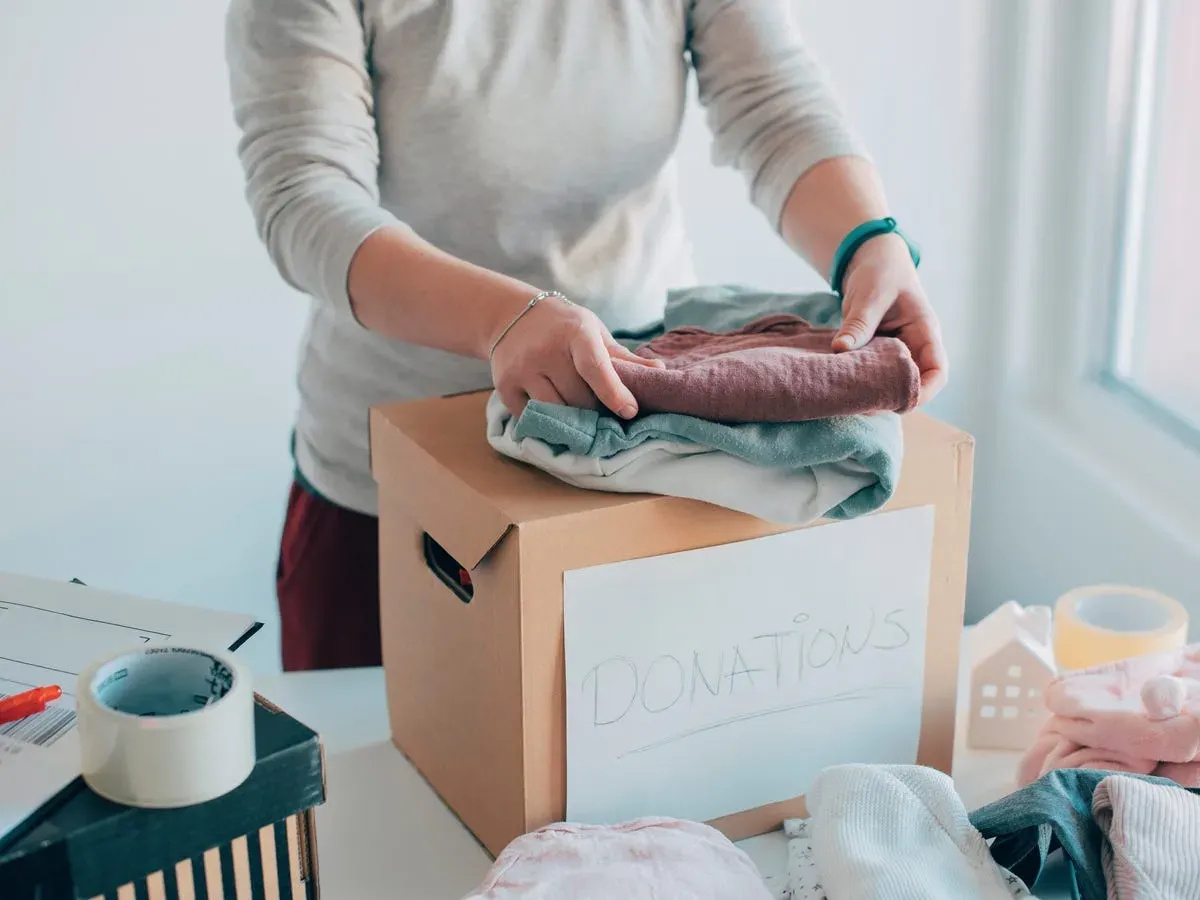
Decluttering experts are advising against donating certain items that may seem like a good idea at first glance.
VHS tapes, for instance, are being turned down by many donation centers due to their obsolescence - few people still have the equipment to play them. According to Mindy Godding, professional organizer and co-founder of Abundance Organizing, "Obsolete technologies, like VHS tapes, are not usually accepted" because they're often useless to those who receive them.
Clothing with identifying information is another item that's best discarded rather than donated.
Donated car seats can pose a risk to children's safety due to potential compromises in their original condition. This concern is enough for charities to often decline accepting donated car seats. The rigorous safety standards in place for infant and toddler products also contribute to this reluctance.
Charities are wary of accepting donations that may put them at risk of liability, such as recalled or compromised items. Infant and toddler products are particularly scrutinized due to frequent recalls and the difficulty in verifying their condition. As a result, these items often end up being discarded rather than donated.
The practicality of donating car seats also comes into play, as they can be prone to messes that buyers would prefer to avoid. This includes spills, crumbs, and bodily fluids, which can make them less appealing for someone looking to purchase a used seat.
Donating damaged furniture can be challenging due to its condition. According to Robyn Reynolds, a certified professional organizer and founder of Organize2Harmonize, pristine condition is often required for donations. This makes it difficult to find a suitable recipient.
Items with open packaging are also not suitable for donation. Many centers have strict protocols in place for accepting donated items, including toiletries and cosmetics that have been opened. It's better to dispose of these yourself rather than taking them to a donation center. As Saltman suggests, consider offering them to friends instead.
Stained or damaged clothing should be disposed of as well. Saltman points out that thrift store finds can quickly lose their appeal when flaws are discovered. If clothing is stained, ripped, stretched out, or has a strong odor, it's best not to donate it, allowing its next owner to avoid disappointment.
Facts based on reporting originally published by Good Housekeeping.
You may republish this story, in full or in part, if you credit News Central Site and link to it (licence CC BY 4.0). Photos are not included.