US States Relax Electrical Codes for Plug-in Solar Systems
A growing number of US states are now allowing consumers to install plug-in solar systems, which can save them money on their power bills by harnessing renewable energy from the sun.
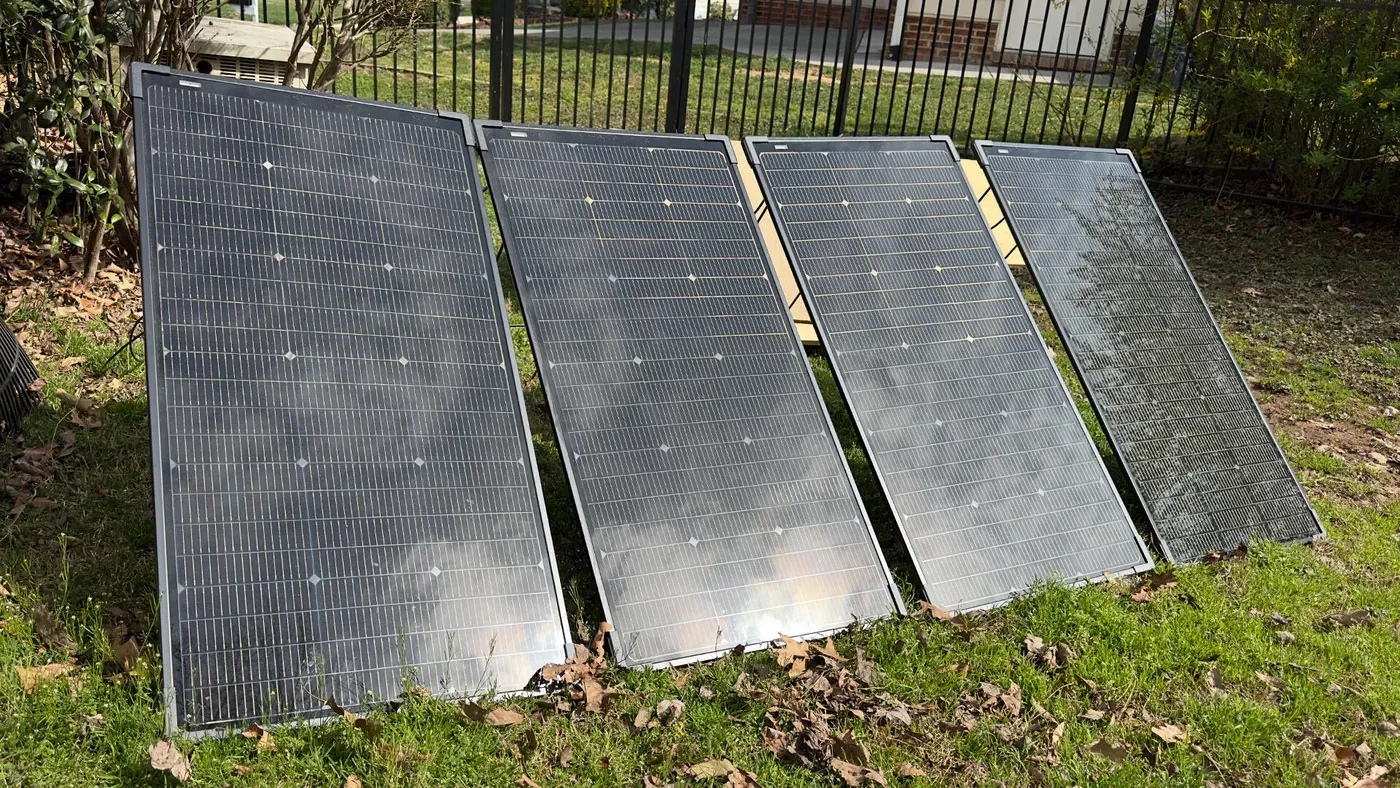
A growing number of US states are now allowing consumers to install plug-in solar systems, also known as backyard solar, which can save them money on their power bills by harnessing renewable energy from the sun.
These plug-and-play systems typically consist of one or more solar panels, an inverter, and a battery that connects to a home's standard 120-volt outlet. They automatically route solar-generated electricity from the battery to the nearest running appliance, making it easy for consumers to get started with solar power.
However, the widespread adoption of plug-in solar systems has been hindered by US electrical codes, utility regulations, and equipment certification requirements that make them difficult to install legally in many states. As a result, homeowners have been limited in their ability to harness solar energy from the comfort of their own homes.
Currently, ten states have successfully passed legislation legalizing backyard and plug-in solar systems for consumer use, enabling residents there to purchase and install systems like the EcoFlow Stream.
Several states are still working on legalizing plug-in solar systems for consumer use, despite some progress being made. Some of these bills have stalled and will not be considered until the next legislative session in 2027. This is the case in Alaska, Arizona, Delaware, Hawaii, Idaho, Illinois, Indiana, Iowa, Minnesota, Missouri, North Carolina, and Oklahoma.
However, there are also states that are actively moving forward with plug-in solar legislation. For example, balcony solar bills H.5175 and S3143 are advancing through the Massachusetts state legislature. Similarly, the SUNNY Act is awaiting approval from the governor in New York.
In addition to these efforts, other states like Michigan, Ohio, Pennsylvania, Rhode Island, South Carolina, and Washington, DC have reached committee hearings for their respective plug-in solar bills. These developments indicate that some lawmakers are taking steps towards making plug-in solar systems more accessible to consumers.
It's worth noting that not all states have been successful in passing plug-in solar legislation. In Georgia, New Mexico, Oregon, Washington, and Wyoming, such bills have failed to become law, leaving residents in these states without the option to purchase and install plug-in solar systems like the EcoFlow Stream.
The legality of plug-in solar systems varies from state to state, and even within states, different local regulations can apply. For example, in some areas where these systems are permitted, residents may still face restrictions imposed by their landlord or homeowners association (HOA).
In the United States, a key factor governing the use of plug-in solar systems is the electrical infrastructure of traditional homes. Unlike rooftop solar installations, which are designed to integrate with a home's electrical panel and circuit breaker, plug-in solar systems introduce electricity directly into an outlet.
This can create safety concerns, as nearby appliances may draw energy from both the breaker and the solar inverter, potentially overloading the wiring and causing the breaker to trip. However, safety is not the only issue at play here; it's also a matter of electrical design and compatibility.
In order for plug-in solar systems to be installed safely and effectively, homes would need to undergo modifications to their electrical panels and wiring to accommodate the unique demands of these systems.
Installing solar panels on homes has numerous benefits, including reduced reliance on local utilities and lower electricity bills for homeowners. However, one of the major obstacles to widespread adoption is the regulatory framework governing plug-in or balcony solar setups.
Utility companies are often hesitant to adapt their rules and regulations to accommodate these types of systems, as they are designed primarily with rooftop panels in mind. As a result, legislation aimed at promoting plug-in solar energy must also address the need for utility companies to change their policies and procedures.
Facts based on reporting originally published by ZDNet.
You may republish this story, in full or in part, if you credit News Central Site and link to it (licence CC BY 4.0). Photos are not included.