US Midterm Elections Leave Both Parties with Deep Divisions
The recent US midterm elections have left both major parties facing internal divisions that are unlikely to be resolved anytime soon.
The results of the recent US midterm elections have left both major parties facing internal divisions that are unlikely to be resolved anytime soon.
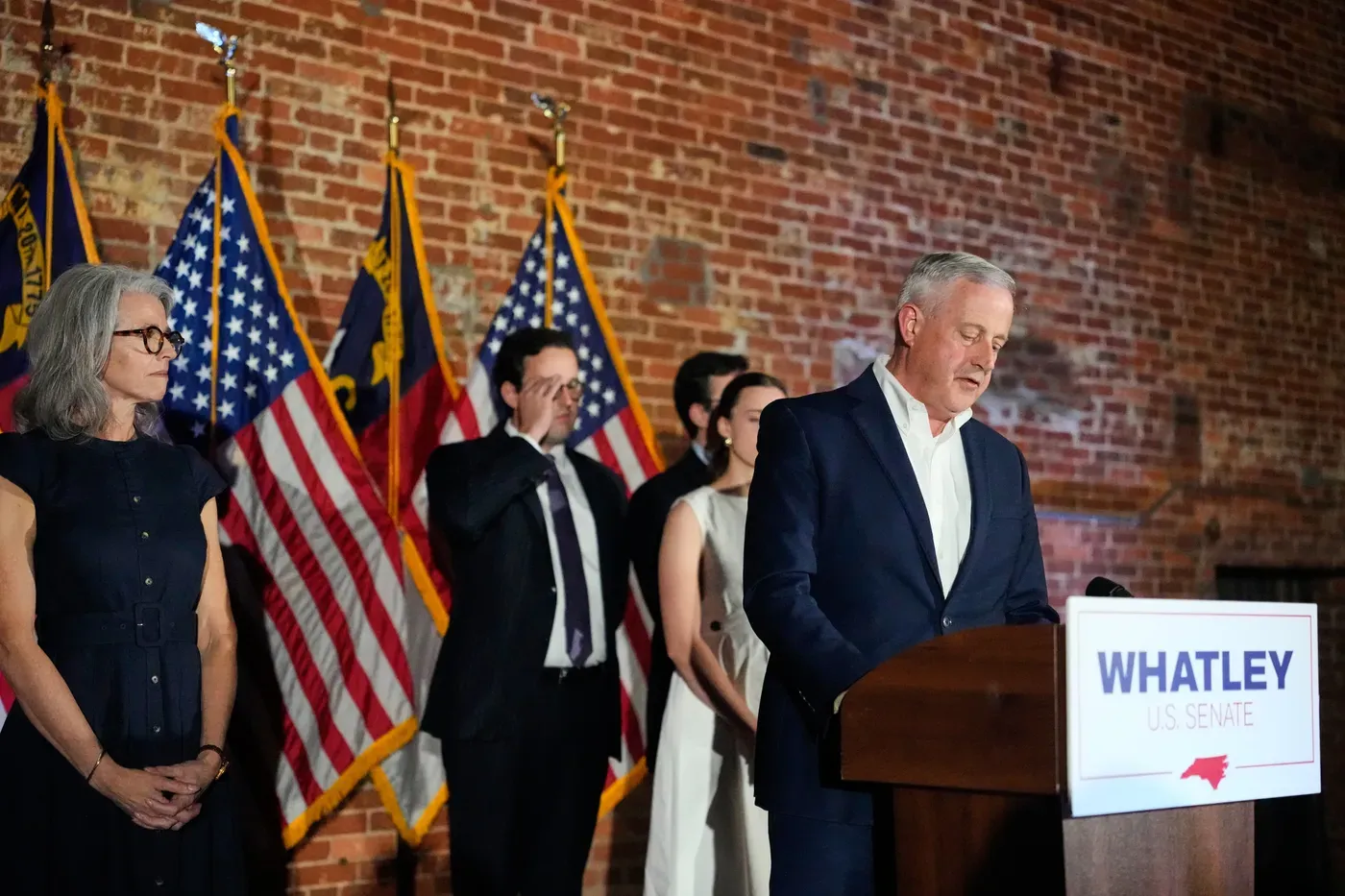
A significant number of Republican voters expressed confidence about their party's chances in both the House and Senate before the elections, but this optimism has been replaced by division over who is to blame for the scale of the defeat. While some Republicans are beginning to distance themselves from President Donald Trump, others are weighing what a post-Trump GOP might look like.
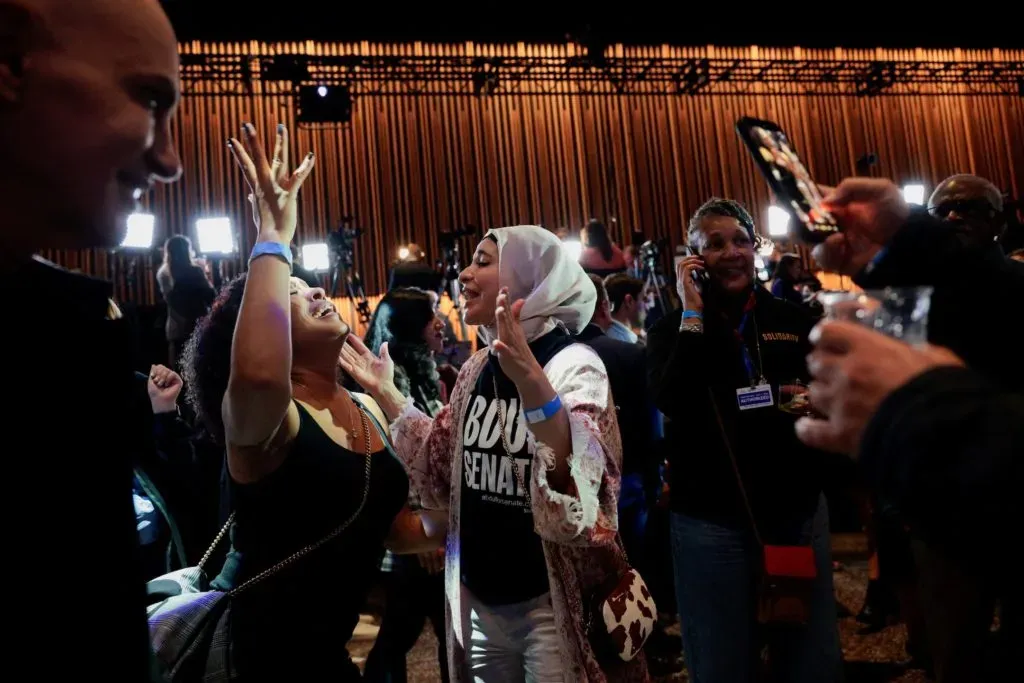
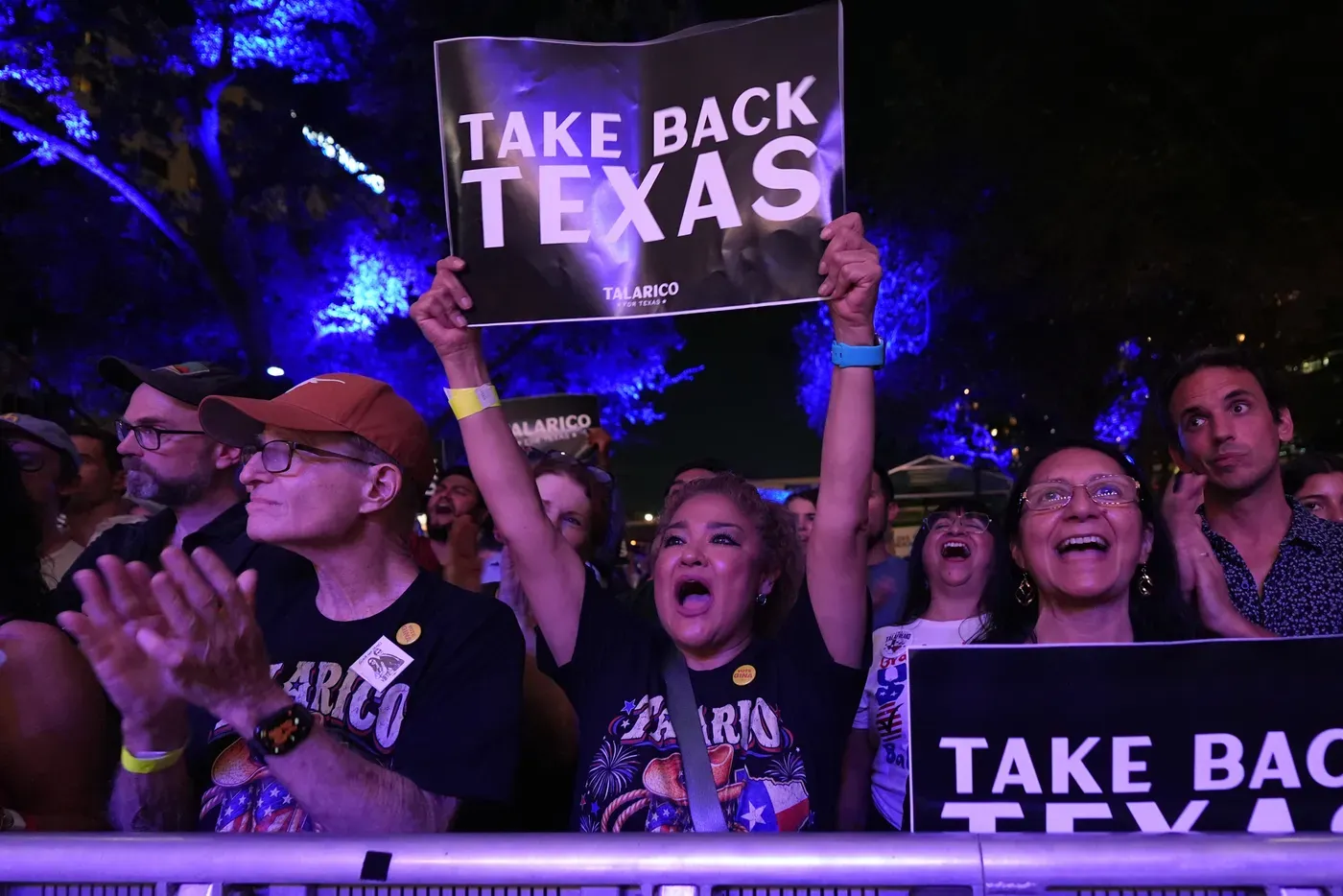
Meanwhile, Democrats have scored a significant victory, but instead of bringing their party together, it has allowed nearly all factions to claim that their agenda is supported by voters. Moderate and progressive infighting within the Democratic Party has been a defining feature of this election cycle, and the recent wave of victories has done little to change that.
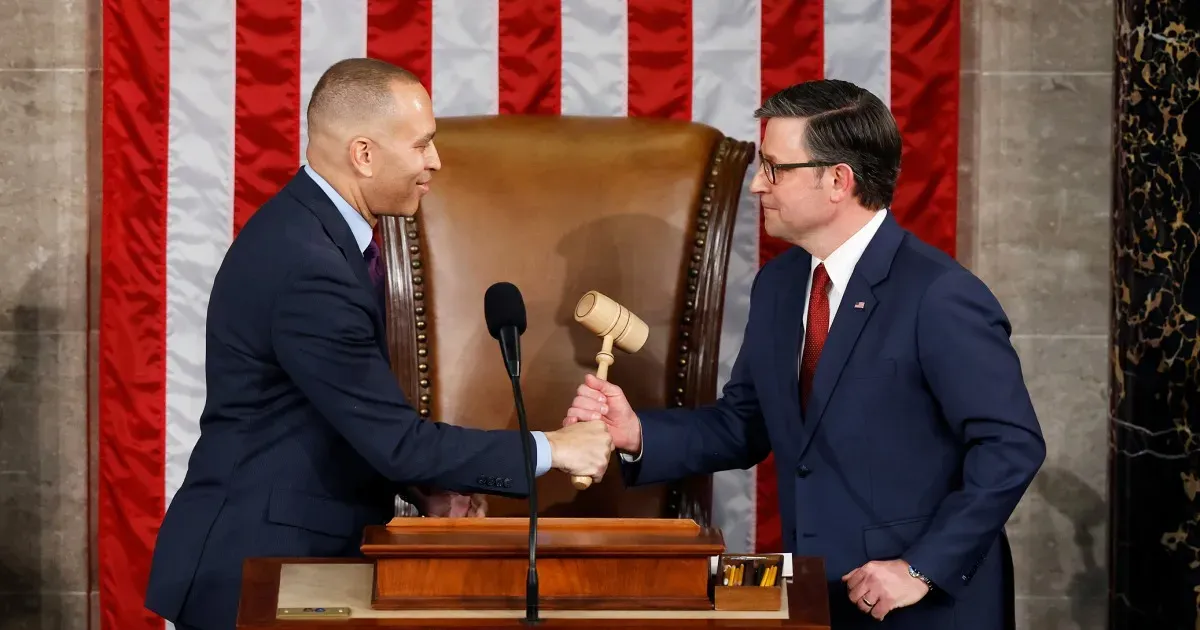
The midterms have left both parties with significant challenges ahead of the 2028 presidential race. With internal divisions running deep, party leaders will need to work tirelessly to stitch together a winning coalition if they hope to succeed in future elections.
As voters cast their ballots, surveys conducted by PF Global revealed a complex picture of voter attitudes and opinions on key issues, highlighting the difficulties that both parties face in appealing to their respective bases.
Despite the divisions within both parties, a significant number of voters believe that the Republican Party will emerge from the elections more unified, while others predict it will be even more divided.
A substantial 29% of GOP voters think their party will come out of the elections with a stronger sense of unity, whereas an almost equal percentage, 29%, expect it to become even more fragmented.
In contrast, Democratic voters are more optimistic about their party's prospects for unity, with 45% expecting more cohesion after the election results are announced, regardless of who wins.
Republican strategists and lawmakers have issued warnings that if the party doesn't learn from voter frustrations over key issues like the economy and the Iran war, it will struggle to move forward effectively.
Some Republicans are pointing fingers at Trump, whose coalition suffered a significant setback on Tuesday night, with many of his voters now looking to distance themselves from him.
A notable divide exists within Republican ranks, with a significant portion of MAGA supporters viewing a midterm election loss as an opportunity to draw closer to Trump's agenda.
Conversely, non-MAGA voters are more likely to distance themselves from the party if it suffers a defeat in the House and Senate. This dichotomy reflects deeper cracks forming within the Republican voter base over various issues.
The POLITICAL POLL has consistently shown that non-MAGA supporters diverge from their MAGA counterparts on key topics, including affordability, ICE policies, the war in Iran, and data centers.
Jonathan Fletcher, register of deeds and former GOP chair of Gaston County, North Carolina, warns that it's time to consider what life will be like after Donald Trump.
A significant number of Democratic voters believe that a resounding midterm victory would be an opportunity to field more progressive candidates in future elections. However, this perspective is predominantly held by self-identified progressives, who are overwhelmingly in favor of such a strategy.
Among moderate Democrats, opinions are more divided. While some 35% think the party should prioritize running more progressive candidates in the wake of a significant win, a similar proportion - 36% - believe that moderate candidates would be better suited to capitalize on any momentum gained from the election.
The aftermath of the midterm elections has seen both sides of the Democratic Party's ideological divide claim victory. Centrist group Third Way argues that high-quality moderate Democrats were instrumental in securing key victories this cycle and will serve as a model for future success.
In contrast, progressive groups like the Progressive Change Campaign Committee contend that labels such as "moderate" and "progressive" obscure the underlying trends driving Democratic electoral success.
Democratic victories in key Senate races offer some consolation to party leaders, who can point to wins like Troy Jackson's in Maine and Abdul El-Sayed's in Michigan as evidence of their electoral strength.
However, these successes are tempered by concerns that the Democratic Party's strongest coalition was built around opposition to Donald Trump, rather than a unified platform or set of principles. This reliance on anti-Trump sentiment may leave the party vulnerable once he is out of office.
Ultimately, the challenge for Democrats will be to retain the voters who turned out in large numbers to cast ballots against Trump, and to build a lasting coalition that can sustain itself beyond the 2024 election.
Facts based on reporting originally published by Politico.
You may republish this story, in full or in part, if you credit News Central Site and link to it (licence CC BY 4.0). Photos are not included.