US AI Regulations Criticized for Fueling Corruption
A recent UN panel has highlighted a growing concern that AI is being corrupted by its leaders rather than the technology itself, with the US approach to regulating AI being criticized for fueling corruption.
A recent UN panel has highlighted a growing concern that AI is being corrupted by its leaders rather than the technology itself.
The 2026 panel, co-convened by the UN Office of Drugs and Crime and the Organization of American States, examined the relationship between AI and corruption. Panelists had initially feared that AI would facilitate corruption through money laundering, bribery, or disinformation.
However, their concerns were misplaced as they discovered that the true source of corruption lies with those in positions of power. This includes government officials, CEOs, and heads of state who steer the direction of AI governance.
The US approach to regulating AI has been criticized for fueling corruption. By using export controls to regulate the supply of AI and its components, the US is creating a system that benefits certain companies over others.
One company at the center of this controversy is Nvidia, which has become a poster child for corruption in the US. The Trump Administration had restricted sales of chips to China under US law, citing concerns about Chinese military advantage and US leadership in AI.
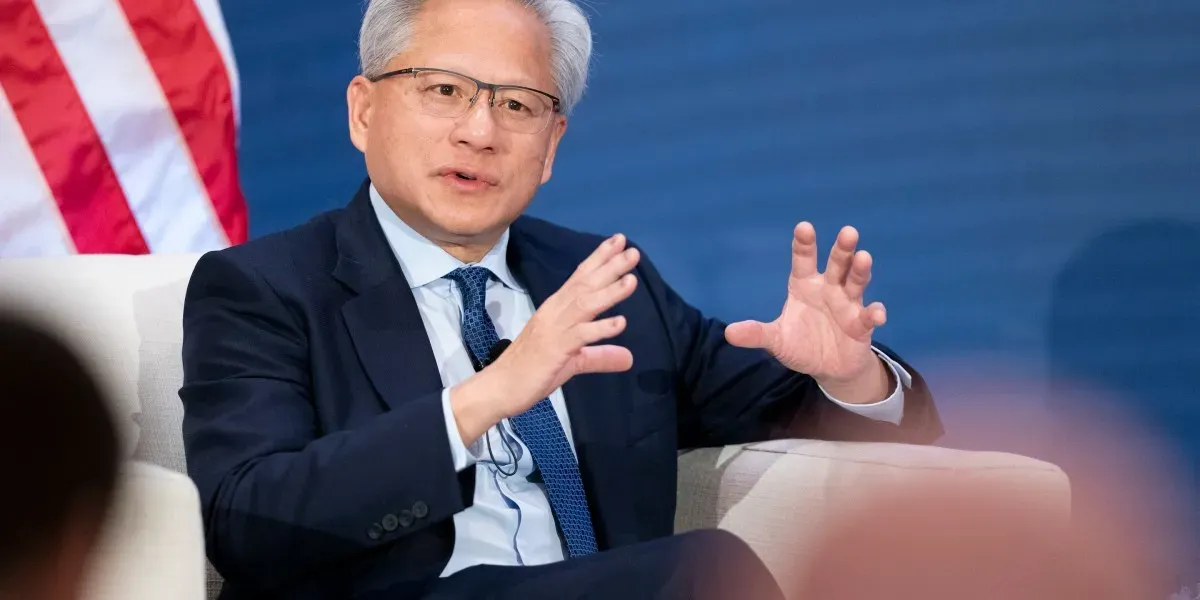
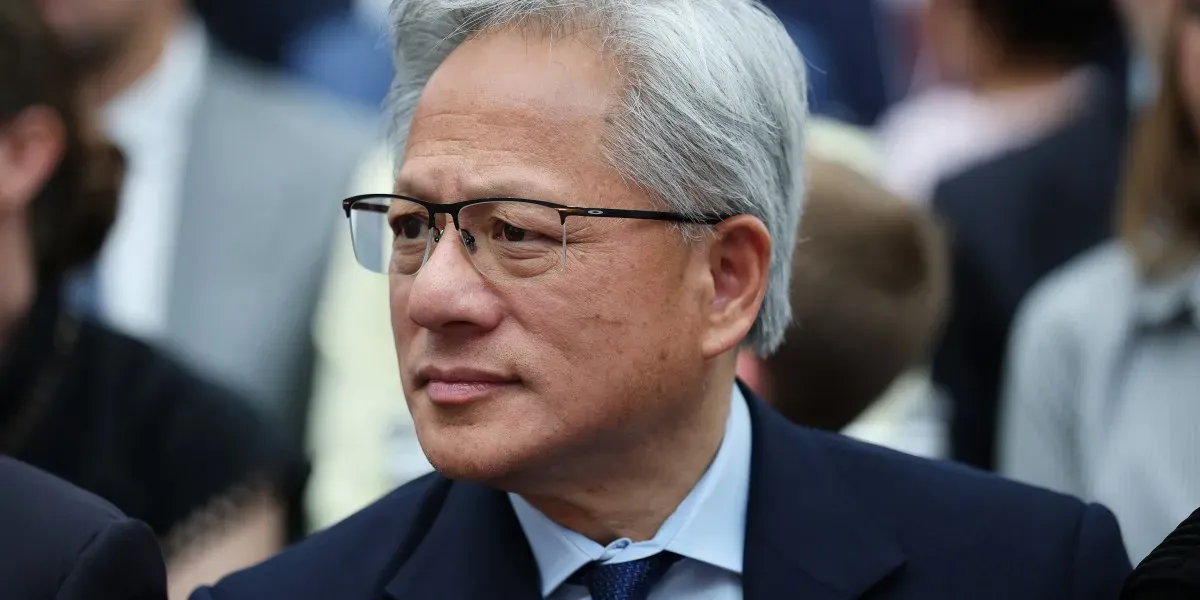
However, it was revealed that former Nvidia CEO Jensen Huang used flattery and donations to influence the Trump Administration's AI export policies. As a result, Mr. Trump granted Nvidia permission to sell its H200 chip to China, with the US government taking a cut of the sales.
The investigation into Nvidia's sales to Chinese and Malaysian entities has raised further questions about potential interference in an internal probe. Tim Teter, Nvidia's General Counsel, appears to have been involved in this case, sparking concerns about his role in managing the company's dealings with foreign entities.
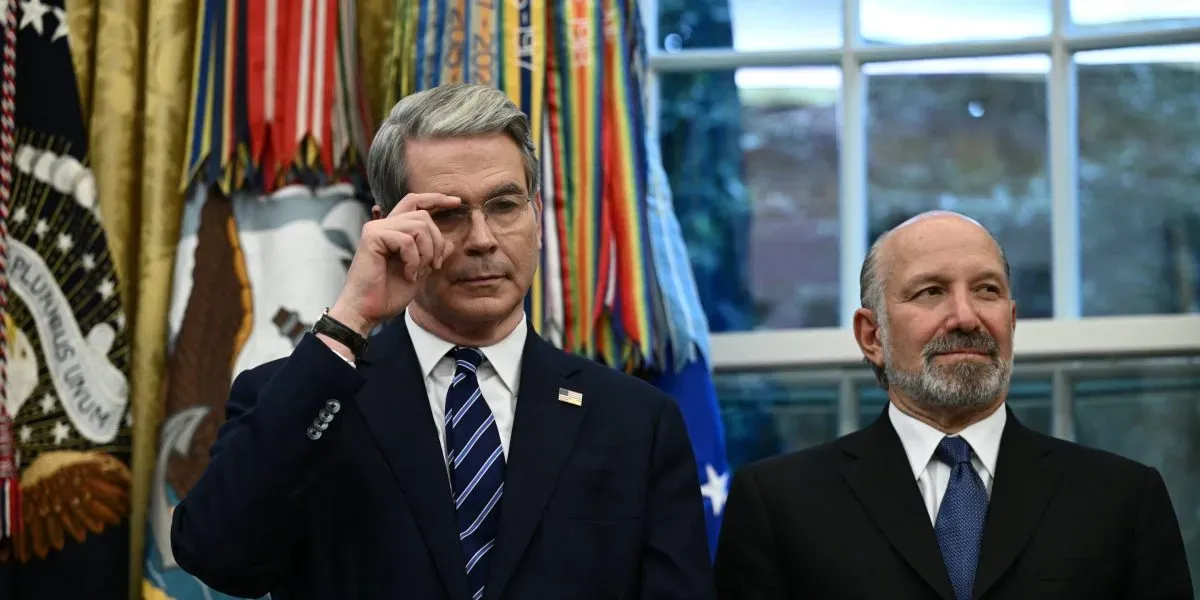
The lack of action from senior administration officials, including Commerce Secretary Howard Lutnick, who were warned about the risks surrounding Nvidia and its former CEO, is deeply troubling. Their inaction has serious implications for U.S. national security and the American people. This situation highlights the vulnerability of export controls to corruption.
Export controls are inherently susceptible to manipulation due to their location at the intersection of restricted goods, bureaucratic gatekeeping, and complex supply chains. When governments limit access to valuable technologies, including dual-use items like chips or AI, it creates a strong financial incentive for bad actors to exploit regulatory loopholes. This can lead to corrupt officials soliciting bribes in exchange for favorable treatment.
The concentration of discretionary power among government officials issuing licenses, classifying goods, and clearing shipments through customs makes them vulnerable to corruption. The struggle to coordinate trade, customs, and anti-corruption efforts across different agencies exacerbates this issue.
The artificial scarcity created by export controls can lead to high profits for those who manage to secure limited supplies of dual-use items like AI systems.
This has led some buyers to pay exorbitant prices for these services, which are often in short supply due to the restrictive nature of export controls.
Nvidia's competitors, including tech giants Google and Amazon, as well as OpenAI and Anthropic, have expressed support for legislation that would further limit Nvidia's ability to export high-speed chips to China, its largest market.
These companies, who are also among Nvidia's biggest clients, may be motivated by a desire to reduce competition from the US-based chipmaker in the lucrative Chinese market.
The opaque nature of national security exemptions in export control decisions can make it difficult for watchdogs to detect irregularities in licensing and procurement processes.
The lack of transparency in national security exemptions can create a breeding ground for irregularities in export control decisions, making it challenging for oversight bodies to detect any wrongdoing.
This opaque environment can lead to a situation where companies may exploit loopholes in regulations, compromising the integrity of the system and potentially putting sensitive technologies into the wrong hands. The consequences of such actions can be severe, with far-reaching implications for global security and economic stability.
Facts based on reporting originally published by Fortune.
You may republish this story, in full or in part, if you credit News Central Site and link to it (licence CC BY 4.0). Photos are not included.