Transportation Security Administration Guidelines for Game Systems
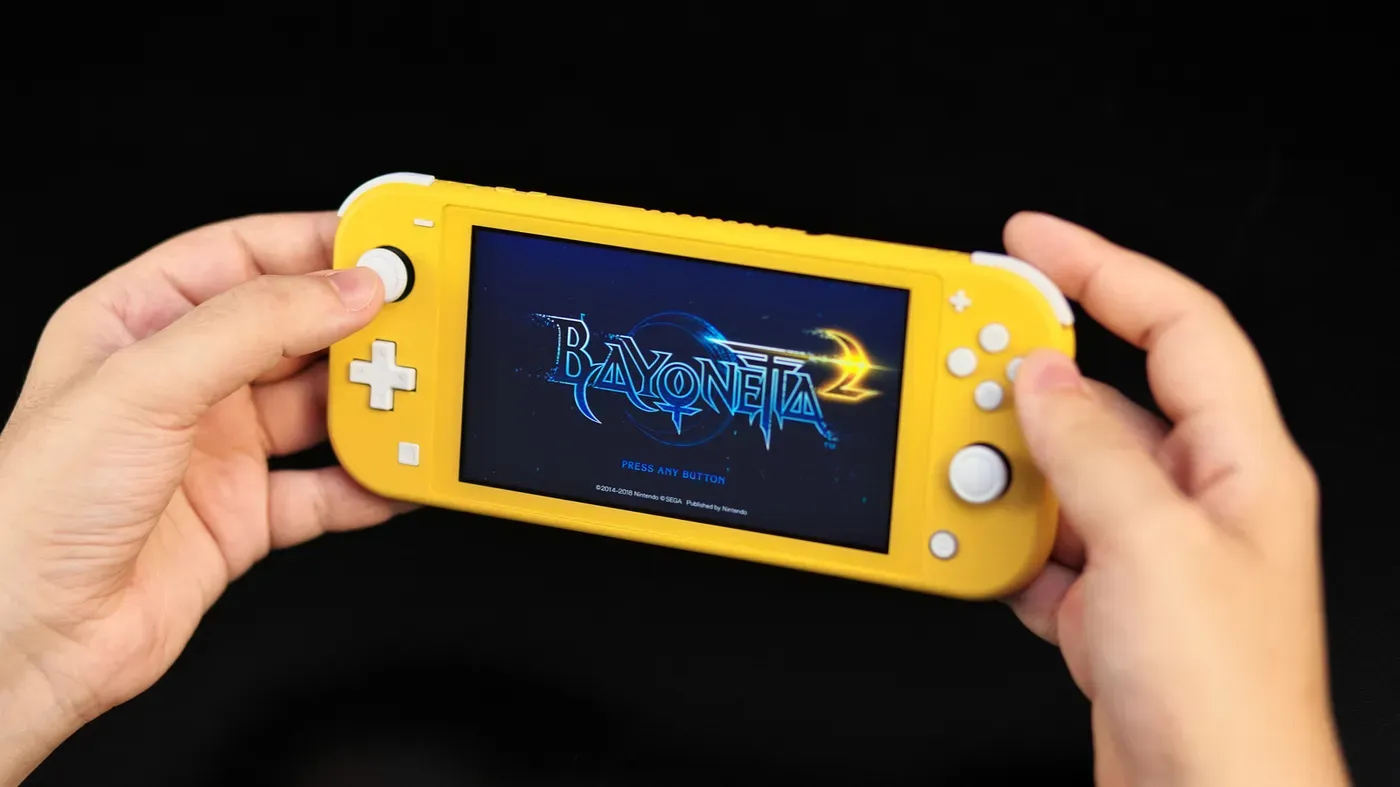
The Transportation Security Administration (TSA) has specific guidelines for game systems when traveling. Nintendo Switch 2, Steam Deck, Xbox controller
Travelers often bring handheld consoles through airport security without issue, but what about larger home systems? These bulkier consoles can be a great way to pass time during long trips, especially if you're away for an extended period.
It's essential to know the Transportation Security Administration (TSA) guidelines regarding game systems to avoid any confusion or delays at the airport. Fortunately, national guidelines dictate that both portable and home console rules are consistent across all airports.
When it comes to packing your consoles, it's worth noting that you'll need to carefully pack them in your checked luggage, as they may not be allowed in carry-on bags. However, this can vary depending on your specific flight situation and the discretion of airport security personnel.
While traveling with game systems is generally permitted, it's always best to familiarize yourself with TSA guidelines beforehand to ensure a smooth journey. This includes understanding whether your console needs to be removed from its case or bag for screening, which can be a case-by-case decision based on individual circumstances.
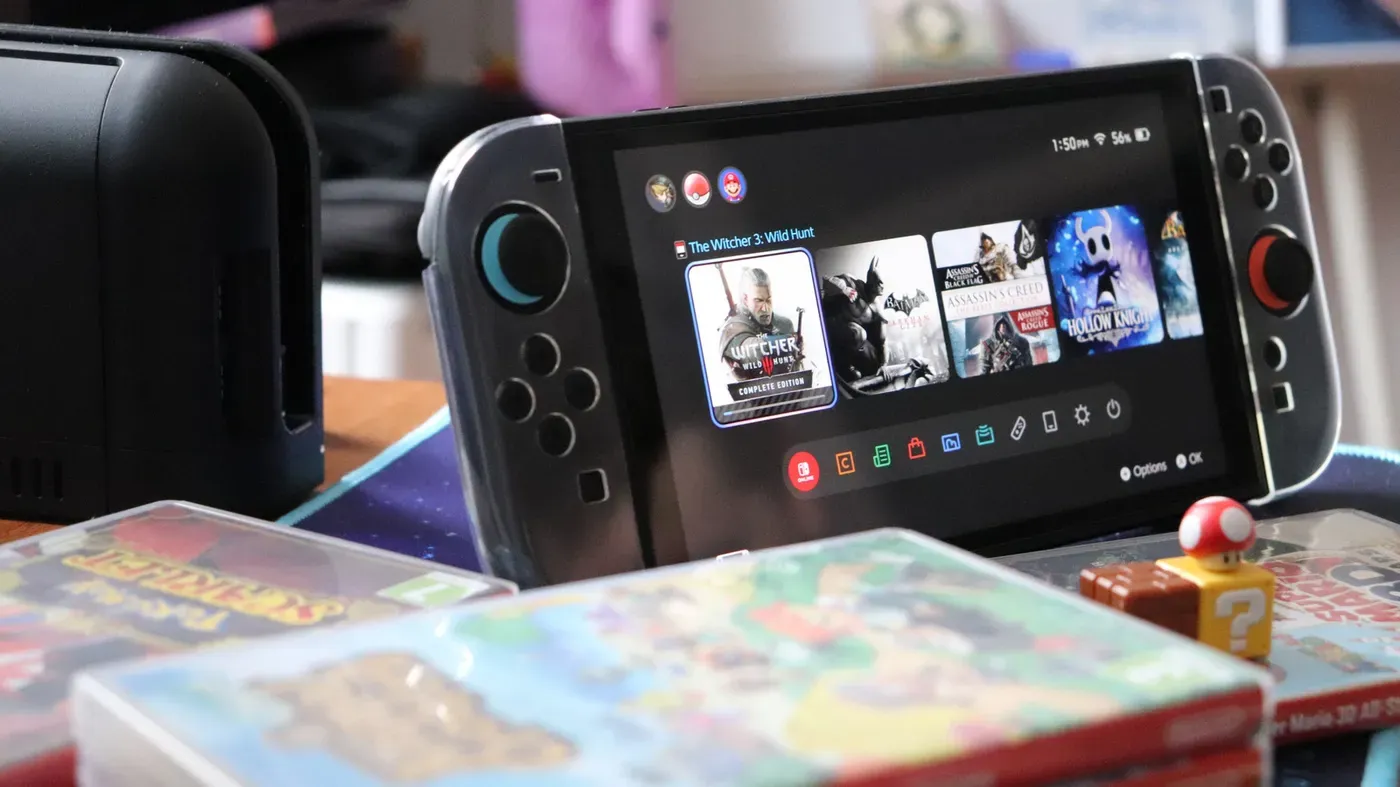
When traveling with gaming devices, it's essential to consider their power source and storage requirements. Gaming handhelds like the Nintendo Switch 2 or Steam Deck typically use lithium-ion batteries, which pose a risk of thermal runaway - an uncontrolled overheating phenomenon that can lead to fires.
As per TSA regulations, all devices using lithium-ion batteries must be stored in carry-on baggage to mitigate this risk. This means you'll need to keep them close by during the screening process. It's also worth noting that some gaming devices may wake up from sleep mode if not properly shut off before being placed in your bag.
To avoid any issues, it's crucial to understand the power source of each device you're carrying. For instance, home consoles don't typically use lithium-ion batteries, but most controllers do - with a few exceptions. The Xbox controller is one such exception, using AA batteries by default unless a separate charging pack has been purchased.
When going through security, be prepared to turn on any devices that may be requested to prove they're real. However, it's recommended to keep them shut off otherwise to prevent accidental overheating. This will help ensure a smooth screening process and minimize the risk of any potential issues.
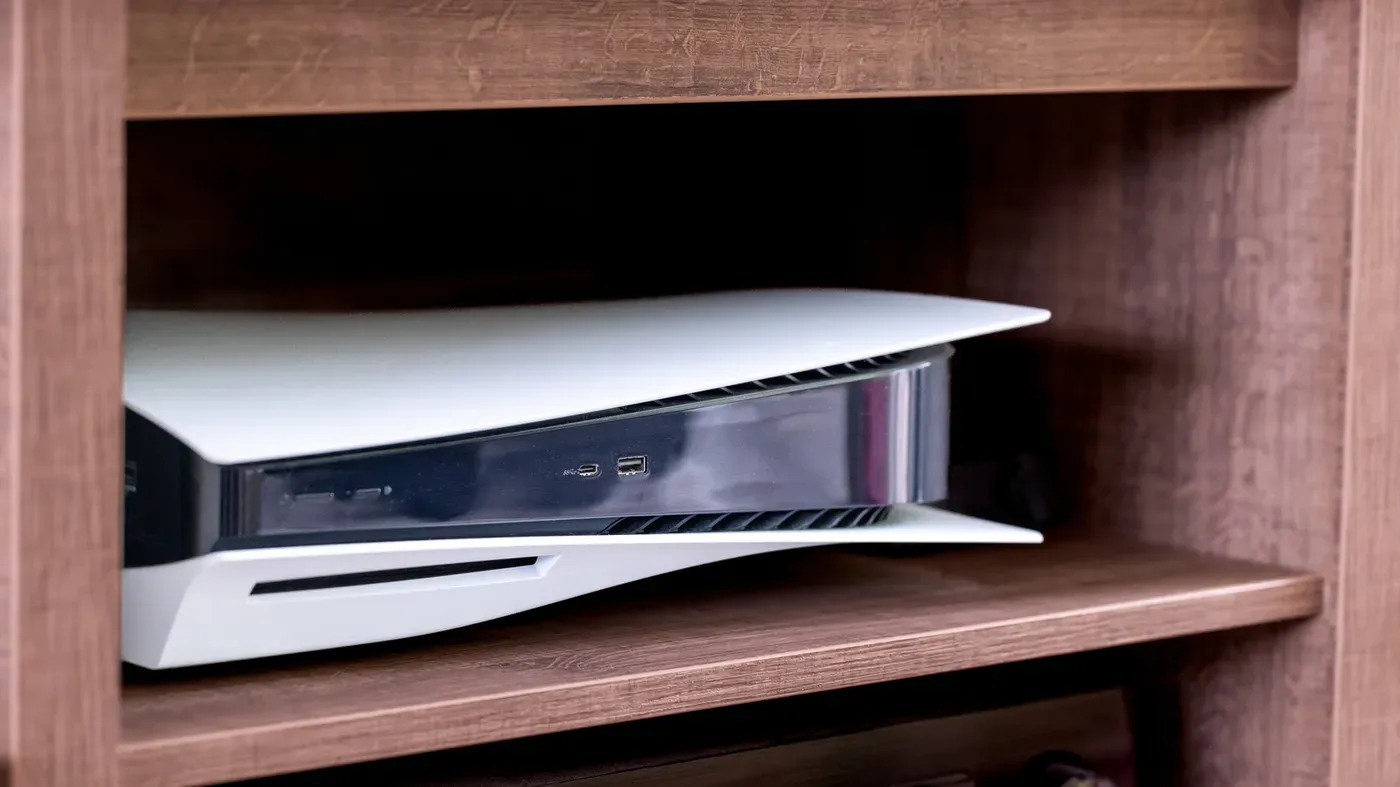
When traveling with gaming consoles, it's essential to consider their safety during transit. While home consoles like PlayStation 5 are allowed in checked luggage, they may not be the best choice for air travel due to potential damage and loss.
According to TSA data, a significant percentage of lost items occur in checked luggage. Between 2002 and 2025, approximately 63.5 percent of consumer claims filed with the TSA were related to property loss. This statistic highlights the importance of keeping valuable items close by.
To minimize risks, it's recommended to carry gaming consoles in your hand luggage or a backpack. If you do choose to check your console, place it in a protective case with padding and consider adding an AirTag for tracking purposes.
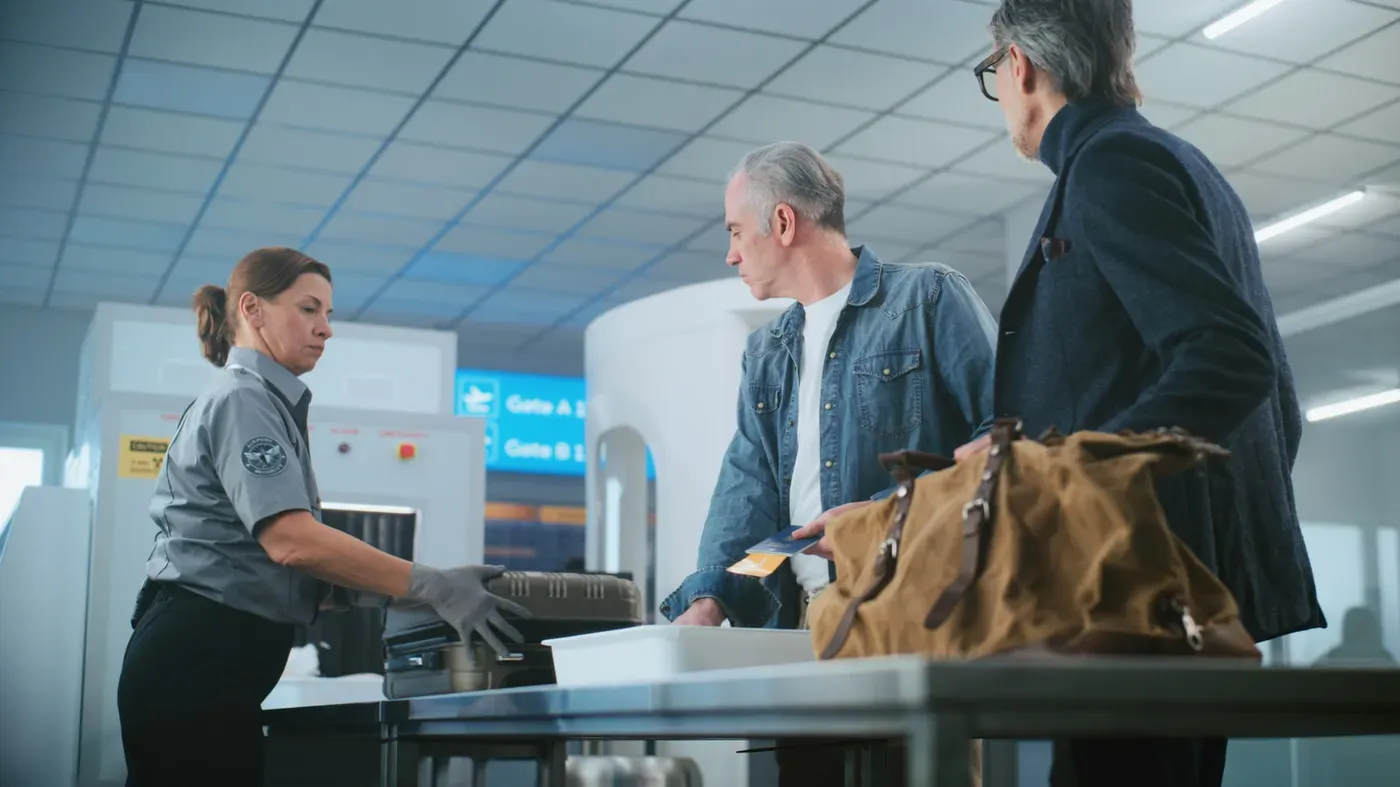
The TSA screening process can vary depending on the airport's equipment. Some airports have installed CT scanners that provide a 3D view of bags, eliminating the need to remove items like liquids and electronics. However, if your airport doesn't have these scanners, you may be required to place your console in its own bin for separate scanning.
In preparation for TSA screening, pack your console separately from other belongings so it can be easily removed and reinserted into your bag when necessary. This will help ensure a smooth screening process and minimize the risk of any potential issues.
Travelers with unusual gaming consoles may encounter difficulties at airport security checkpoints. To avoid potential issues, it's best to disclose the presence of such devices to TSA agents, allowing them to decide on a course of action.
This proactive approach will help prevent bags from being pulled aside for further inspection. Once identified, the console can be screened separately or placed in a designated bin to minimize disruptions during the security process.
Facts based on reporting originally published by Engadget.
You may republish this story, in full or in part, if you credit News Central Site and link to it (licence CC BY 4.0). Photos are not included.