Gaming Consoles Should Not Be Stored in Cabinets
The heat generated by gaming consoles can be trapped in cabinets, leading to overheating and reduced performance.
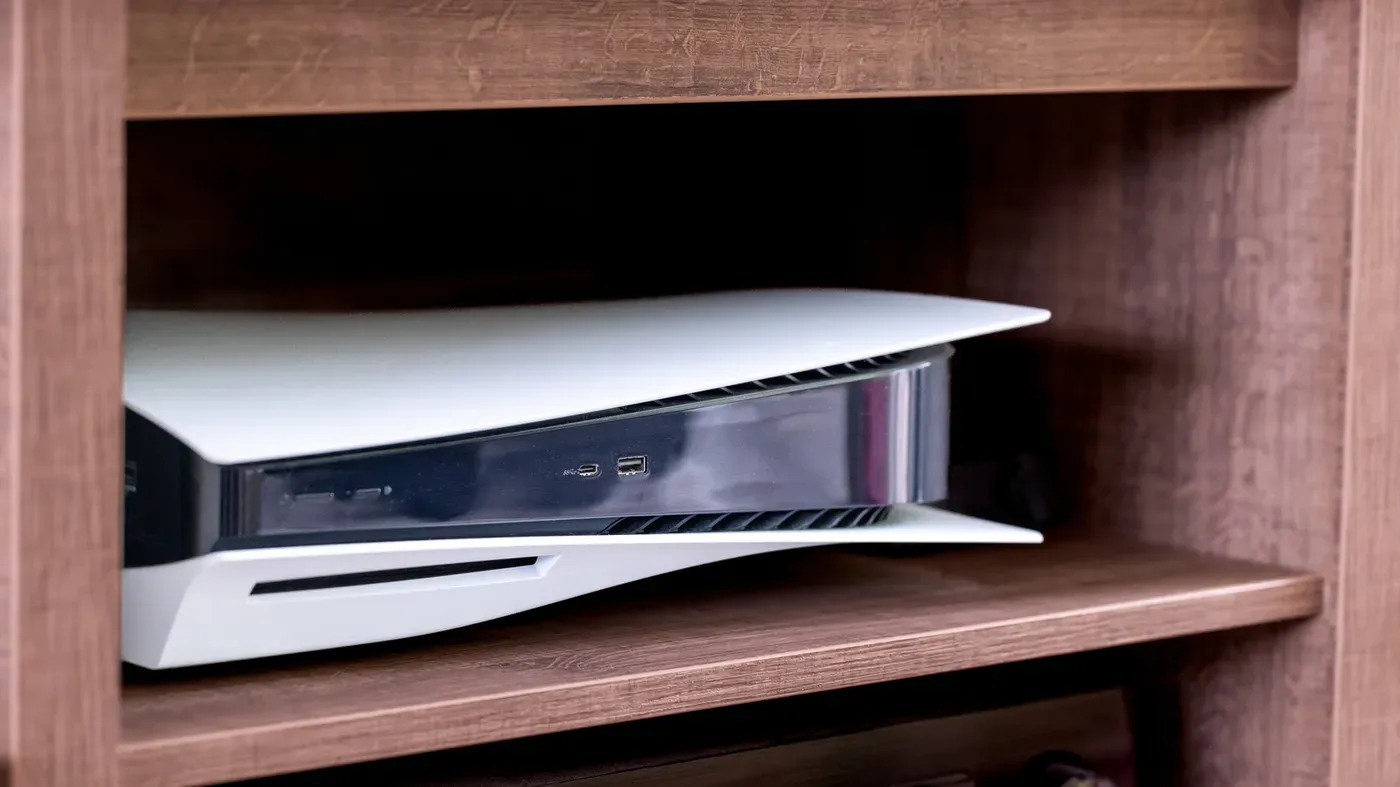
Cabinets can be an effective way to organize living spaces and keep clutter at bay, but they may not be the best place for gaming consoles.
The issue is that cabinets are designed to trap heat, which can have a detrimental effect on console performance and longevity. Consoles, particularly those with large processors and graphics cards, generate significant amounts of heat during operation.
This can lead to overheating, which in turn can cause consoles to slow down or even shut down altogether. Overheating can also accelerate wear and tear on internal components, potentially shortening the lifespan of the console.
In addition to performance issues, overheating can also increase energy consumption, contributing to higher electricity bills and a larger carbon footprint. As consumers become increasingly mindful of their environmental impact, this is an important consideration for gamers.
For those living in small spaces or with limited storage capacity, it's essential to carefully consider where to place gaming consoles to ensure optimal performance and longevity.
A gaming console's high power consumption is a significant concern when it comes to placement in a small space. Modern consoles like the PlayStation 5 and Xbox Series X are designed to render complex graphics and physics in real-time, which requires substantial energy. This is evident in their power draw, with the standard PS5 consuming up to 220W during gameplay.
The design of gaming consoles includes fans to expel heat and vents for air intake, but these can be compromised when a console is enclosed within a cabinet. The hot air generated by the system becomes trapped, while it may not have sufficient room to draw in fresh air, resulting in an inefficient cooling cycle. This forces the fans to work harder, potentially leading to reduced performance.
When a gaming console operates in conditions where heat is trapped, it can trigger visual glitches or cause the system to shut down temporarily to prevent damage to its components. Prolonged exposure to high temperatures can also have long-term effects on the console's hardware. It is essential for gamers to consider these factors when deciding where to place their consoles.
In order to maintain optimal performance and longevity, it is crucial to ensure that a gaming console has adequate airflow around it. This may involve placing it in a well-ventilated area or using specialized cooling solutions designed specifically for consoles.
Dust accumulation can be a significant issue when storing gaming consoles in enclosed spaces. While cabinets may prevent some debris from entering, they also hinder airflow, allowing dust to build up and trap heat within the device.
To mitigate this problem, console manufacturers recommend maintaining adequate clearance around their products. For example, Sony advises leaving at least 4 inches of space around a PlayStation to ensure proper ventilation. In contrast, Microsoft suggests providing 4-6 inches of clearance on all sides for Xbox consoles.
Similar guidelines apply to PC-based systems like the ASUS ROG Ally X and Valve Steam Machine. Regardless of the system's design or airflow pattern, trapping heat and dust can have detrimental effects on its lifespan.
In addition to ventilation considerations, it is also essential to avoid blocking console vents with items such as controllers, game cases, or books. Furthermore, keeping consoles away from direct heat sources is crucial to prevent overheating and potential damage.
When placing your gaming console inside a cabinet, it's essential to consider airflow. Since consoles like the PS5 and Xbox Series can be positioned vertically or horizontally, experiment with different arrangements to maximize space while ensuring adequate ventilation.
To maintain optimal performance, periodically dust the exterior of your console using a microfiber cloth and compressed air. When using canned air, hold it level and several inches away from the hardware to avoid spraying liquids onto sensitive circuitry.
Console manufacturers should provide clearer guidance on proper placement and maintenance, given the advancements in gaming technology since the early days of consoles like the 9W NES.
Facts based on reporting originally published by Engadget.
You may republish this story, in full or in part, if you credit News Central Site and link to it (licence CC BY 4.0). Photos are not included.