PFAS Found in Wide Range of Consumer Products
A new study has found that many food categories contain per- and polyfluoroalkyl substances (PFAS), with high concentrations detected in animal protein-rich foods such as fish and seafood.
A new study has shed light on another significant source of exposure to "forever chemicals, per- and polyfluoroalkyl substances (PFAS), which are found in a wide range of consumer products due to their nonstick, water-repellent, and grease-resistant properties.
These chemicals have become ubiquitous in our environment due to their remarkable resistance to degradation. They can persist for decades and have been linked to various health concerns, including cancer and reproductive issues.
A research team led by Professor Sébastien Sauvé at the University of Montreal has made a significant discovery regarding PFAS exposure. Several years ago, they found that Quebec's drinking water is contaminated with these chemicals.
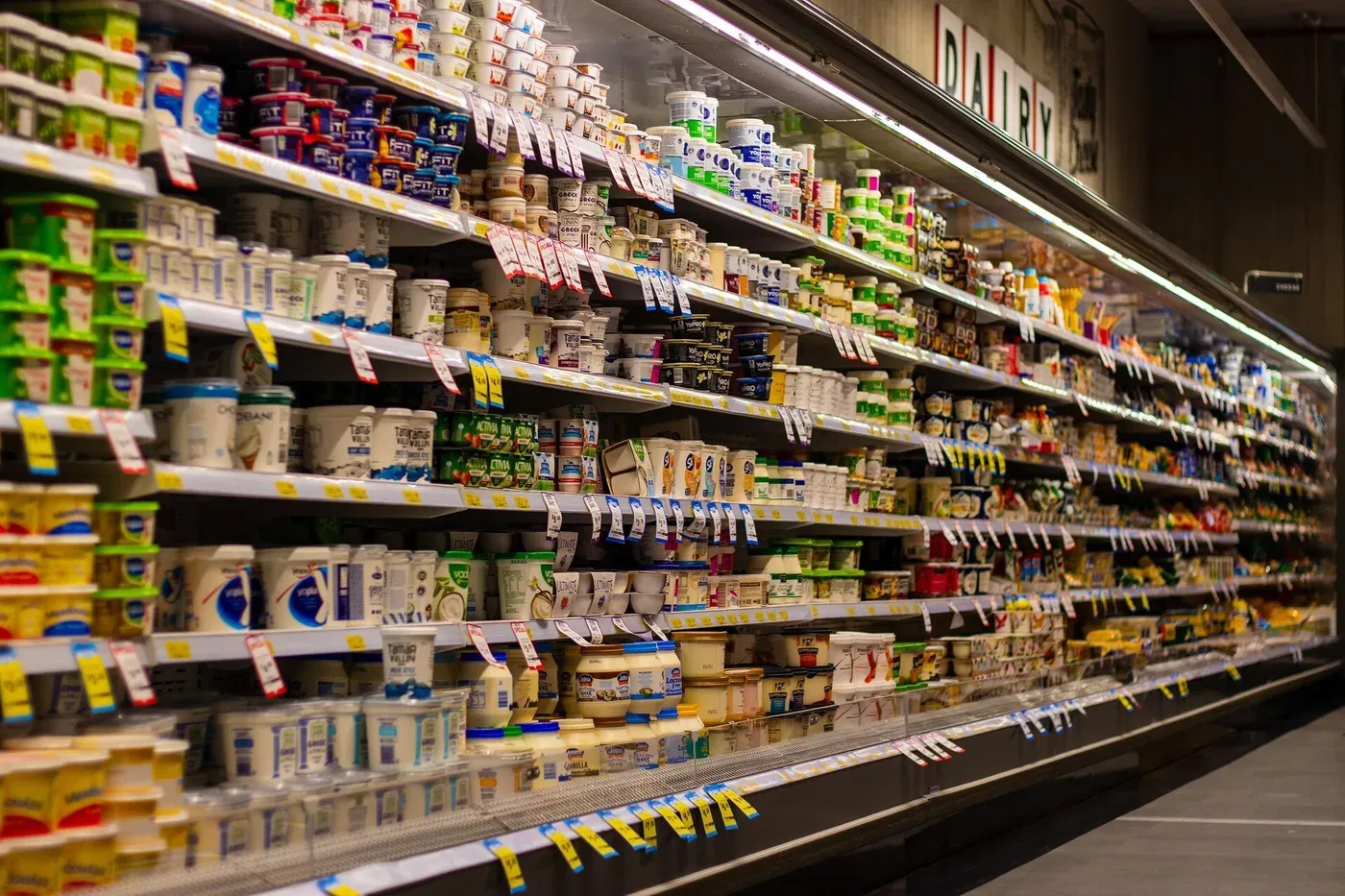
In their latest study, the team analyzed 76 different PFAS compounds in foods sold in Quebec grocery stores. The results show that many food categories contain PFAS, often at high enough concentrations to contribute significantly to daily exposure.
The highest levels of PFAS were found in animal protein-rich foods such as fish and seafood, with average concentrations reaching up to 1.9 nanograms per gram. Meat also contained notable amounts of these chemicals, averaging around 1.2 ng/g.
Dairy and plant-based products generally had lower PFAS concentrations, ranging from 0 to 0.75 ng/g. The findings suggest that food is an important source of PFAS exposure and warrants further attention in the ongoing efforts to mitigate the impact of these forever chemicals.
The team behind the study took into account not just the concentration of PFAS in food, but also how much of each item is typically consumed by people. This approach revealed that grains are a significant source of exposure to these forever chemicals".
Grains may not be among the most contaminated foods, but their ubiquity in our diets means even low levels of PFAS can add up quickly. Bread, pasta, and other grain products are staples in many cuisines around the world.
According to Dr. Sauvé, it's crucial to consider both concentration and consumption when assessing exposure to contaminants like PFAS. In the case of grains, their widespread presence in our diets amplifies their impact on overall exposure.
The study also modeled various diets, from meat-heavy omnivores to plant-based eaters with little or no animal products. While those who consume fewer animal products do tend to have lower estimated total PFAS intake, this isn't the whole story.
A closer look at the data shows that even in diets with less animal protein, grains continue to contribute significantly to exposure.
The study on food testing reveals that not all PFAS chemicals behave in the same way when it comes to accumulation in the body.
Among the 76 tested PFAS compounds, long-chain types are predominantly found in food samples. These chemicals tend to persist longer in the body compared to short-chain PFAS, which are eliminated more quickly.
The pattern of bioaccumulation is evident in fish and seafood, where certain long-chain PFAS like PFOS and PFOA can accumulate over time. This process occurs as smaller organisms absorb these chemicals, which then get passed on to larger predators through the food chain.
In contrast, land animals tend to have lower levels of PFAS accumulation, mainly because they occupy a lower position in the food chain. Most herbivores do not consume large quantities of fish or other high-accumulation species.
The study also found that plants can absorb smaller PFAS molecules more easily, which are then present in grains and other plant-based foods at varying concentrations.
Researchers caution against drawing conclusions about specific foods due to the study's preliminary nature and limited sample size of 100 samples across various categories.
The team is now analyzing over 500 additional samples to provide a more accurate picture of which foods have the highest PFAS concentrations and what factors contribute to these levels. This expanded analysis aims to shed light on the variability in contamination among different food types.
According to Sauvé, consumers should not feel compelled to eliminate entire categories of food from their diets based on the study's findings. Instead, the message is one of awareness: that exposure to PFAS comes not only from water but also from the food we eat.
Sauvé advocates for increased monitoring of PFAS in food, noting that standards and targets already exist for drinking water. He believes it would be inconsistent to treat food as a separate category with no comparable regulations or guidelines.
The study serves as a warning rather than a dietary guide, highlighting the need for further research into food contamination by PFAS, including its sources and the specific foods most affected by this issue.
The study found that food is a significant source of exposure to PFAS, with certain foods contributing disproportionately to daily intake. For example, consumption of meat and dairy products was linked to higher levels of PFAS in the body, while vegetable-based diets showed lower levels.
Drinking water also played a role in PFAS exposure, although its contribution was relatively smaller compared to food. The study highlights the need for further research into the sources of PFAS contamination in foods and drinking water, including the specific types of food most affected by this issue.
Facts based on reporting originally published by Phys.org.
You may republish this story, in full or in part, if you credit News Central Site and link to it (licence CC BY 4.0). Photos are not included.