Serbia's Leader Aleksandar Vucic Concedes Defeat in Parliamentary Election
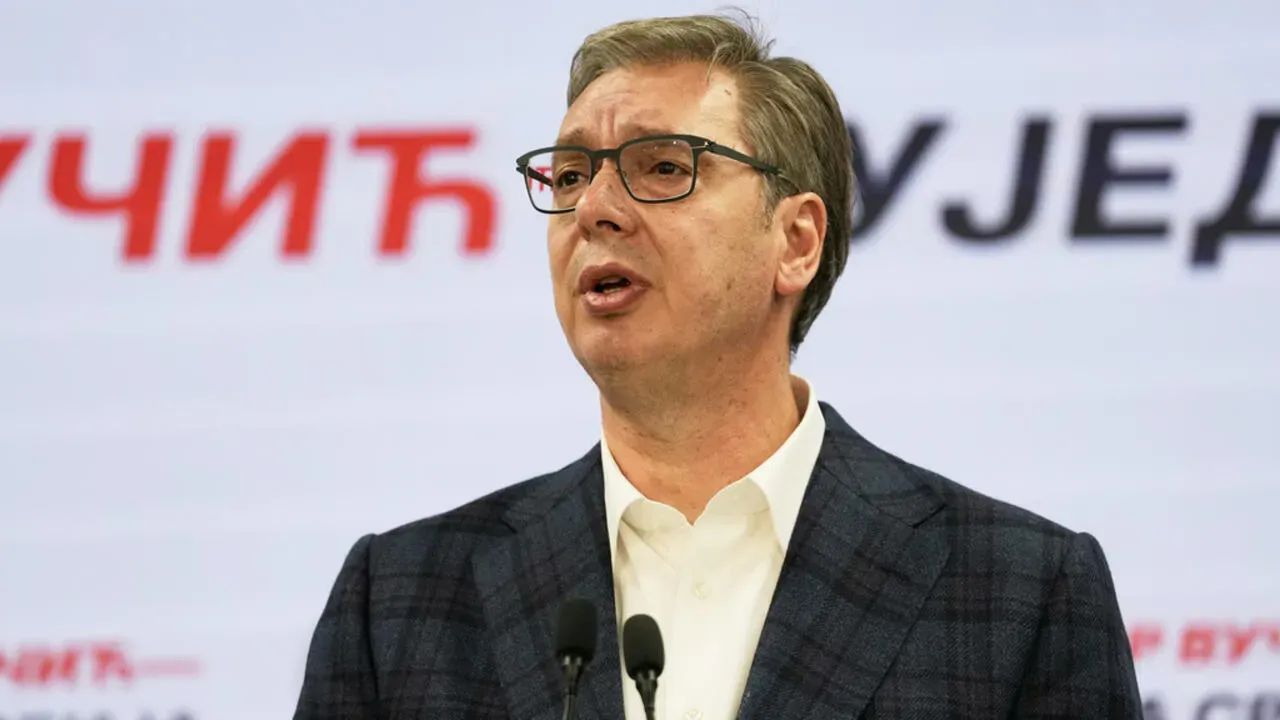
Aleksandar Vucic has conceded defeat in Serbia's parliamentary election, marking a significant shift in the Balkan nation's politics.
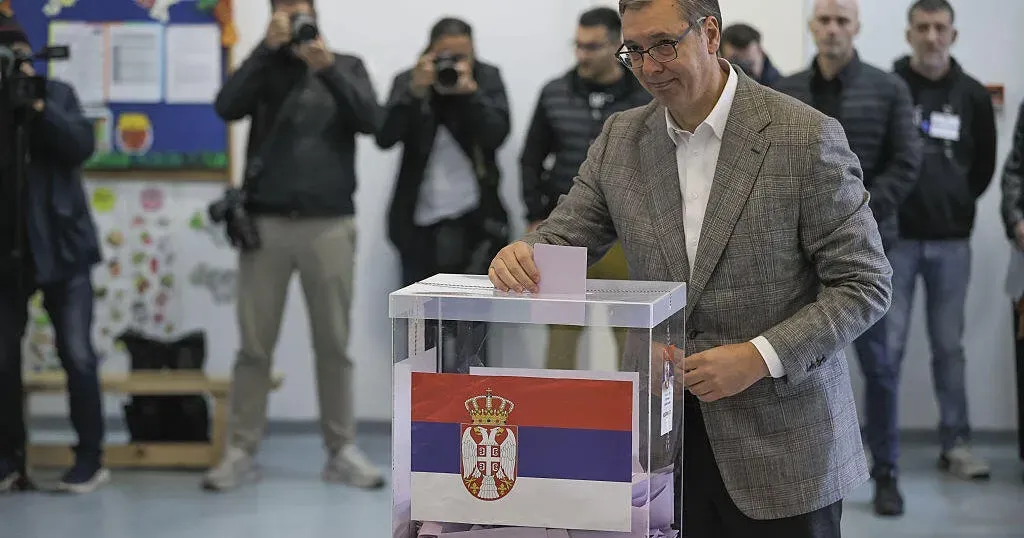
Serbia's long-serving leader Aleksandar Vucic has conceded defeat in the country's parliamentary election, marking a significant shift in the Balkan nation's politics.
Vucic, who had been at the helm of Serbia for 14 years and was endorsed by Russian President Vladimir Putin, lost his grip on power to a diverse student-led opposition movement that spent two years protesting his government. The student movement, which accused Vucic's administration of corruption and dismantling democracy, built a broad following across the country.
The highly contested parliamentary election saw high turnout and rising tensions as Vucic's right-wing Serbian Progressive Party clashed with the Students' List, a youth-backed opposition party that had gained significant momentum. The election was a showdown between two vastly different visions for Serbia's future.
With millions of voters casting their ballots, preliminary projections indicate that the Students' List will take around 135 to 140 seats in the 250-member Parliament, while Vucic's SNS party is expected to secure approximately 105 seats.
Tensions had been building throughout the day as voting progressed in Serbia's parliamentary election. This unease is reflected in the increased police presence around key locations in Belgrade, including the area cordoned off near the election commission headquarters.
Special police vehicles were seen patrolling a park where supporters of President Vucic have been camping for over a year. Large groups of black-clad men also gathered at various points throughout the city, suggesting that emotions ran high as voters cast their ballots.
The collapse of a concrete canopy at a train station in Novi Sad last year had sparked widespread protests among youth, who blamed corruption and cronyism for the tragedy that claimed 16 lives. This event marked a turning point in public opinion, with support for President Vucic beginning to erode.
Despite this shift, many voters still view President Vucic as a capable leader who can navigate Serbia through uncertain times. His image as a strong leader has been carefully cultivated by the mainstream media, which may have contributed to his enduring popularity among some segments of society.
Serbia's parliamentary election has seen an unexpected challenger emerge, one that has managed to disrupt Vucic's grip on power in a way that few others have in the past 14 years.
The Students' List movement, a newly formed entity shaped by university students, took an unconventional approach by fielding candidates who are not well-known academics or politicians but rather experts, athletes, farmers, and artists. This strategy aimed to counter Vucic's one-man rule and restore a sense of community and solidarity in the country.
The students' campaign focused on rebuilding Serbia's economy and restoring its democracy through a non-partisan effort. They leveraged their youthful energy to attract disillusioned voters who are tired of local politicians, particularly those from rural areas which have traditionally been Vucic's strongholds.
Their efforts, including cycling and walking through the country, were met with hostility by pro-government media but seemed to resonate with some segments of society.
As voting concluded in Serbia's parliamentary election, monitors predicted that turnout could reach around 70%, a figure unseen since 2000. This high participation is likely due to the intense interest and scrutiny surrounding the election, given the recent irregularities in previous polls.
Polling stations experienced long queues throughout the day, not only within Serbia but also in cities abroad where members of the Serbian diaspora were casting their ballots. In some cases, voters were forced to wait until the middle of the night due to voting hours being tied to local Serbian time, an unusual arrangement that may have caused inconvenience for those abroad.
The election has been closely watched by the European Union, which has expressed concerns about the safety and fairness of the campaign. Election monitors reported numerous instances of irregularities, including photographing of ballots, which suggested pressure on voters, as well as attempts to buy votes. These irregularities are a continuation of patterns observed in previous elections.
The high stakes of this election have led to an intense atmosphere, with concerns about surveillance and cyberattacks against activists adding to the tension. The situation has been marked by near-total government control over the media, further limiting transparency and accountability.
Facts based on reporting originally published by CBS News World.
You may republish this story, in full or in part, if you credit News Central Site and link to it (licence CC BY 4.0). Photos are not included.