Rising Sea Levels Affect Food Production and Infrastructure in England
A significant portion of England's agricultural land, which accounts for nearly half of the country's best agricultural land and contributes significantly to the nation's vegetable output, is vulnerable to flooding due to its proximity to sea level.
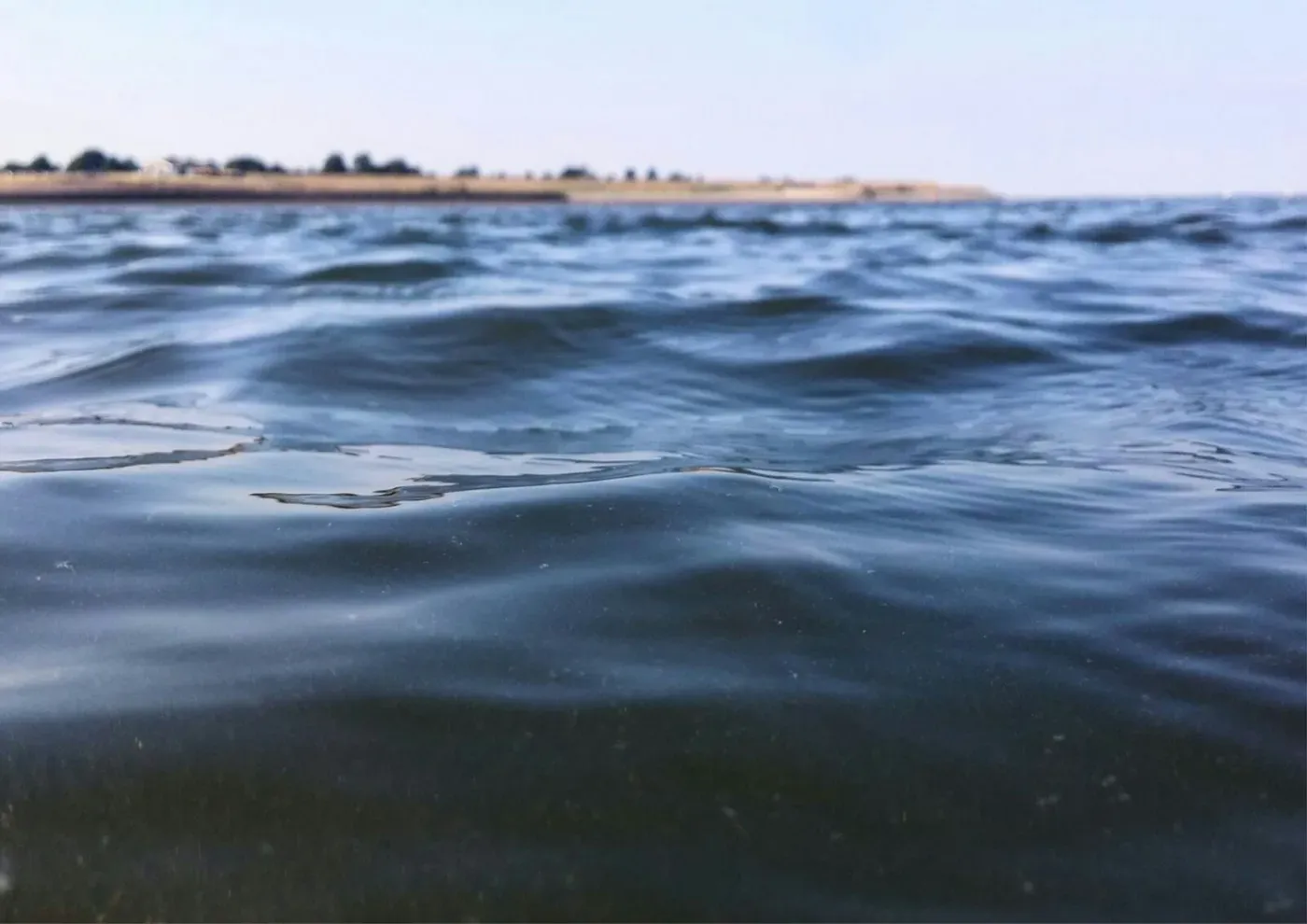
Rising global temperatures are causing sea levels to rise, affecting people who live far from the coast as well as those who reside in coastal areas. The impact of this phenomenon can be seen in various aspects of daily life, including food production and availability.
A significant portion of England's agricultural land is located in low-lying areas known as The Fens, which are prone to flooding due to their proximity to sea level. This region accounts for nearly half of the country's best agricultural land and contributes significantly to the nation's vegetable output.
The vulnerability of these areas to flooding has severe consequences for food production and availability. Saline water contamination can render the soil infertile, leading to a decline in crop yields and affecting the local economy.
Agricultural productivity is not the only sector affected by sea-level rise. The increased frequency and severity of floods in low-lying areas pose significant challenges to infrastructure development and maintenance.
The economic implications of these events are substantial, with damage to infrastructure and agricultural losses placing a heavy burden on taxpayers and governments.
The UK's agricultural sector is heavily reliant on a network of drainage channels, pumping stations, and flood defenses to maintain productivity. A breach in this system can have devastating consequences for crops and soil quality, rendering large areas unusable for years to come.
If the fertile Fens region were to be severely impacted by flooding, it would not completely eliminate homegrown produce from store shelves. However, the loss of this land would significantly increase reliance on imported food, which itself is vulnerable to disruptions caused by sea-level rise and other climate-related effects.
The majority of international freight transported by weight in the UK travels by sea, with over 80% of global merchandise trade relying on maritime routes. This means that even if a port is not directly affected by flooding, delays can still occur when goods bound for inland destinations are delayed due to disruptions at ports like Southampton or Shanghai.
Flooding does not need to occur directly in a port to cause widespread disruption; damage to connecting infrastructure such as railroads, roads, and warehouses can also have far-reaching consequences. Electrical substations and fuel distribution networks may be affected, leading to shortages and price increases that ripple through the economy and impact households.
The UK's extensive network of coastal energy facilities is particularly vulnerable to flooding, with three times more installations than any other European country. These include oil refineries, fossil fuel terminals, liquefied natural gas plants, and nuclear power stations, all of which can be severely impacted by floodwater or saltwater damage.
The potential for simultaneous damage to multiple facilities could disrupt fuel supplies, making it challenging to maintain reliable deliveries. This scenario is particularly concerning for major fuel terminals or electricity connections that are crucial for meeting daily energy demands. The impact would be felt not just in households but also in industrial production, where a steady supply of power and fuels is essential.
Damage to substations and network infrastructure can prevent power from reaching consumers, even if the underlying electricity generation continues uninterrupted. This situation has significant implications for household energy bills, as well as for industrial operations that rely on a stable and reliable electricity supply. The consequences would be far-reaching, affecting not only individuals but also businesses and industries.
The UK's defense infrastructure is also vulnerable to sea-level rise, with naval bases, dockyards, and other coastal facilities facing the threat of rising sea levels and storm surges. This poses challenges for maintaining access, operations, and the necessary infrastructure to support military capabilities. To address this issue, some sites may need to be relocated in the coming decades.
The effects of sea-level rise extend beyond national borders, potentially making the world a more dangerous place due to population displacement driven by climate pressures. As people are displaced, they place additional demands on humanitarian assistance and international cooperation, exacerbating existing political and security challenges.
The financial burden of sea-level rise is not limited to coastal communities but is felt nationwide as governments invest in protecting vulnerable areas, subsidizing flood insurance, and relocating infrastructure that can no longer be defended against rising waters.
These costs will trickle down to households and businesses through higher prices for food, energy, and imported goods. The loss of productive farmland due to flooding could lead to increased food prices, while disruptions to ports and transportation links may make it harder or more expensive to obtain essential goods from abroad.
The way forward lies in rapid emissions reductions to limit the extent of sea-level rise and its associated costs. However, current global policies are expected to result in a significant overshoot of 1.5°C warming threshold, putting us on track for around 2.8°C of warming instead.
This reality underscores the need for urgent action at international gatherings such as the upcoming U.N. climate summit in Turkey this November. The event will provide an opportunity to close the gap between promises made and the measures needed to mitigate the effects of sea-level rise.
The world has already warmed by 1.4°C, making continued sea-level rise inevitable despite efforts to reduce emissions. Consequently, adaptation strategies must be integrated into infrastructure design, including coastal defenses and sea walls, to minimize the impact of rising waters on communities inland and near the coast.
Rising sea levels pose a significant threat to communities inland and near the coast, but their impact extends far beyond these areas. Flooding can disrupt transportation systems, affecting routes used by people living in inland regions.
As water tables rise, freshwater sources become increasingly contaminated with saltwater, compromising drinking water supplies for those not directly exposed to coastal flooding.
Facts based on reporting originally published by Phys.org.
You may republish this story, in full or in part, if you credit News Central Site and link to it (licence CC BY 4.0). Photos are not included.