Porticoccus arcticus Bacteria Found in Arctic Ocean Utilize Acetone to Produce Energy
Researchers from Concordia University have discovered that Porticoccus arcticus bacteria incorporate carbon dioxide into their metabolism using acetone, a common chemical found in seawater.
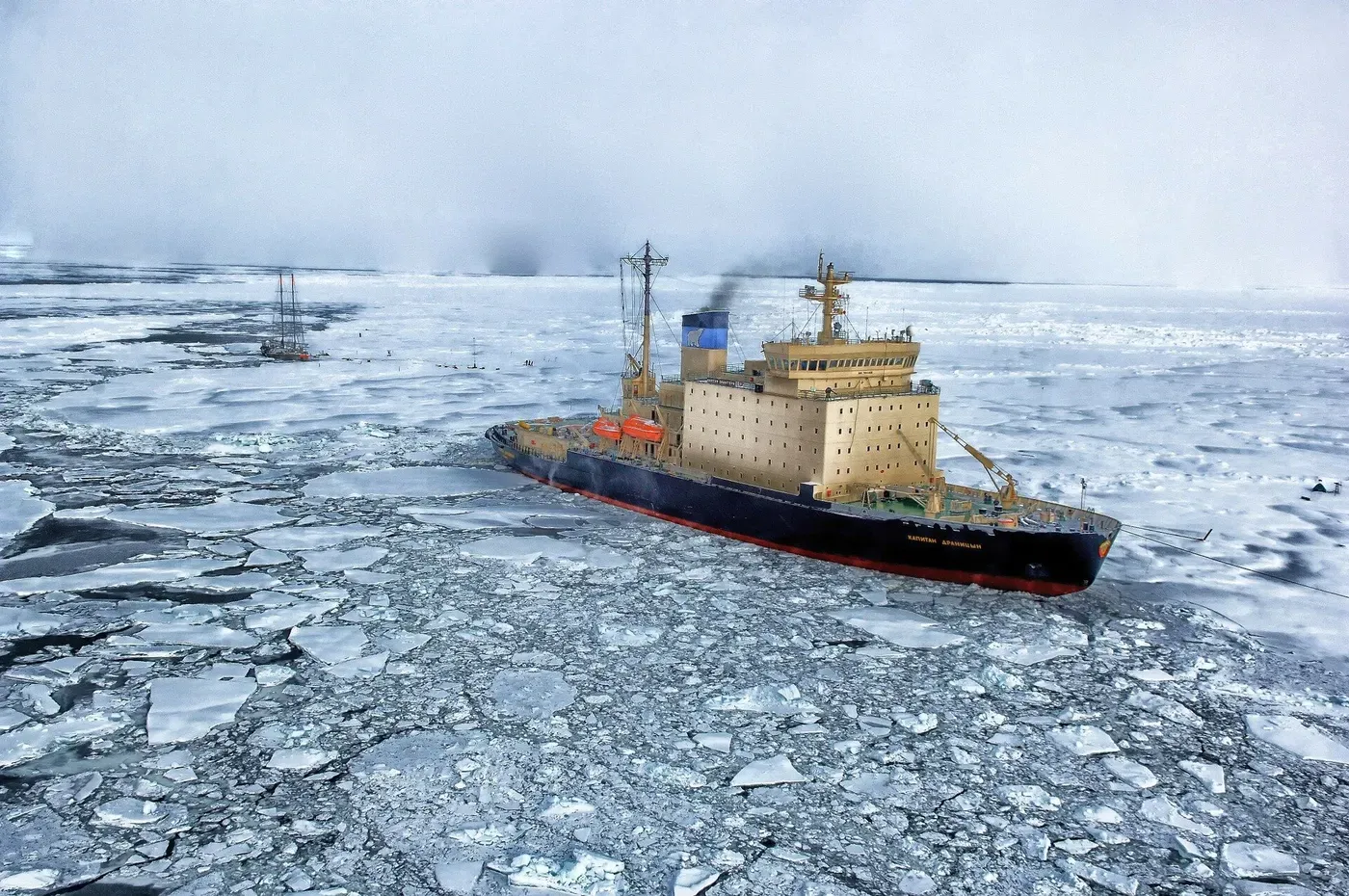
A newly discovered Arctic Ocean bacterium may have found an innovative way to produce its essential building blocks for growth in areas where nutrients are scarce.
Researchers from Concordia University have made a groundbreaking discovery about how Porticoccus arcticus survives in the frigid waters of the Beaufort Sea, located just north of the Yukon in the Arctic Ocean's Canada Basin.
Using acetone, a common chemical found in seawater, the bacteria incorporate carbon dioxide (CO₂) into their metabolism, allowing them to thrive in areas where other organisms struggle due to limited nutrients and organic matter.
The research team identified genomic evidence indicating that the bacterial population employs a process called acetone carboxylation. This unique process involves converting acetone and carbon dioxide into compounds that can be absorbed by the cell's central metabolic pathways.
This remarkable adaptation enables Porticoccus arcticus to exploit available light as an energy source, a phenomenon known as photoheterotrophy.
The Arctic Ocean is home to a diverse array of microorganisms, and recent research has shed light on one such species that has adapted to exploit available light as an energy source.
This remarkable adaptability enables Porticoccus arcticus to consume acetone, a compound produced by marine organisms, and use it to assimilate carbon dioxide from the atmosphere. This unique ability combines two distinct processes: animals consuming food, in this case acetone, and plants fixing CO₂ through photosynthesis.
Acetone is generated through various chemical reactions involving sunlight and dissolved organic matter in the ocean. While scientists have identified other pathways for marine bacteria to consume acetone, this study reveals a previously unknown mechanism specific to Arctic waters.
Genetic analysis suggests that P. arcticus has adapted to thrive near the ocean surface, where it constitutes up to 9% of detected bacteria at certain locations. This makes it an essential component of the Arctic microbial community.
The bacterium's relatively small genome contains all necessary genes for acetone carboxylation and multiple light-sensitive proteins called proteorhodopsins that facilitate energy capture from sunlight.
The presence of highly active genes involved in both acetone processing and light capture indicates that P. arcticus can harness sunlight as an energy source while supplementing its carbon supply through acetone metabolism and CO₂ assimilation.
Genomic analysis revealed a unique set of genes associated with acetone utilization, which was an unexpected discovery for the researchers.
The researchers behind this discovery are now looking into how a warming Arctic Ocean might impact the future distribution of P. arcticus.
Changing sea-ice conditions could affect sunlight availability and acetone levels in the ocean, potentially altering the bacterium's habitat.
Further research will also explore whether this unique behavior is present in other oceans or in freshwater bacterial populations.
Facts based on reporting originally published by Phys.org.
You may republish this story, in full or in part, if you credit News Central Site and link to it (licence CC BY 4.0). Photos are not included.