Rick Jackson Leverages Rags-to-Riches Story in Georgia Gubernatorial Campaign
Georgia Republican gubernatorial candidate Rick Jackson is using his personal story to appeal to voters and fund his campaign.

Georgia's Republican gubernatorial candidate Rick Jackson is leveraging his rags-to-riches story to appeal to voters, claiming that his wealth is "God's money and promising to fight for working-class Georgians.
Jackson's background differs significantly from that of Donald Trump, who was born into a wealthy family. In contrast, Jackson spent his early years bouncing through foster homes before launching his first business venture as a young man. His personal story has become a central part of his campaign.
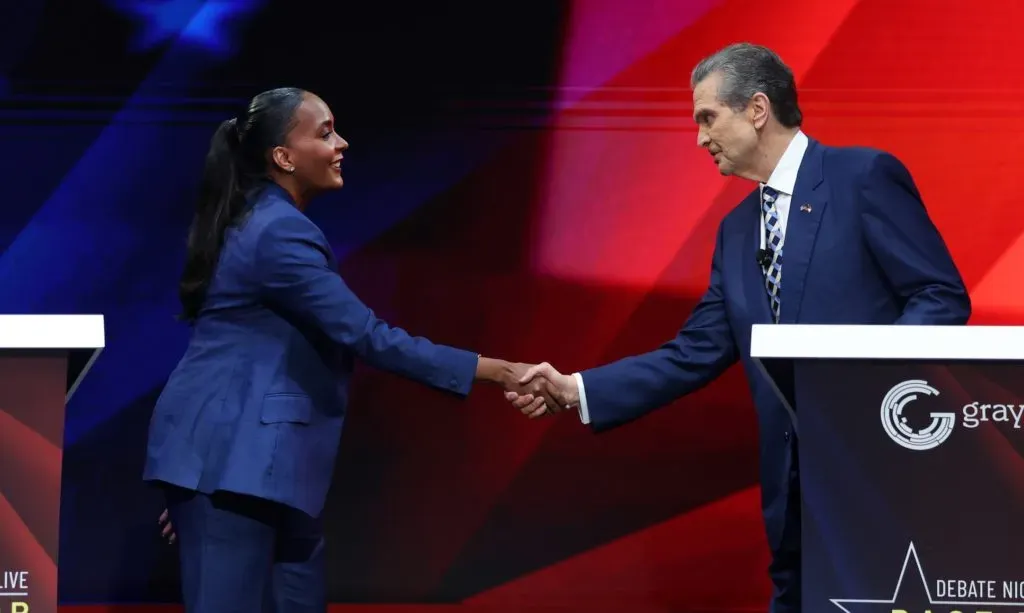
The 72-year-old healthcare magnate and investor wants to use both his similarities with Trump and his differences to win over voters. He is using his own wealth, estimated to be in the hundreds of millions, to fund his campaign. Jackson's bid for governor will be put to the test on November 3 against Democratic nominee Keisha Lance Bottoms.
Jackson's story has resonated with some voters, who see him as a self-made man who understands their struggles. However, his opponent, Bottoms, disputes his claim of being an advocate for working-class Georgians. Bottoms is a former mayor of Atlanta and sees Jackson's campaign as an attempt to exploit the state's swing vote.
Jackson plans to join Trump at a rally in Perry on Saturday, marking his second appearance with the president in recent weeks. The event highlights the significant role that Trump will play in supporting Jackson's candidacy in the final stretch of the election.
Jackson's personal story has been a central theme throughout his campaign, highlighting the challenges he faced growing up in foster care and eventually becoming a successful businessman.
He credits his resilience to overcoming adversity as a key factor in his ability to achieve success, which has enabled him to fund his gubernatorial campaign with nearly $200 million of his own money.
In a bid to connect with voters on an emotional level, Jackson often shares personal anecdotes about his difficult childhood and the struggles he faced growing up in foster care.
Jackson's campaign spending is staggering, with a reported $200 million invested so far. This massive outlay has raised eyebrows among many, but for Jackson it's simply a necessary investment in his vision for Georgia's future.
The Republican candidate believes that his wealth, which he refers to as God's money, should be used for the greater good. He sees himself as a steward of sorts, tasked with making a positive impact on the state and its people.
According to Jackson, his goal is to help 11 million Georgians who are struggling, and he believes that his campaign spending will ultimately benefit them. This altruistic approach has resonated with some voters, who see Jackson's wealth as a potential asset in his bid for governor.
Jackson entered the primary field as something of an outsider, despite having a well-known family business and lobbying interests in key areas like healthcare and tax policy. However, he quickly gained traction by embracing the Trump brand and pledging to deliver similar business solutions to Georgia.
After his runoff victory, Jackson's campaign tone shifted noticeably as he distanced himself from the earlier immigration-focused ad. The commercial was reworked to showcase a more family-friendly side of the candidate, featuring his grandchildren. In one segment, they watch an ad clip on their phones and react with concern, asking their grandfather why he looks mean in it.
The revised ad then cuts to Jackson's children and teenagers offering advice on how he can appear more relatable, suggesting a pickup truck, a dog, and a trendy wardrobe would improve his image. The message concludes with the candidate smiling, saying Let's make Georgia better together.
In an attempt to humanize himself further, Jackson has released another ad highlighting his philanthropic efforts in supporting foster children who age out of the system at 18. He expresses pride in these young adults and appears visibly emotional as he congratulates them on their achievements.
As part of his campaign platform, Jackson advocates for reducing taxes, regulations, and what he terms waste within state government. A key promise is to cut the state income tax by half within four years; if this goal cannot be met, he vows not to seek re-election in a second term. He also pledges to implement a balanced budget and conduct thorough audits of state spending.
Jackson has proposed expanding healthcare coverage without relying on Medicaid expansion under the Affordable Care Act. Instead, he suggests forming partnerships with private insurers to fund broader coverage, although this approach would require federal approval and significant financial commitments from Washington, something no state has achieved without expanding traditional Medicaid programs.
Georgia's Republican gubernatorial candidate Brian Kemp has been accused of trying to buy his way into office, but he claims he can fund his campaign and increase spending on education while also reducing taxes.
Kemp's platform includes increasing teacher salaries and investing in vocational education, which he believes will boost economic growth and create jobs. However, critics argue that his policies are out of touch with the needs of ordinary Georgians.
In a recent speech, Kemp distanced himself from President Donald Trump, reflecting Georgia's general election math and voters' growing frustration with the Iran war and inflation. This departure from his earlier stance may be an attempt to broaden his appeal to moderate voters.
Kemp has also been criticized for his comments on the economy, which have been seen as insensitive and out of touch. During a debate, he boasted that his plumber drives a Mercedes, while also suggesting that Atlantans feel unsafe even at gas stations during his opponent's tenure as mayor.
The gubernatorial candidate has been criticized for his wealth, but in a recent debate, he argued that his fortune is a result of divine providence, referring to it as God's money." This assertion has sparked controversy among voters who are concerned about the widening income gap and economic disparities.
At one of his campaign rallies, Debbie Satterfield, a 72-year-old supporter, expressed her admiration for Jackson's rags-to-riches story. She drew parallels between his life and her own experiences, highlighting the potential for upward mobility in America. Her endorsement serves as a testament to Jackson's ability to connect with voters from diverse backgrounds.
Facts based on reporting originally published by Fortune.
You may republish this story, in full or in part, if you credit News Central Site and link to it (licence CC BY 4.0). Photos are not included.