President Unveils Plan to Release Up to 50% of Those Arrested Under State of Emergency
El Salvador's President Nayib Bukele has unveiled a plan to release up to 50% of those arrested under the state of emergency declared in March 2022, citing a need to tackle violent criminal gangs.
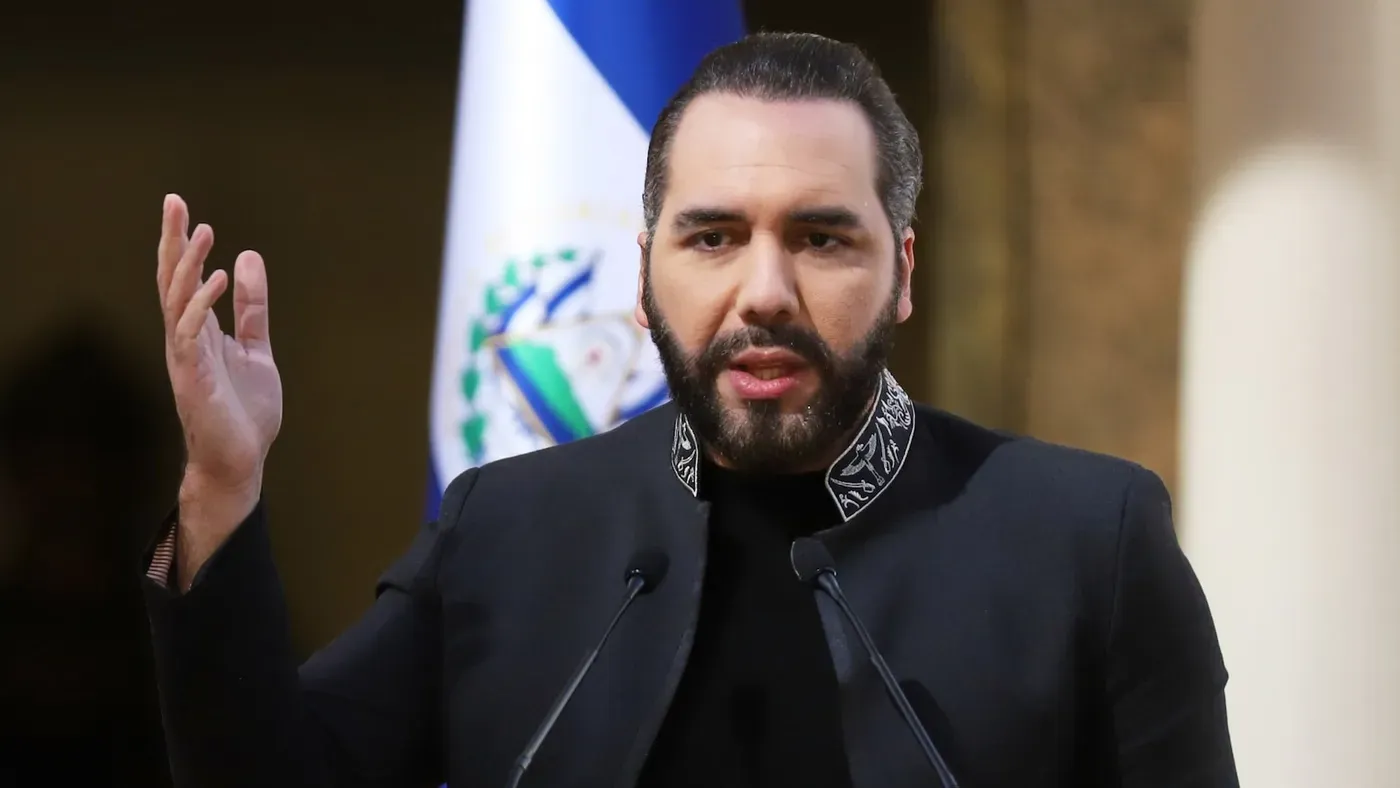
El Salvador's President Nayib Bukele has unveiled a plan to release up to 50% of those arrested under the state of emergency declared in March 2022. The move comes as part of an effort to tackle violent criminal gangs that have plagued the country.
The state of emergency has resulted in over 90,000 arrests since its inception, with authorities citing a need to suspend certain fundamental rights in order to crack down on gang activity. However, human rights groups have expressed concern over widespread arbitrary arrests and have repeatedly called for an end to the measure.
President Bukele has defended the state of emergency as necessary to combat warring gangs such as MS-13 and Barrio 18. Those who will be considered for release under his plan are individuals deemed to be gang collaborators, a term that can encompass anyone from lookouts to those making extortion payments.
The president's announcement was made on Tuesday night, with the focus of his plan apparently aimed at releasing those seen as having ties to these gangs. The exact details and implications of this move remain unclear for now.
The president's proposal to release up to 50% of those arrested during the state of emergency has sparked a mix of reactions from various quarters. While some see it as a step towards addressing human rights concerns, others believe that more needs to be done to rectify the situation.
According to President Bukele, many individuals who have been imprisoned were not necessarily committing crimes, but rather collaborating with gangs. He suggests that if authorities were to arrest everyone involved in such activities, they would have to detain nearly a quarter of the population.
Human rights organizations have documented numerous cases of abuses during the state of emergency. They have registered over 6,000 complaints and recorded at least 575 deaths in government custody. This has raised concerns about the treatment of detainees and the need for accountability.
Exiled Salvadoran lawyer Bertha Deleón has expressed skepticism about the potential release of prisoners, arguing that it does not go far enough to address the harm caused by prolonged imprisonment. She advocates for compensation for those affected, including physical and mental harm, family suffering, loss of work or studies, and reputational damage.
Critics of President Bukele's administration have voiced concerns over human rights abuses during the state of emergency, but he argues that these groups should prioritize the safety of victims of gang violence.
Bukele remains committed to maintaining the state of emergency for now, while also expressing his intention to eventually lift it.
Facts based on reporting originally published by ABC News International.
You may republish this story, in full or in part, if you credit News Central Site and link to it (licence CC BY 4.0). Photos are not included.