Nord Stream Pipeline Sabotage Trial Begins in Germany
A former Ukrainian army officer is on trial in Germany over a major act of sabotage that damaged the Nord Stream gas pipelines four years ago.
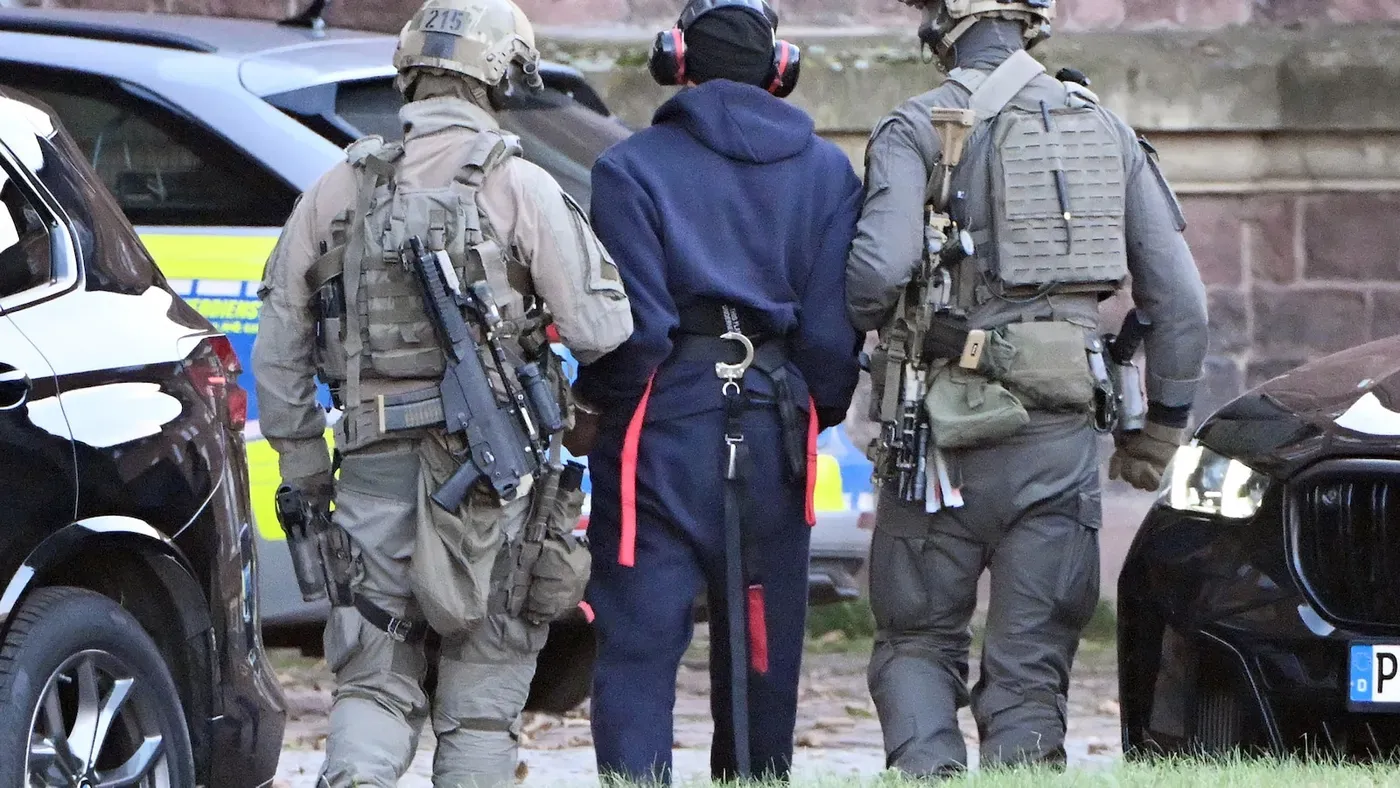
A former Ukrainian army officer has been put on trial in Germany over a major act of sabotage that damaged the Nord Stream gas pipelines between Russia and Germany four years ago. The incident occurred in September 2022, when undersea explosions severely impaired the pipelines' ability to transport Russian natural gas to Germany.
The suspect is facing serious charges, including causing an explosion, damaging property, disrupting public services, and being an accomplice to war crimes by attacking civilian infrastructure. German prosecutors have also accused the defendant of committing these acts in collaboration with others. The trial is a significant development in an investigation that has been ongoing for several years.
The suspect's identity will be protected under German privacy rules during the trial, where he will only be referred to as Serhii K. However, it was previously revealed in extradition proceedings in Italy that his full name is Serhii Kuznietsov. This discrepancy highlights the complexities of international investigations and the challenges of ensuring justice is served.
While initial suspicions pointed towards Moscow's involvement, investigators have increasingly considered the possibility that Ukrainian state security agencies may have been involved in the sabotage. This theory has raised eyebrows given Ukraine's close ties with Germany, one of its key allies. The trial will likely shed more light on these allegations and provide insight into the motivations behind this high-profile act of sabotage.
The trial is being held at the Hanseatic Higher Regional Court in Hamburg under strict security measures due to the sensitive nature of the case. As the alleged ringleader of the attack, the defendant's involvement has been pinpointed as central to the explosions that damaged the pipelines on September 26, 2022.
The sabotage of the Nord Stream pipelines has been attributed to a complex plot that involved disrupting gas deliveries and preventing Russia from using the revenues to finance its military operations.
Prosecutors claim the plan was designed to permanently disrupt gas supplies, which would have had significant implications for European countries struggling to wean themselves off Russian energy sources following the Kremlin's invasion of Ukraine in February 2022.
The alleged ringleader is accused of using a yacht that departed from Rostock, Germany, which had been rented using forged IDs and with the assistance of intermediaries. The vessel was used as part of the operation to carry out the sabotage.
The explosions damaged both Nord Stream 1, Russia's main natural gas supply route to Germany until Moscow cut off supplies in August 2022, and Nord Stream 2, which never entered service after Germany suspended its certification process before Russia's invasion of Ukraine.
The trial of a former Ukrainian officer accused of sabotaging the Nord Stream pipelines has continued to unfold, with new developments emerging in the case. A second suspect was taken into custody in August in the Croatian town of Pula on a European warrant, and he is now seeking asylum in Croatia to avoid being extradited to Germany.
The explosions that damaged both Nord Stream 1 and Nord Stream 2 pipelines had been widely criticized by the US and its allies as increasing Europe's dependence on Russian gas. Russia has made claims that the US and British intelligence agencies were involved in staging the blasts, with NATO also being accused of involvement in the attack. However, several Western countries initially pointed fingers at Russia.
Ukrainian President Volodymyr Zelenskyy has categorically denied any Ukrainian involvement in the pipeline explosions, dismissing allegations to this effect as unfounded. The German government has so far declined to comment on the trial, pointing out that no verdict has been reached and the case remains with the independent judiciary.
The trial is expected to continue through December 17, with additional court dates scheduled for January and February next year.
Facts based on reporting originally published by ABC News International.
You may republish this story, in full or in part, if you credit News Central Site and link to it (licence CC BY 4.0). Photos are not included.