Federal Reserve Interest Rate Decisions Show Limited Impact on Analyst Forecasts
A study found that stock market analysts tend to be unresponsive when adjusting their forecasts after Fed meetings, with only about one in five companies' price targets revised by analysts.
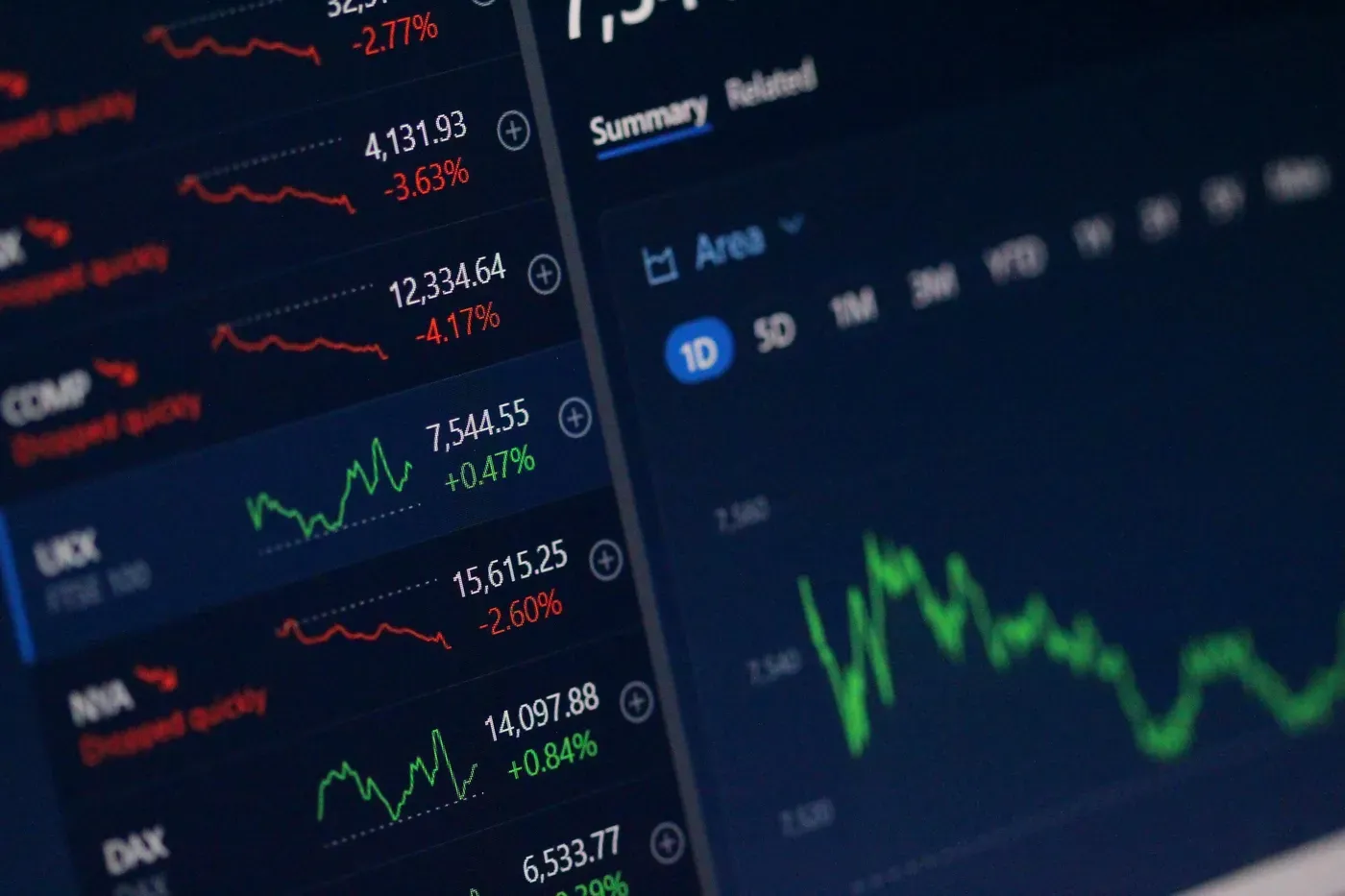
The US Federal Reserve's interest rate decisions have far-reaching consequences for consumers and businesses alike. When the Fed announces a change in its interest rate, people expect a ripple effect on borrowing costs and prices of goods such as housing and consumer products.
However, new research suggests that stock market analysts tend to be unresponsive when it comes to adjusting their forecasts after Fed meetings. Despite numerous meetings between 2000 and 2020 where the Fed raised or lowered interest rates, a study found that only about one in five companies' price targets were revised by analysts working at investment houses and brokerages.
The researchers from the University of Toronto's Rotman School of Management discovered that these targets lose accuracy after a Fed meeting. When interest rates rise, stock prices tend to fall, but analysts' forecasts often overestimate future prices. Conversely, when rates drop, stock prices increase, yet analysts underestimate their value.
A closer look at the data reveals that the prediction inaccuracy is more pronounced during periods of rate hikes. The researchers found that forecast accuracy decreased by about 13% when interest rates were raised. In contrast, a larger decline of over 16% was observed when rates were lowered.
The findings have significant implications for investors who rely on these forecasts to make informed decisions about buying or selling stocks. The study highlights the need for analysts to be more responsive and accurate in their price target revisions following Fed meetings.
The study's findings suggest that analysts' mistakes are not uncommon, and can be attributed to various factors. According to lead author Junhao Liu, a senior accounting lecturer at the University of Melbourne, analysts often make errors due to either intentional or unintentional reasons.
A closer examination of the data reveals that one primary cause of inaccuracy is analysts' failure to adjust the discount rate used in their forecasting models. This crucial component takes into account various factors such as risk, interest rates, and the cost of tying up capital over time, effectively converting a stock's future value into its present-day equivalent.
The study indicates that companies with high exposure to interest rates, including financial institutions and highly leveraged firms, are more susceptible to forecast inaccuracy following Fed meetings. Conversely, investment houses with macroeconomists on staff tend to exhibit less pronounced inaccuracies when it comes to predicting the impact of interest rate changes.
Notably, even top-performing analysts were unable to accurately adjust their forecasts after a Fed rate increase, which occurred 29 times during the studied period. However, these same analysts showed improved accuracy in forecasting around rate decreases, which happened 28 times.
The study's authors suggest that sell-side analysts may not be interpreting macroeconomic information accurately when adjusting their stock forecasts after Federal Reserve meetings.
A closer examination of these adjustments reveals a pattern where analysts tend to underreact to rate hikes and overreact to rate cuts. This is a concern because accurate forecasting is crucial for investors making informed decisions about their portfolios.
The research implies that analysts may be hesitant to adjust their price targets due to various constraints, such as the potential impact on their reputations or the difficulty of accurately assessing the interest rate change's effects.
Given the significant changes in monetary policy during and after the pandemic, these findings could provide valuable insights for investors seeking to navigate the market and for analysts striving to improve their forecasting accuracy amidst rapid shifts in interest rates.
The study suggests that sell-side analysts tend to adjust their target-price forecasts inadequately after Federal Reserve meetings, indicating a potential disconnect between market expectations and actual monetary policy changes.
This disparity could have significant implications for investors navigating the market, as it may lead to inaccurate price predictions and poor investment decisions.
Facts based on reporting originally published by Phys.org.
You may republish this story, in full or in part, if you credit News Central Site and link to it (licence CC BY 4.0). Photos are not included.