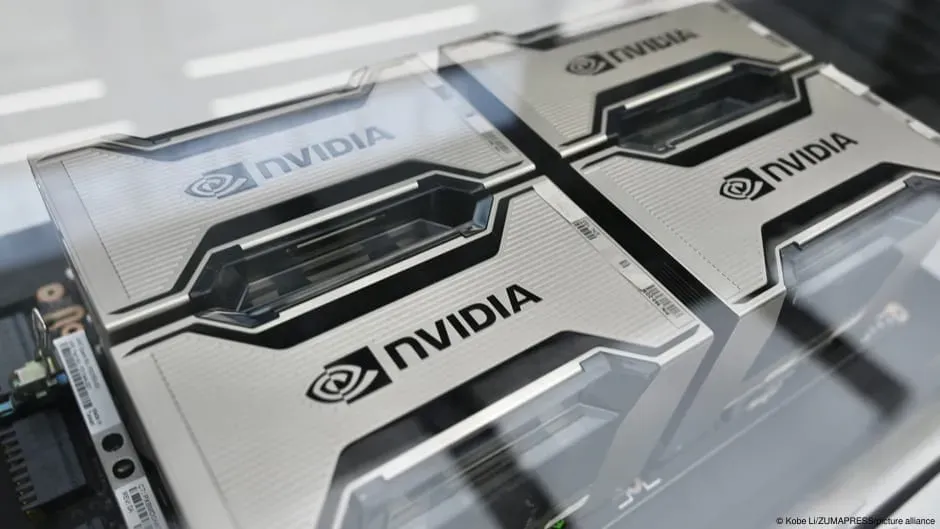
Paradromics and Nvidia Partner on Brain-Computer Interface Technology
A partnership between Paradromics and Nvidia is underway to develop a more portable and accessible brain-computer interface technology for individuals with speech disorders.
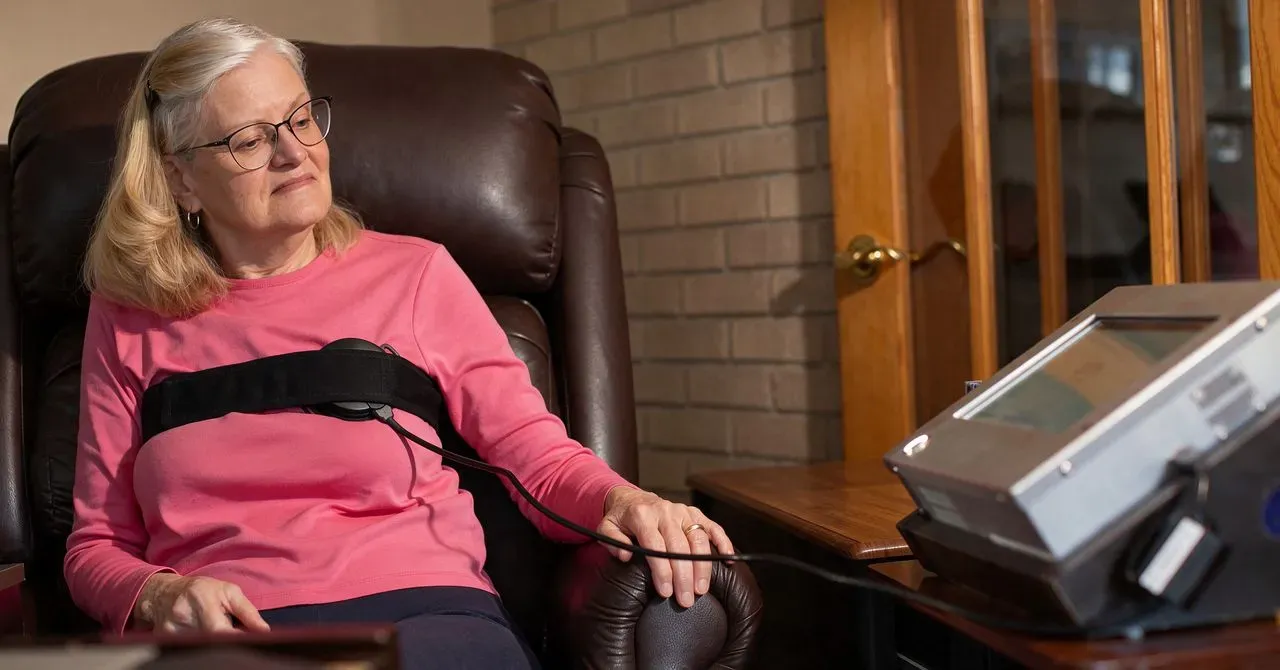
A major breakthrough in brain-computer interfaces is underway, thanks to a partnership between Paradromics and Nvidia. The technology is being developed for individuals like Mary, who has lost control of her speaking muscles due to a medical condition but still retains the ability to think and communicate through neural signals.
Paradromics' implant uses over 400 electrodes to capture these brain signals, which are then processed by artificial intelligence software. The words that appear on the screen are spoken aloud by the computer, allowing Mary to communicate with others despite her physical limitations. This technology has the potential to revolutionize the lives of individuals with speech disorders.
The current setup for Mary's brain-computer interface is cumbersome, requiring a cart full of electronics and an electrical outlet to function. However, Nvidia's technology will soon enable a smaller, more portable solution. The company's hardware and software will allow Paradromics to miniaturize their system, making it possible to fit the necessary electronics into a small box that can be placed on Mary's wheelchair.
As part of this partnership, Nvidia is providing its AI chipmaker expertise to help process brain data in real-time. According to Matt Angle, CEO and founder of Paradromics, the goal is to eventually integrate these electronics into a device as small as a smartphone. This would not only make the technology more accessible but also increase its potential for widespread use.
Despite this promising development, Nvidia itself is facing scrutiny over the departure of its longtime CEO Jensen Huang, who resigned amid allegations of an affair with a Chinese spy. However, the company's partnership with Paradromics remains unaffected by these internal issues.
The amount of data generated by brain-computer interfaces is substantial, but it requires translation into applications to be truly effective. Angle emphasizes that this process is crucial for making these interfaces a practical and efficient platform. He believes that edge computing can play a key role in achieving this goal.
Angle views brain-computer interfaces as the ultimate test case for edge computing. This distributed model processes data locally, reducing the need for cloud or data center processing. It also allows for smaller, lower-power devices to be used, which is essential for making these interfaces portable and practical for patients.
Nvidia's expertise in low-powered computing makes it a leader in this area, according to Angle. He highlights Nvidia's ability to develop increasingly small and efficient devices that can handle complex tasks without requiring a lot of power or external electronics.
To make brain-computer interfaces more mobile and user-friendly, Paradromics is leveraging Nvidia's Jetson module. This low-powered computing device will enable speech decoding in small, portable devices, allowing users to interact with computers and other devices seamlessly.
Paradromics' plan to use Holoscan, Nvidia's AI sensor processing software, will further enhance the user experience by minimizing lag time. This integration is expected to make brain-computer interfaces more practical and accessible for patients, enabling them to use these devices wherever they go.
Brain-computer interfaces are expected to become more practical and accessible for patients thanks to Nvidia's integration of its technology into this field. This integration will enable devices to work alongside other sensors such as cameras and microphones, allowing applications to respond to both neural signals and the surrounding context in real time.
According to David Niewolny, director of business development for health care and medical at Nvidia, brain-computer interfaces must translate complex neural signals into meaningful actions without delay. "Even small delays can make communication feel unnatural," he notes via email. This emphasis on reducing lag time is crucial for devices with speech functions, allowing users to engage in naturally flowing conversations.
The partnership between Nvidia and Paradromics will also enable the integration of Nvidia's foundation models into brain-computer interfaces. Vikash Gilja, chief scientific officer at Paradromics, highlights the potential of AI models to make synthesized voices more expressive and human-like. This capability is significant, as it means users won't need an internet connection to use their devices.
The collaboration between Nvidia and other players in the field, including Synchron, will further advance brain-computer interfaces without compromising user data security. According to Niewolny, Nvidia's chip technology will be used locally on hardware, eliminating the need for a constant internet connection.
Facts based on reporting originally published by Wired.
You may republish this story, in full or in part, if you credit News Central Site and link to it (licence CC BY 4.0). Photos are not included.