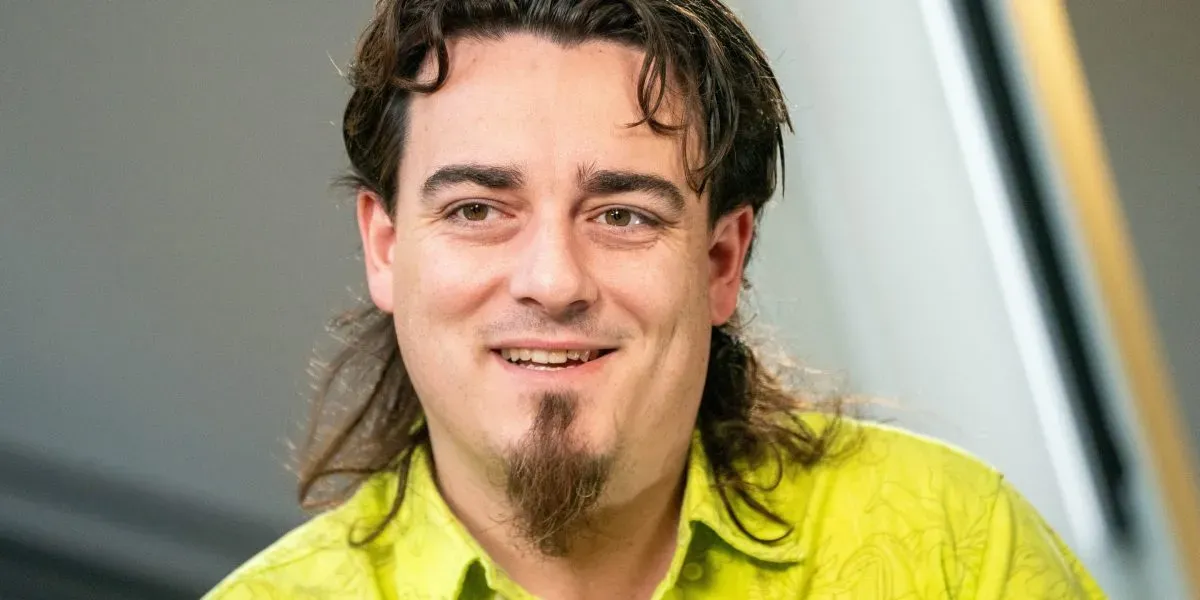
Palmer Luckey promotes concept for self-sustaining seastead called SLAB
The Oculus founder believes SLAB would allow corporations to thrive without being held back by restrictive rules, and is part of the broader seasteading movement seeking to create floating cities and communities on the ocean.
Palmer Luckey's latest venture has sparked curiosity among tech enthusiasts and libertarians alike. The Oculus founder is promoting a concept called SLAB, an informal plan for a self-sustaining seastead designed to last for over a thousand years.
SLAB would function as a sovereign city state, exempt from laws and government regulations that Luckey believes stifle innovation. According to him, this approach would allow corporations to thrive without being held back by restrictive rules. He emphasizes that SLAB is not just about creating a floating data center, but rather an entire community with its own governance.
Luckey's vision for SLAB is part of the broader seasteading movement, which seeks to create floating cities and communities on the ocean. While some proponents aim to escape the constraints of traditional societies, Luckey's focus is on strengthening America by creating a "relief valve from outdated rules and regulations. This approach has garnered attention and sparked debate within the seasteading community.
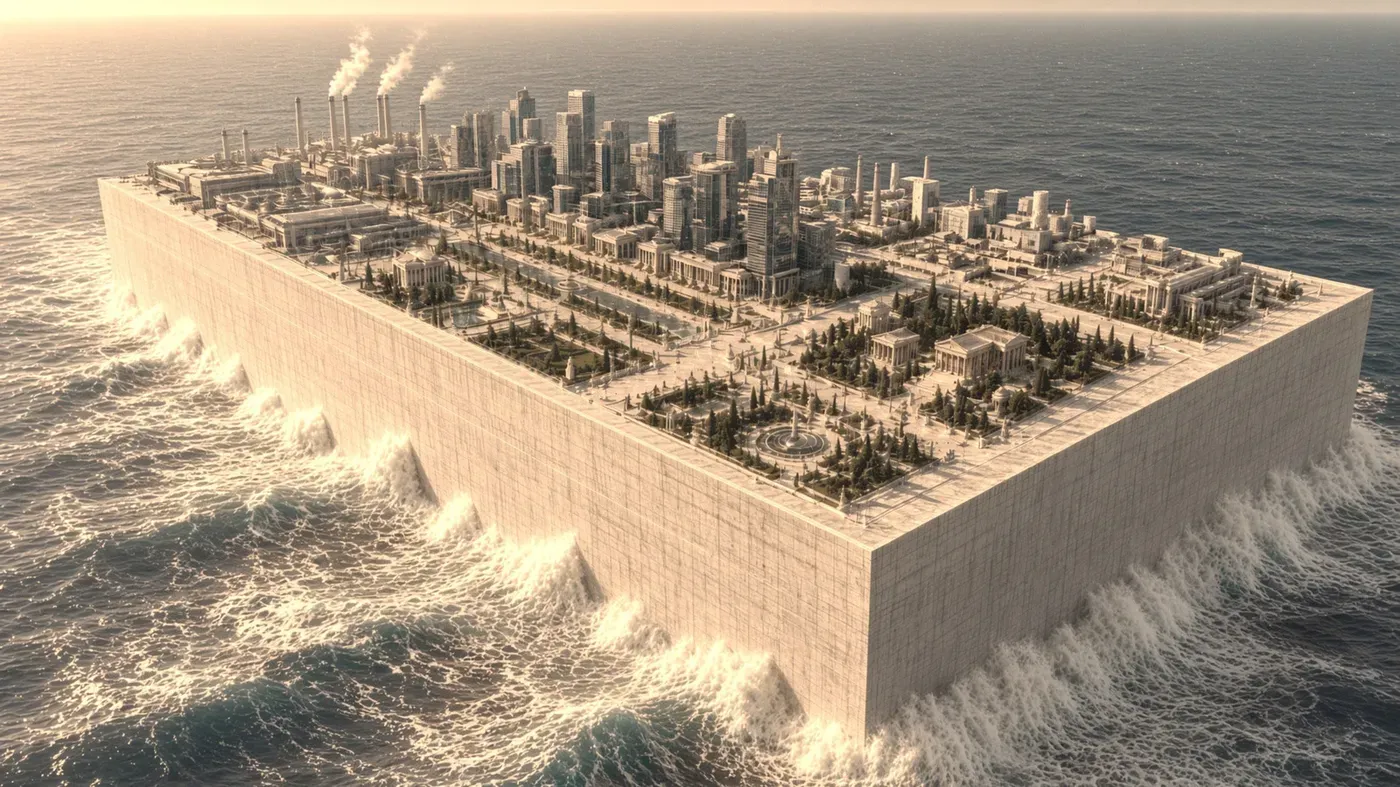
The concept of SLAB has raised questions about its practicality and purpose, with some wondering if it's merely a rehashing of familiar ideas. An initial AI-rendered image depicts a massive artificial island with various structures, including what appears to be an office complex and a refinery.
The concept of seasteading has been gaining traction in recent years, particularly among tech entrepreneurs who see it as a way to create their own city-states outside of traditional government regulations.
A key aspect of this vision is the idea that by building a floating structure far out at sea, one can establish a new community with its own laws and governance. This concept has been championed by figures such as Peter Thiel and Joe Lonsdale, who have long touted its potential for innovation and growth.
However, actual seasteads are still in short supply, with few examples to speak of beyond the notorious Sea Island, which was once eyed by piracy site Pirate Bay as a possible base of operations. Luckey's own project, SLAB, is one notable exception, aiming to create a self-sustaining community that can thrive despite restrictive local laws.
Luckey has emphasized the importance of creating an environment where industries like metal processing and medical research can flourish without being hindered by state or local regulations.
The SLAB seastead project's goals are becoming increasingly unclear as Palmer Luckey attempts to clarify its purpose. He has been fielding questions from reporters who identify themselves as Liz Hoffman and Reed Albergotti of Semafor, leading him to release more information about the project sooner rather than later.
Luckey's responses suggest that he is eager to dispel any misconceptions about SLAB, with one reporter describing it as a floating AI data center. However, Luckey counters this characterization by saying that his project is actually much more innovative and ambitious. He even goes so far as to tweet that the project is way cooler than that" and "way older than that," implying that he is trying to manage public perception.
In any case, it seems clear that SLAB has generated significant interest and scrutiny, with Luckey feeling compelled to address these questions head-on. By releasing more information about his project, Luckey may be attempting to build momentum and excitement around SLAB, but the project's ultimate goals and implications remain uncertain.
Facts based on reporting originally published by Engadget.
You may republish this story, in full or in part, if you credit News Central Site and link to it (licence CC BY 4.0). Photos are not included.