Oyster Reefs Estimated to Yield $12 Trillion in Ecosystem Goods and Services Each Year
A new study calculates that fully restored oyster reefs in top hotspot countries worldwide would yield a staggering $12 trillion in ecosystem goods and services each year.
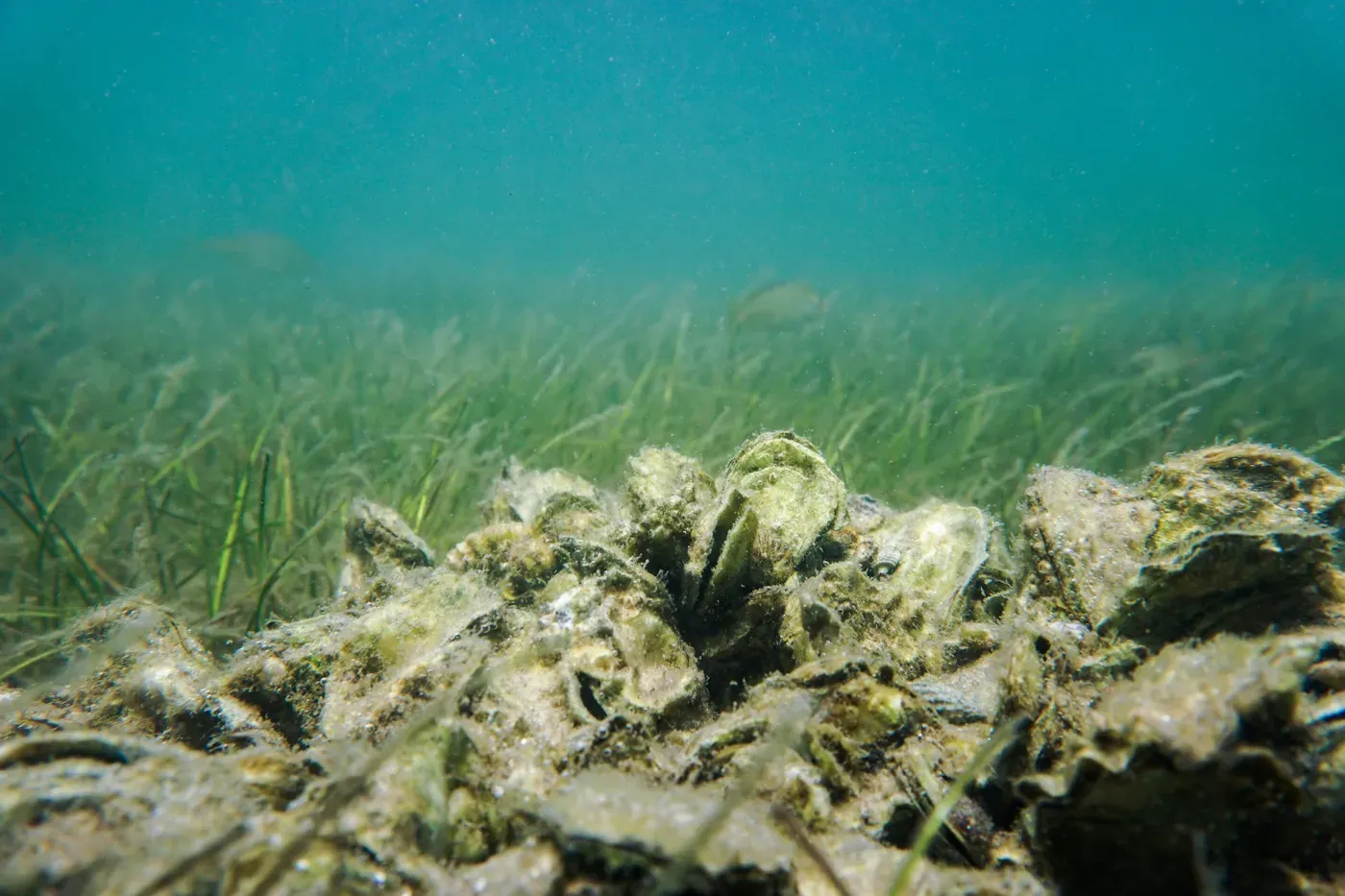
The world's oyster reefs are a vastly underestimated and underutilized resource, according to a new study that calculates their potential gross ecosystem product (GEP). The researchers estimated that fully restored oyster reefs in the top 10 hotspot countries worldwide would yield a staggering $12 trillion in ecosystem goods and services each year. This figure highlights the importance of these underwater ecosystems for planetary health.
The study's authors, led by Dr. Matteo Convertino from Tsinghua University, emphasized that oyster reefs play a crucial role in maintaining human well-being. To unlock their full potential, however, these delicate ecosystems need to be restored and protected from threats such as overexploitation, pollution, and climate change.
The United Nations' Sustainable Development Goal "Life below water recognizes the importance of conserving coastal and marine resources for human well-being. Unfortunately, oyster reefs are under growing pressure due to human activities. In fact, an estimated 85% of these underwater ecosystems have been lost over the past century, particularly in estuaries and river deltas.
The loss of oyster reefs has significant implications for planetary health. These ecosystems provide a range of ecosystem goods and services, including water filtration, coastal protection, and nursery habitats for marine species. By restoring and protecting oyster reefs, we can help maintain these essential services and contribute to the achievement of the Sustainable Development Goal Life below water.
To realize the full potential of oyster reefs, governments and stakeholders must work together to develop effective management strategies and conservation plans. This will require a coordinated effort to protect and restore these vital ecosystems, ensuring their continued provision of ecosystem goods and services that support human well-being.
A team of scientists has been studying the potential value of oyster reefs around the world if they were better managed. To do this, they first identified areas where oyster reefs could naturally occur and where restoration efforts would be most effective.
In addition to providing a source of food for humans, oyster reefs offer several other essential ecosystem services. These include filtering water, protecting shorelines from erosion, recycling nutrients through the food chain, and storing carbon. They also serve as habitats for numerous fish and invertebrate species.
To determine which areas would be most suitable for oyster reef development, the researchers combined data on environmental factors such as temperature, salinity, light levels, nutrient availability, and oxygenation. This information was used to calculate a habitat suitability score for each location.
Any area with a suitability score of 65% or higher was considered potentially viable for oyster reefs. By combining this score with an estimate of the ecosystem services that could be provided in each location, the researchers calculated an ecopotential" rating for each site.
The analysis revealed that ten countries have the greatest potential to support oyster reef development: the US, Australia, Chile, China, Japan, South Korea, Argentina, France, Germany, and Italy. These nations contain approximately 295,000 square kilometers of suitable coastal areas, accounting for around 6% of their total coastlines.
These regions are characterized by a combination of environmental factors that support oyster reef growth and ecosystem health. The researchers identified these areas as being well-suited for restoration efforts aimed at protecting and enhancing the benefits provided by oyster reefs.
The team's findings highlight the importance of effective management and conservation strategies for oyster reefs in these hotspot nations. This will involve a combination of protection, restoration, and sustainable use practices to maximize the benefits that these ecosystems can provide.
By focusing on areas with high ecopotential ratings, conservation efforts can be targeted towards regions where they are likely to have the greatest impact.
The world's oyster reefs are vastly underutilized, occupying just 10% of areas where they could thrive. This scarcity is particularly evident in regions such as lagoons and bays, estuaries and river deltas.
A significant proportion of suitable habitats for oyster reefs remains unprotected. Currently, only a quarter of these areas receive some form of marine conservation efforts.
If fully utilized, the potential benefits of oyster reefs are staggering. In countries like the United States, Australia, and Chile, these ecosystems could filter enormous volumes of water each year, 77.58 quadrillion liters in the U.S., 69.92 quadrillion liters in Australia, and 46.58 quadrillion liters in Chile.
The potential value of oyster reefs extends beyond water filtration to other ecosystem services such as carbon sequestration and nitrogen removal. In the United States alone, these benefits could amount to a substantial $25.1 billion annually.
However, experts caution that estimates may be subject to fluctuations in oyster populations over time or the impact of climate change. Significant conservation efforts would be required to restore habitats and protect oyster reefs from degradation.
The potential of oyster reefs to contribute to planetary health is significant, but their management is crucial to unlock this value.
Better management practices could lead to an expansion of oyster reefs in certain regions where conditions are more favorable for growth and dispersal. Countries that may experience such benefits include Australia, Indonesia, South Korea, Japan, and France.
Effective conservation efforts would be necessary to restore habitats and protect these ecosystems from degradation, ultimately realizing the estimated $12 trillion worth of planetary health benefits each year.
Facts based on reporting originally published by Phys.org.
You may republish this story, in full or in part, if you credit News Central Site and link to it (licence CC BY 4.0). Photos are not included.