Outbreak linked to contaminated lettuce raises concerns about produce safety
A recent outbreak of foodborne illness has been linked to contaminated iceberg lettuce, highlighting the need for improved methods of washing and processing produce.
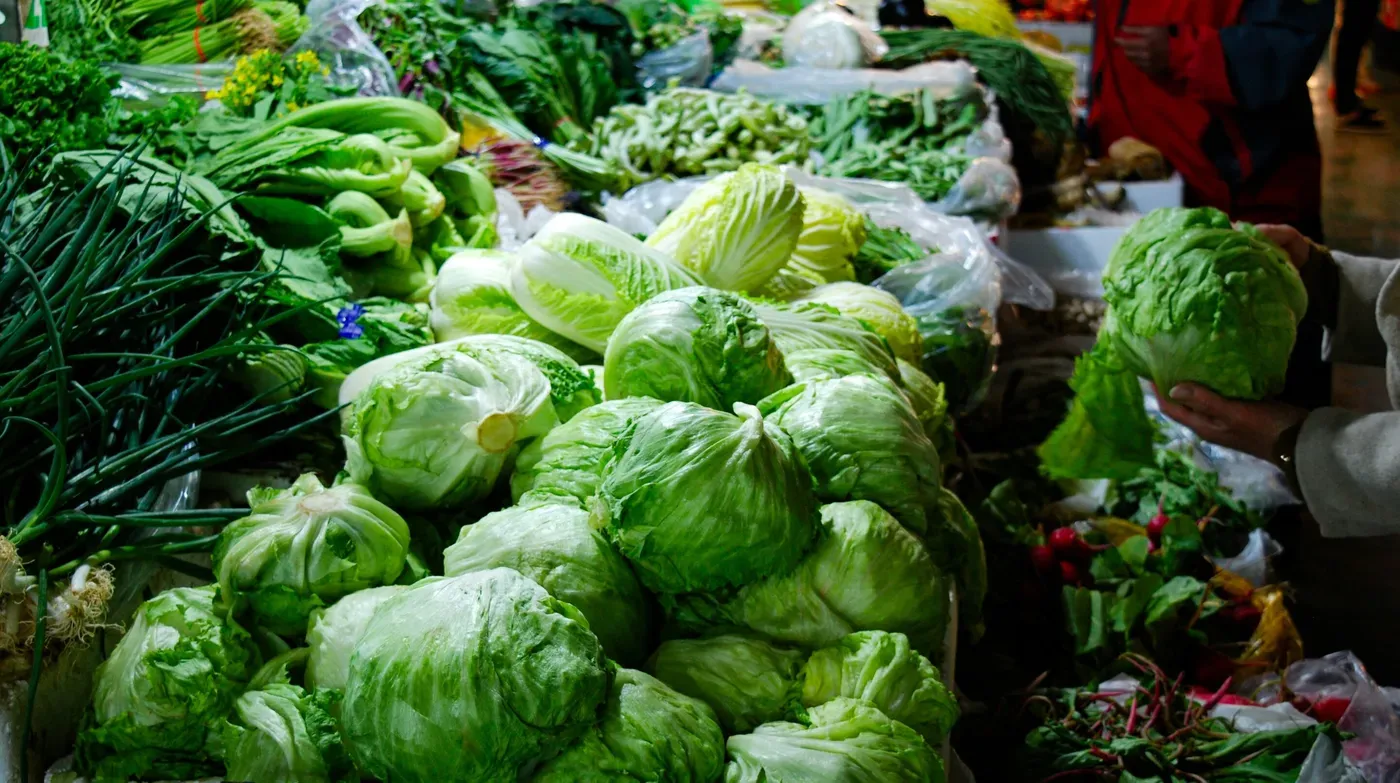
A recent outbreak linked to contaminated iceberg lettuce has raised concerns about the safety of produce, particularly among consumers who rely on "triple-washed products for protection against foodborne illness. However, industrial washing may not be enough to eliminate pathogens that have already taken hold on produce.
Researchers at the University of Southern California are exploring a critical aspect of food processing: the chemical reactions between disinfectants and food itself. These interactions can create new compounds whose effects on human health remain poorly understood.
According to Adam Simpson, an assistant professor in civil and environmental engineering at USC Viterbi School of Engineering, food processing is often treated as an industrial process that involves manipulating chemical groups within food matrices. This manipulation can lead to the incorporation of chemicals into food itself.
Food safety testing typically focuses on detecting known contaminants like pesticides or PFAS on a food's surface or within its tissues. However, Simpson's research takes a different approach by examining transformation products - new compounds formed when processing chemicals react with proteins, fats, and other components of food.
The creation of these transformation products highlights the complex chemistry involved in food processing, which can have significant implications for human health. Further study is needed to fully understand the risks associated with these newly formed compounds.
The structure of food is a complex entity known as the food matrix, which determines how disinfectants interact with food at the molecular level. This interaction can lead to the formation of new compounds that may not be immediately apparent.
Research has shown that chlorine-based disinfectants can alter amino acids and fats in food, resulting in the creation of chlorotyrosines and fatty acid chlorohydrins. These compounds can become embedded within proteins and fats until digestion takes place, potentially leading to undetected residues.
When tree nuts are bleached with sodium hypochlorite, a common disinfectant ingredient, researchers have found that it produces fatty acid chlorohydrins. A recent study published in the Journal of Hazardous Materials examined these compounds' effects on cells.
The study's findings suggest a potential health risk to consumers, but further research is needed to understand how the body metabolizes these compounds and whether they cause long-term harm.
As part of ongoing research, Simpson's lab has partnered with the Southern California Center for Chronic Disease Research and Prevention to test synthesized fatty acid chlorohydrins on hepatocytes, which are the primary functional cells of the liver.
The research aims to understand how food-safety chemicals interact with different types of food.
Simpson's findings suggest that disinfectants do not have a uniform effect on all foods, and this could explain why some studies produce conflicting results.
A recent study looked at the impact of chlorine treatment on chicken, beef, fish, and raw milk, expecting to see an increase in chlorotyrosines and fatty acid chlorohydrins.
However, the researchers found that these compounds were already present in significant amounts in meat and fish before treatment, with standard chlorine doses adding little more.
This unexpected result highlights the complexity of food chemistry and the limitations of extrapolating findings from one type of food to another.
The formation of these chemical byproducts can be influenced by various factors, including how food is prepared.
The use of chemicals in food processing has raised concerns about their impact on human health. However, the triple-washed label, which implies a certain level of cleanliness, does not necessarily guarantee that the food has been treated with standardized processes.
Chemical concentrations and contact times can vary significantly among different processors and products. This lack of standardization raises questions about the effectiveness of these treatments in ensuring food safety.
Researchers are now examining the potential long-term effects of transformation products on human health. These byproducts, formed when chemicals interact with food, may pose a risk to consumers even if they are present in low quantities.
The use of chemicals primarily for aesthetic purposes has been questioned by some experts. For instance, tree nuts and whey protein are often bleached with chlorine or similar oxidants to enhance their appearance, despite having no nutritional value.
The debate surrounding the use of chemical oxidants in food processing centers on balancing short-term safety against potential long-term health risks. While these chemicals may be effective in preventing foodborne illnesses, their impact on human health over time is still not well understood.
Experts emphasize that eating fresh produce, whether organic or nonorganic, is generally a healthier option than relying solely on processed foods. However, the use of chemical oxidants during processing can leave a hidden chemical memory" in the food's chemistry, which may have unintended consequences for human health.
The study found that when tree nuts are treated with sodium hypochlorite to remove bacteria and extend shelf life, a toxic compound called fatty acid chlorohydrin forms as a byproduct.
This chemical can leach into the food's chemistry, potentially leading to unintended health consequences for consumers.
Facts based on reporting originally published by Phys.org.
You may republish this story, in full or in part, if you credit News Central Site and link to it (licence CC BY 4.0). Photos are not included.