Nvidia Quarterly Earnings Report Set for Release
The chipmaker is set to release its quarterly earnings report on Tuesday, providing a glimpse into its financial health after a tumultuous period.
Nvidia's quarterly earnings report is set to be released on Tuesday, providing a glimpse into the company's financial health after a tumultuous period. The chipmaker has seen its stock price plummet 35% from its peak last month, wiping out nearly $2 trillion in market value and sparking widespread concern among investors.
The AI industry, which Nvidia is at the forefront of, is now under scrutiny as the company struggles to reassure investors. If Nvidia fails to deliver a convincing earnings report, it could have far-reaching consequences for the entire sector, potentially dragging other companies down with it. The stakes are high, and investors are anxiously waiting for news.
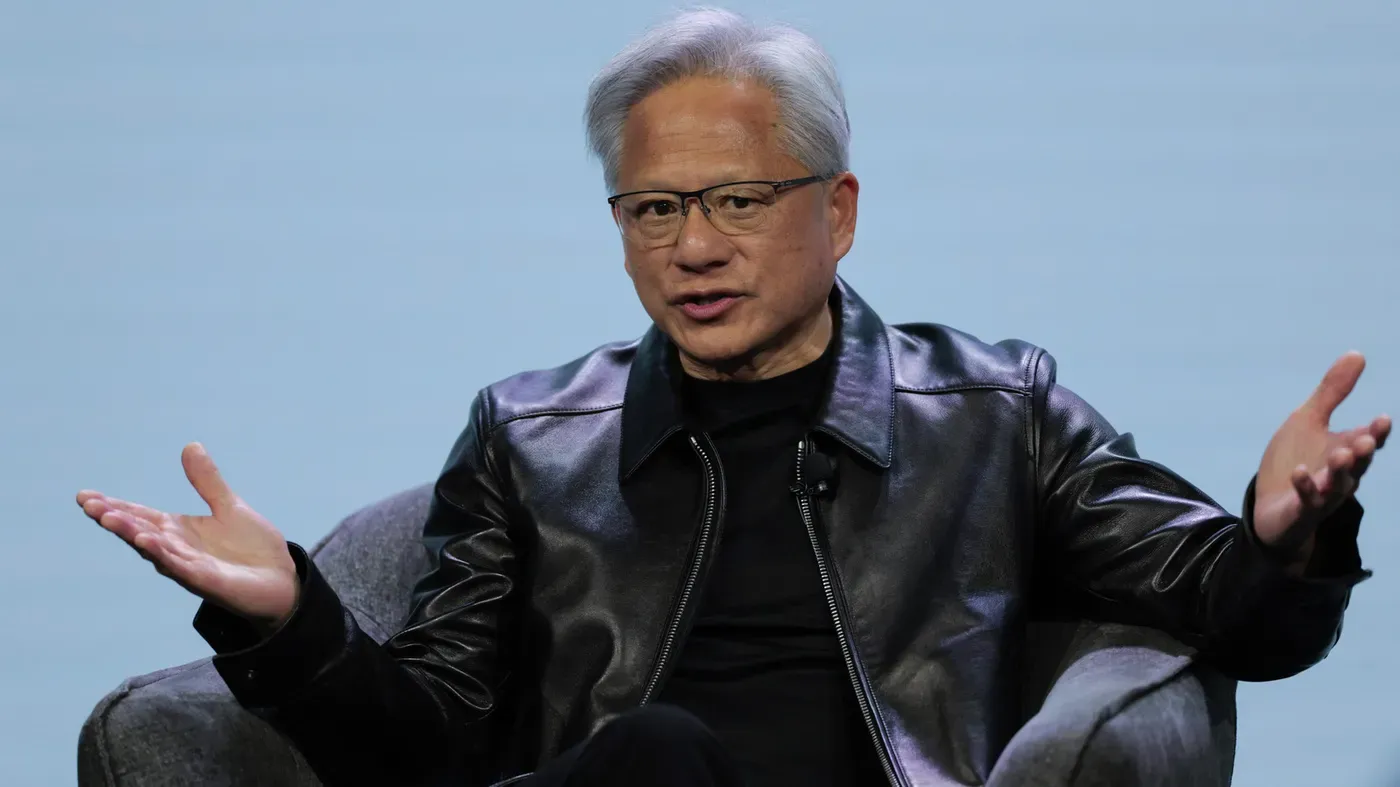
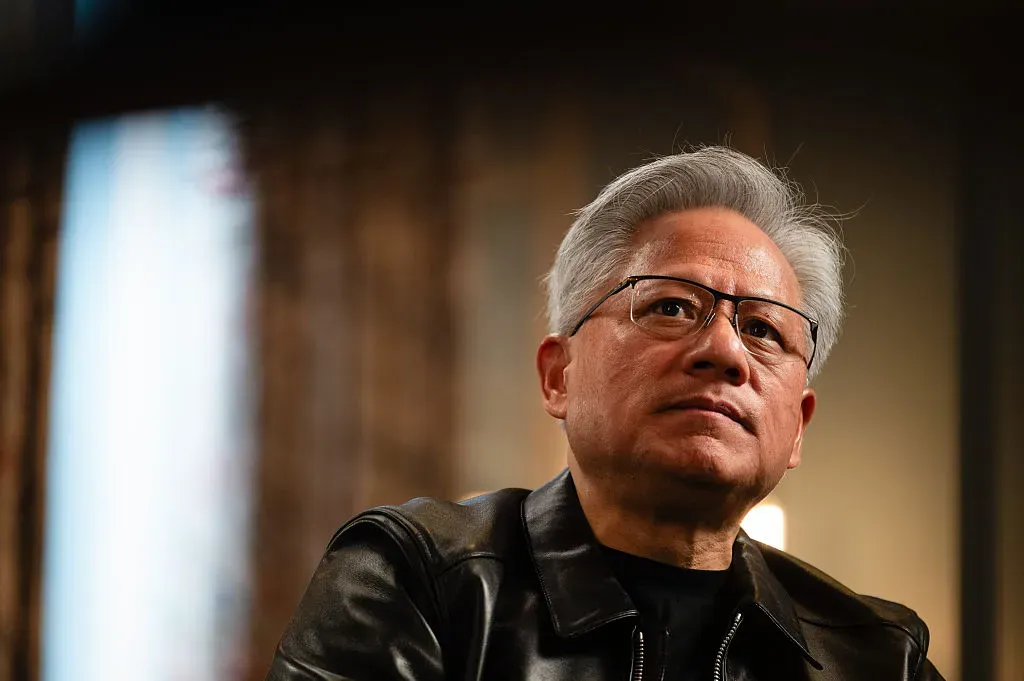
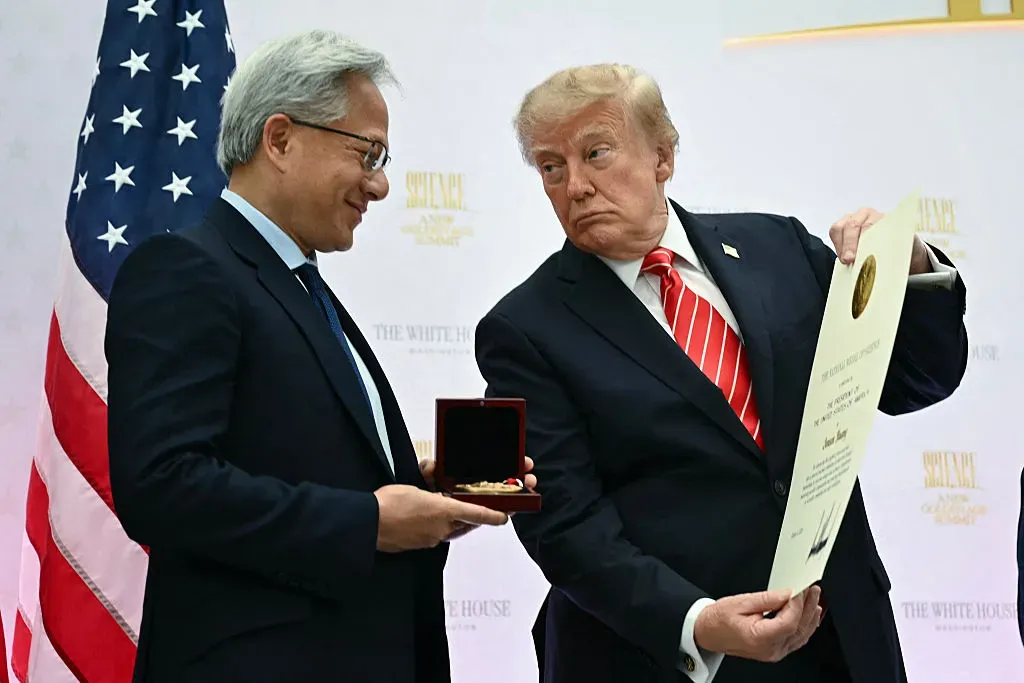
Jensen Huang's sudden departure from the CEO position has left a power vacuum at Nvidia, which he founded. In a statement, Huang pledged to return as CEO if the board of directors deemed it in the best interest of shareholders and the country. However, despite calls from influential figures including President Donald Trump, the board has yet to make a decision.
The Securities and Exchange Commission is investigating Nvidia over allegations that the company misled investors. This probe adds to the growing list of concerns surrounding the chipmaker's financials and business practices. The investigation is also fueling fears about potential national security implications arising from Nvidia's involvement in illegal export deals.
Colette Kress, Nvidia's finance chief and interim CEO, will be under intense scrutiny as she attempts to convince investors that the company is on a stable trajectory. Market confidence has been shaken by supply chain backlogs for advanced chips and servers, which are critical components of AI infrastructure and large language models.
Nvidia's strategic maneuvering under Huang has made it a crucial player for AI labs and data centers, not just by supplying hardware but also by providing financial backing through various means.
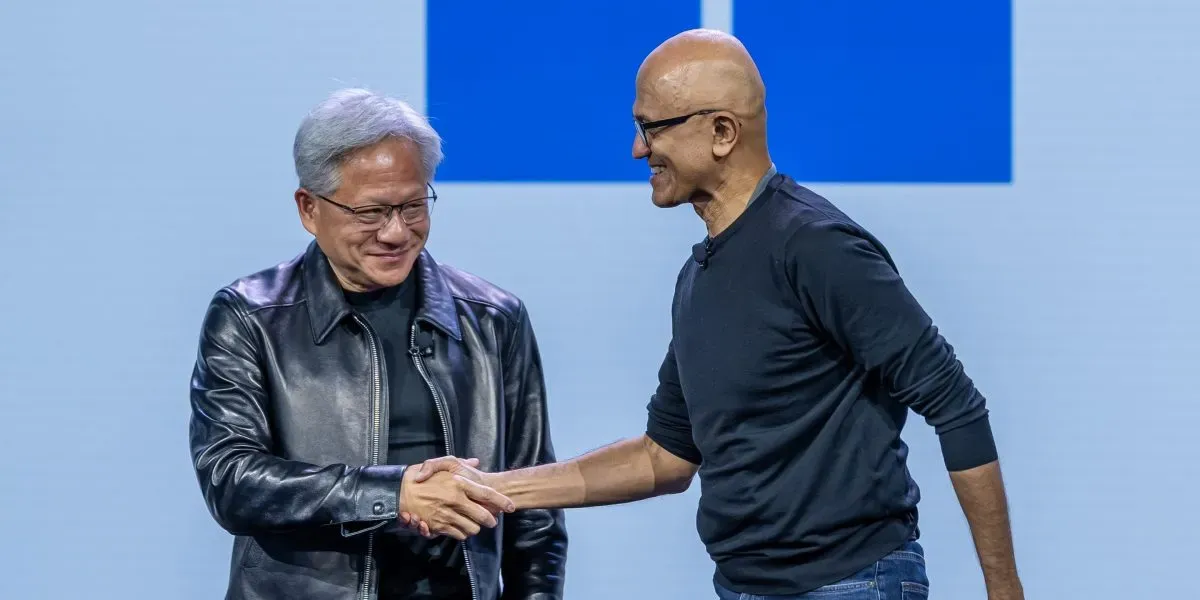
Critics have raised concerns that Nvidia's circular financing schemes, which involve funding hyperscalers like Meta or Microsoft in exchange for product purchases, may have contributed to the inflated AI bubble. These arrangements have been a source of contention among executives, including Kress.
Nvidia is reportedly reassessing its involvement in high-risk AI financial deals, such as investments in OpenAI and infrastructure companies like Lambda. This shift comes after scaling back financing for a $250 billion OpenAI data center deal, which was a significant undertaking.
The tech industry may face challenges if Nvidia continues to distance itself from GPU commitments. The semiconductor production landscape is highly specialized, dominated by a few key players, making supply chain disruptions potentially far-reaching and affecting consumer electronics and cloud services.
Nvidia's handling of outstanding deals inked under Huang's leadership will be closely watched during the earnings call, particularly since the company can no longer rely on revenue from certain export arrangements.
Nvidia's dominance in the market for data center hardware and AI model training has led to a situation where demand far outstrips supply.
The shortage of RAM and high-bandwidth memory is particularly problematic as it slows down production and drives up costs for cloud companies and other buyers.
To mitigate this issue, Nvidia has invested heavily in securing future memory supplies, but the effort may not be enough to alleviate the bottleneck.
Meanwhile, the controversy surrounding Huang's personal life has created new challenges for the company. His ties to a Chinese executive linked to Megaspeed have raised questions about the integrity of the supply chain.
The company's reliance on third-party countries to divert advanced chips to China has been identified as a significant issue by investment research firm Culper, which estimates that up to one-fifth of Nvidia's compute revenues in fiscal year 2026 came from this process.
The AI buildout relies heavily on hardware companies like Nvidia, making them vulnerable to industry-wide downturns in investor confidence. If Nvidia's earnings call indicates strong growth, it could boost stocks and funds focused on technology, potentially leading to a surge in the value of individual retirement accounts and 401(k)s.
Major funds and indices are dominated by a handful of big tech companies, often referred to as the Magnificent Seven. These firms account for nearly one-third of the S&P 500 index and have significant exposure to AI-related stocks. This means that investors who hold these companies through index funds may be indirectly affected by fluctuations in Nvidia's stock price.
The impact of an AI selloff could extend beyond individual investors, potentially affecting retirement balances even for those who don't own Nvidia shares directly. The Magnificent Seven are particularly vulnerable to AI stock swings, with their share prices often closely tied to the performance of companies like OpenAI and Anthropic.
Alphabet's recent experience serves as a stark reminder that even top tech firms can be affected by market fluctuations triggered by Nvidia news. Intel and CoreWeave, both heavily focused on AI infrastructure, have also seen their share prices decline in response to growing concerns over AI dangers.
As the debate around AI risks intensifies, companies like Nvidia are facing increased scrutiny over their role in the development of artificial general intelligence. The company's CEO has been a prominent advocate for AI, framing it as an economic and national-security imperative, but recent developments have raised questions about the pace and scope of AI advancements.
The recent controversies surrounding Huang's leadership have added to the growing unease about the pace and scope of AI advancements in the US.
As Nvidia prepares for its earnings call, the tech industry is bracing itself for a potential backlash against data centers and large-scale AI projects, which have become increasingly unpopular among politicians and voters. Democrats are pushing for stricter regulations on the AI industry, including laws to prevent an industry bailout if a bubble were to burst. This shift in public opinion has caught many in the industry off guard.
The bipartisan calls for Huang to testify before Congress have highlighted concerns about Nvidia's dealings with China and potential export loopholes. Some politicians are also investigating high-ranking officials at US intelligence and the Commerce Department, accusing them of failing to act on knowledge of Nvidia's China-related deals. This scrutiny is likely to continue in the coming months.
Kress may be able to distance herself from some of Nvidia's riskiest ventures, but her predecessor's relationships have left a lasting impact on the company's national security implications. The investigation into these dealings has opened up a Pandora's box that no CEO can easily close.
The federal government's response to these developments is likely to be slow and cumbersome, but there is an increasing momentum towards investigating the major players in the AI industry. This will undoubtedly have a chilling effect on investor hype and put pressure on companies like Nvidia to re-evaluate their priorities.
Facts based on reporting originally published by CNET.
You may republish this story, in full or in part, if you credit News Central Site and link to it (licence CC BY 4.0). Photos are not included.