Nvidia Market Cap Reaches $5 Trillion
The AI sector has defied expectations despite concerns about its sustainability, with earnings and stocks continuing to rise.
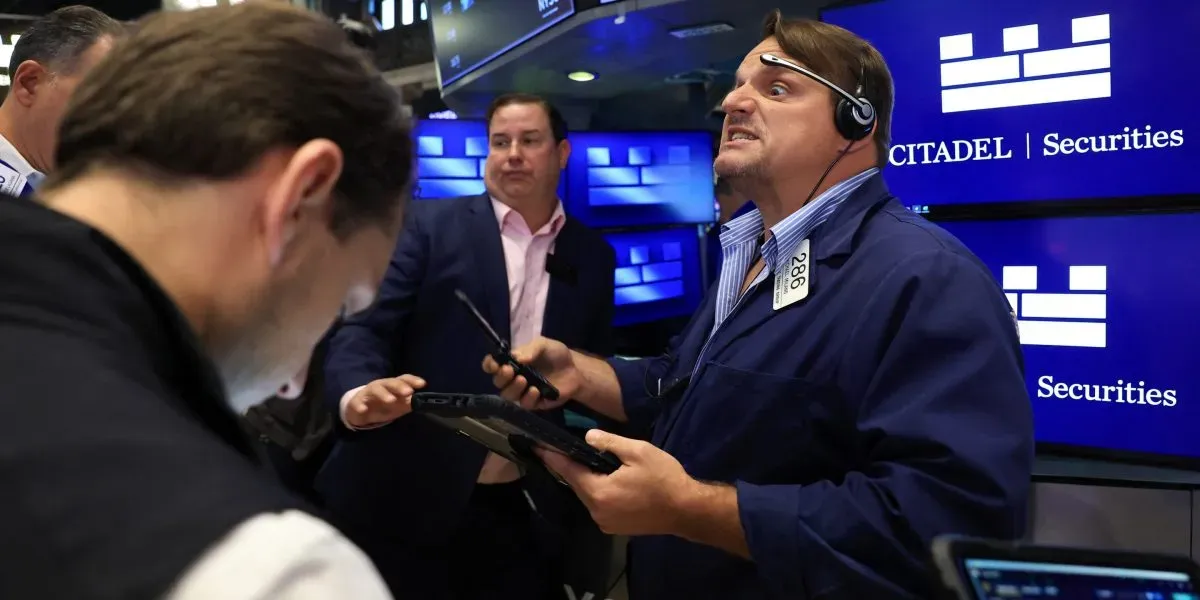
The AI sector has been a hotbed of speculation and debate in recent years, with investors wondering when the bubble will burst. One of the key indicators that have raised concerns is Nvidia's market cap milestones, which have repeatedly crossed $2 trillion, $3 trillion, and even $5 trillion.
These milestones have triggered warnings from bears who believe that the AI boom is about to go bust. However, the sector has consistently defied expectations, with earnings continuing to soar and stocks rebounding to record highs. Despite these successes, concerns remain about the sustainability of the current trend.
The borrowing binge by AI hyperscalers, such as those in the field of deep learning, has also raised red flags. Their astronomical capital spending plans have sparked doubts about the necessity of investing so heavily in this sector. The DeepSeek shock in early 2025, which highlighted concerns about the Chinese AI model's performance, further fueled these worries.
The admission by OpenAI CEO Sam Altman that an AI bubble exists has added to the fears on Wall Street. Michael Burry's bearish bets have also contributed to the growing sense of unease. Meanwhile, external factors such as global conflicts and market meltdowns in countries like South Korea have further heightened concerns about the sector's stability.
Despite these warning signs, investors remain committed to riding the AI wave, convinced that the good times will continue for a while longer. However, many acknowledge that eventually, the bubble will burst, leaving traders wondering how long they should hold on before getting out of the market.
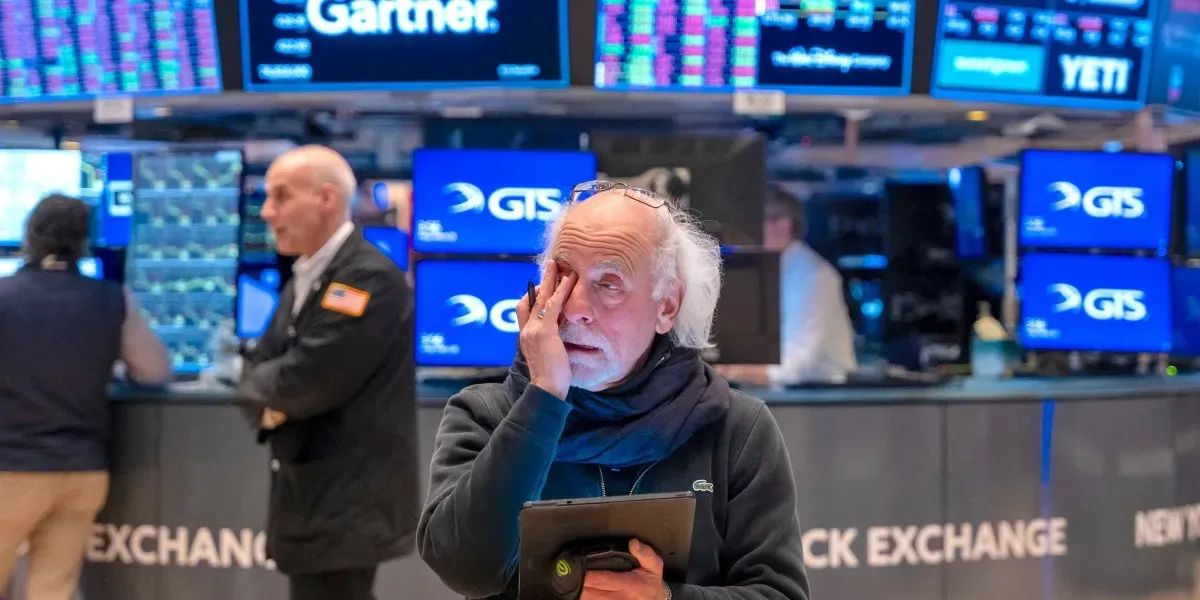
The recent turmoil in the tech sector has sparked concerns about the sustainability of the current AI bubble.
One area of focus is CoreWeave, a cloud computing firm that has seen its stock plummet and credit default swaps surge. This decline has raised questions about whether the company's debt will become unmanageable. The firm's struggles have added to the growing unease surrounding the AI sector.
However, some analysts are cautioning against reading too much into these developments. Dan Greenhaus, a strategist at Solus Alternative Asset Management, notes that previous downturns in the market have been followed by new highs. He suggests that the current situation may be just another example of investors overreacting to minor setbacks.
The broader economic landscape is also contributing to the increased scrutiny of the AI sector. Higher borrowing costs and rising bond yields are making it more expensive for companies to issue debt, which has become a key funding mechanism for many AI startups.
The recent downturn in artificial intelligence (AI) stocks has left investors wondering if this is another "head fake or a genuine warning sign for the industry. Some analysts are pointing to CoreWeave's unsecured debt as a prime example of the risks involved.
CoreWeave's high-risk debt has been particularly targeted, with some experts labeling it the riskier of the riskier AI buildout play." This comes at a time when earnings from companies like Taiwan Semiconductor, which supplies chips for AI applications, indicate that demand remains robust.
As interest rates rise, the cost of borrowing for companies like CoreWeave increases. This could potentially put pressure on the entire AI ecosystem to find alternative funding mechanisms or cut costs. The question is whether this will be a gradual process or a sudden breaking point.
CoreWeave's CEO Mike Intrator has sought to reassure employees and investors that the company's deal backlog is sufficient to cover its debt obligations. Meanwhile, Nvidia CEO Jensen Huang has expressed confidence in CoreWeave's prospects, stating that the company's cost of capital is actually decreasing.
Despite some analysts sounding alarm bells, others on Wall Street remain optimistic about AI's potential for growth. They believe that even if revenue estimates are high, they may not be sufficient to support current levels of spending. Some have compared this situation to a need for AI data center owners to generate $8.5 trillion in revenue by 2030 just to cover costs and provide a return on investment.
The warning signs are growing louder as analysts warn that the AI investment boom may be facing a reckoning. According to Bank of America, the total revenue headed to data centers from enterprise and consumer AI will not meet initial expectations, with estimates now capped at $3.6 trillion.
This shortfall raises concerns about the asset value exposed to write-down risk, with over $4 trillion potentially affected by 2032. The analysts point out that this situation follows a classic capital cycle pattern, where high early profit margins lead to overinvestment and excess capacity. This, in turn, attracts more competition, ultimately resulting in disappointment.
The AI market has indeed seen increased competition from Chinese open-weight models, while business spending on AI is starting to decline as token prices fall despite rising volumes. Bank of America notes that this monetization disappointment in the face of intense competition mirrors past capital cycles, suggesting that the current boom may be unsustainable.
Facts based on reporting originally published by Fortune.
You may republish this story, in full or in part, if you credit News Central Site and link to it (licence CC BY 4.0). Photos are not included.