US Midterm Elections Impact US Foreign Policy
The outcome of the US midterm elections has sent shockwaves globally, with Ukrainian President Volodymyr Zelensky expressing cautious optimism about future support from Washington. The...
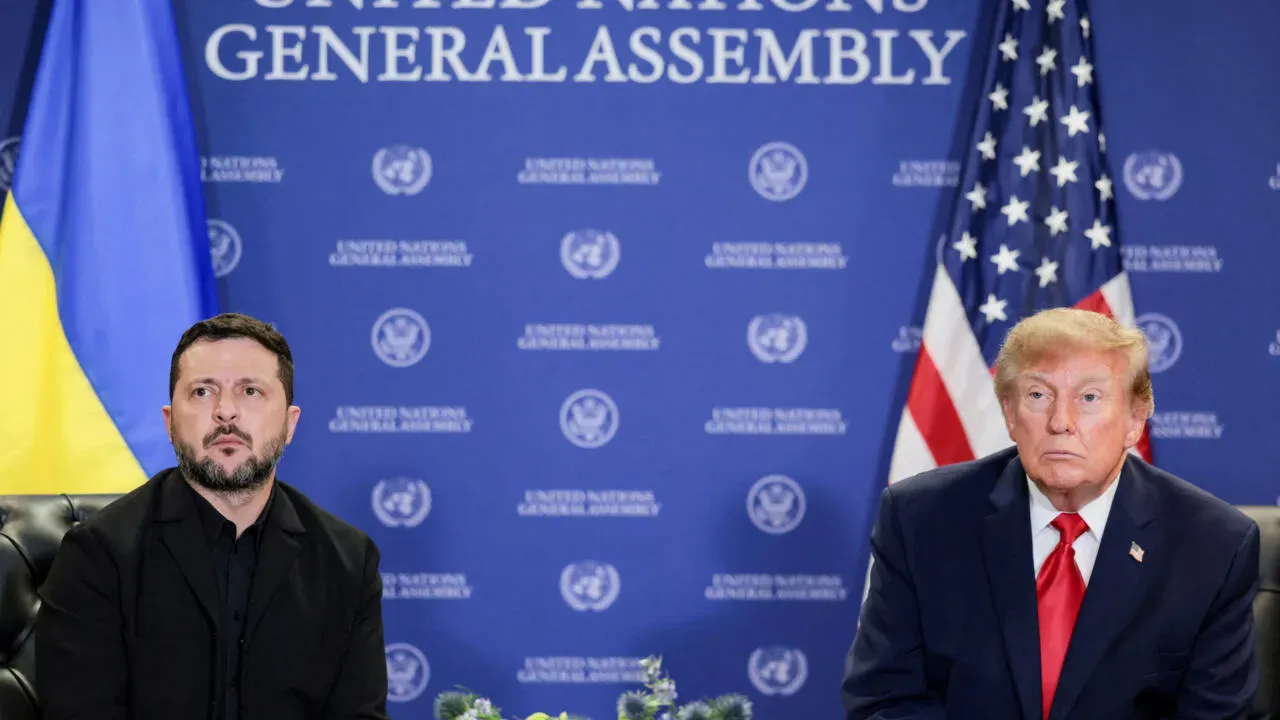
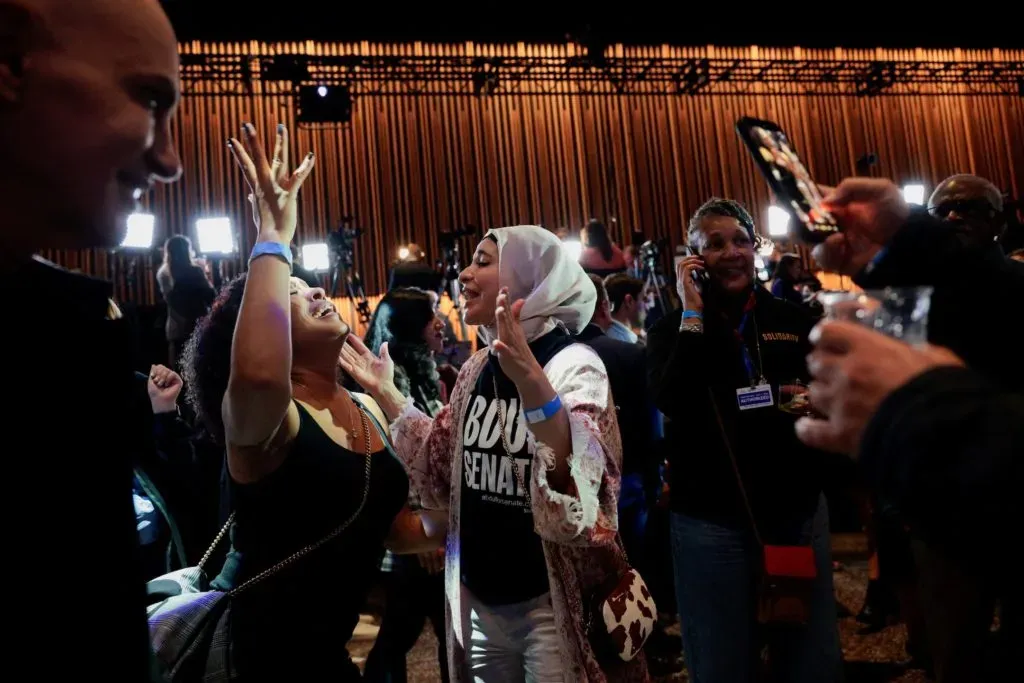
The outcome of the US midterm elections has sent shockwaves globally, with Ukrainian President Volodymyr Zelensky expressing cautious optimism about future support from Washington. The Republican Party's crushing defeat has given the Democratic majority in Congress a significant boost, but it remains to be seen how this will impact US foreign policy.
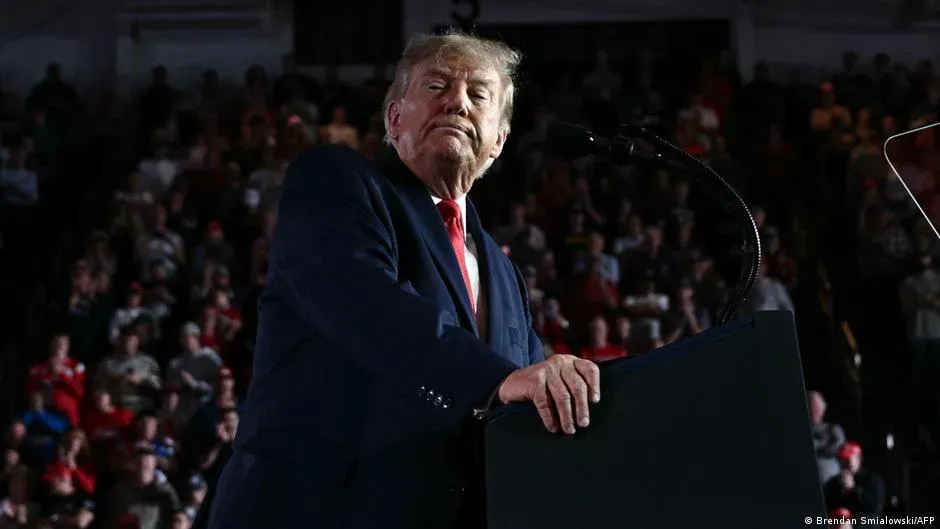
Despite the shift in power, US President Donald Trump retains broad authority over foreign policy decisions, limiting the scope for substantial change under the new Congressional leadership. As such, Ukrainians are unlikely to see an immediate change in how the US approaches its conflict with Russia, given Trump's tense relationship with Ukraine in recent times.
Ukrainian officials have welcomed the Democrats' commitment to supporting their country and strengthening transatlantic ties, but acknowledge that US policy is still set from the White House. The expectation is that the new Congressional leadership will work within existing parameters rather than pushing for radical change.
In an interview with German public broadcaster ZDF, President Zelensky noted that Democrats are "speaking very clearly about supporting Ukraine" and aim to rekindle ties between the US and Europe. He expressed hope of securing additional funding and aid to support his country's defense efforts in the face of ongoing conflict with Russia.
The Democratic majority in Congress may yet bring about some changes, including increased financial relief for Ukraine and more stringent sanctions on Russia. However, their ability to implement significant policy shifts remains constrained by Trump's continued influence over foreign policy decisions.
The outcome of the midterm elections has significant implications for US foreign policy, particularly when it comes to supporting Ukraine in its conflict with Russia.
US officials have been working towards a potential agreement to end the war in Ukraine, with President Trump claiming that a "big, beautiful agreement" is close and could involve all of Europe. However, EU officials have cautioned that much work remains to be done before any such agreement can be reached.
The European Union's stance on the issue reflects its own security concerns, which must be taken into account in any decision-making process. As EU spokeswoman Paula Pinho noted, it is ultimately up to the EU to decide on matters affecting its security.
The shift in power in Congress, with Democrats gaining control, is likely to result in increased support for Ukraine from the US. However, translating policy preferences into actual change will be challenging due to the president's significant authority over foreign policy.
With a new Congress coming in, ending the war in Iran and reaffirming US support for Ukraine are expected to be among the Democrats' top priorities, along with reining in President Trump's use of tariffs.
The president's negotiating power remains unchanged despite the midterm elections, giving him significant influence over foreign policy decisions.
President Trump has always maintained control over who the US negotiates with and what topics are up for discussion, with Congress limited to offering opinions and trying to sway his decisions through criticism.
Despite this, some analysts suggest that the president may see the election results as an opportunity to demonstrate his negotiating skills in dealing with a Democratic-led Congress, potentially leading to progress on issues like taking a tougher stance against Russia and supporting Ukraine.
However, Trump's history of doubling down when faced with opposition suggests he might instead continue pushing forward with his existing policies towards Russia and Ukraine, rather than making concessions or changes.
The Democrats' ability to set their foreign policy agenda in Congress will be further complicated by internal party divisions and the need to balance competing interests and priorities.
As a result, there is a risk that high expectations for a Democratic-led Congress may lead to significant disappointment both domestically and internationally if these goals are not met.
The new Democratic-led Congress faces a crucial challenge in shaping US foreign policy, particularly regarding Ukraine. This is because the lawmakers won't take office until January, leaving a significant gap between their electoral victory and actual power.
As they navigate this transitional period, Congressional Democrats will struggle to assert their influence over key issues, including transatlantic relations. No matter how strongly they may reaffirm their commitment to these relationships through public statements, their ability to implement policies will be severely limited until the new Congress is sworn in.
Ultimately, if President Trump continues to pursue his current foreign policy agenda, Congressional Democrats will find it difficult to effectively counterbalance his actions, highlighting the complexities and limitations of US governance during this period.
Facts based on reporting originally published by France 24 English.
You may republish this story, in full or in part, if you credit News Central Site and link to it (licence CC BY 4.0). Photos are not included.