Georgia Public Service Commission set to shift under new Democratic control
The Georgia Public Service Commission is set to undergo significant changes as three of its five officials will be Democrats from January onwards, marking the party's first control of the commission in 30 years.

Georgia Public Service Commission is set for a significant shift in power dynamics as three of its five officials will be Democrats from January onwards, marking the party's first control of the commission in 30 years.
This change in leadership comes at a time when the commission has faced increasing scrutiny over rising power bills and the growing energy demands of data centers. The commission regulates utilities such as Georgia Power, the state's largest electric provider, which has been under pressure to adapt to changing consumer needs and environmental concerns.
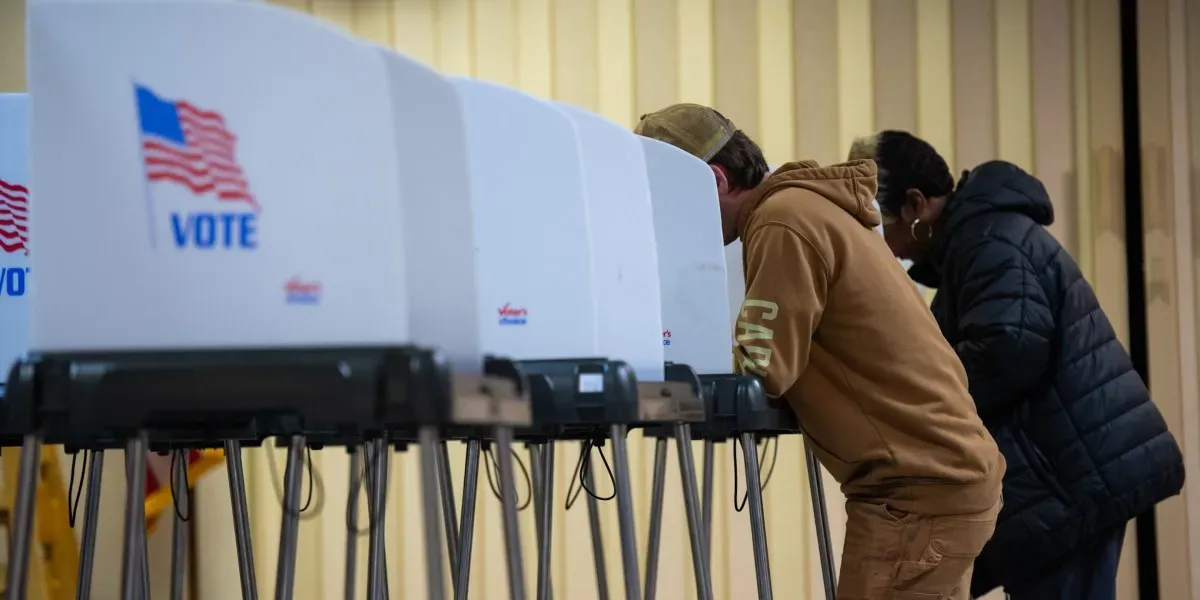
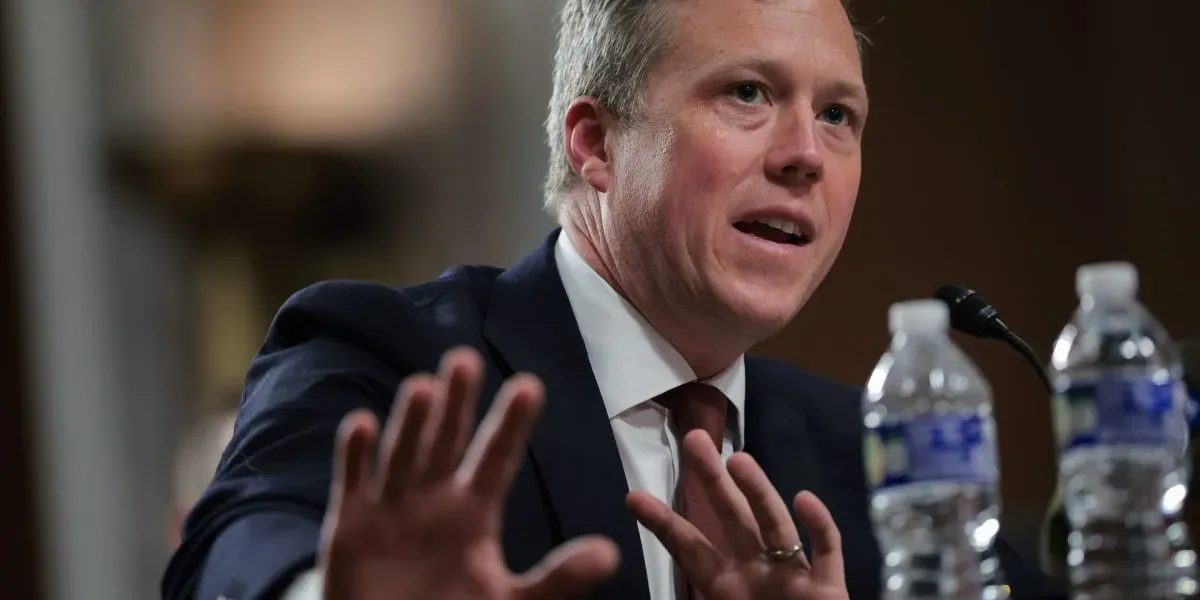
With Democrats now holding sway, affordability, clean energy, and closer scrutiny of Georgia Power will be top priorities. Commissioner Peter Hubbard, who won his reelection bid this week, has expressed a commitment to addressing these issues through an affordability docket, a series of hearings aimed at exploring the reasons behind high power bills and potential cost-saving measures.
Hubbard also plans to bring close scrutiny to upcoming requests from Georgia Power regarding energy production and customer rate adjustments.
The Georgia Public Service Commission's new majority is expected to bring about significant changes in its regulatory approach. The two Democratic members of the commission, Shelia Edwards and Alicia Johnson, will likely scrutinize upcoming requests from energy companies like Georgia Power.
As experts note, any changes to power bills or energy production will not be immediate. Emory University associate professor Kristin Phillips, who studies energy burden and the PSC, cautions that "we may not be able to expect immediate effects on our wallets." This reflects concerns about affordability and high energy bills that have driven voter engagement in recent elections.
The new Democratic majority is a result of campaigns that highlighted the importance of connecting energy policies with affordability. Georgia Conservation Voters played a key role in drawing attention to the PSC elections and advocating for the Democratic candidates. The group's efforts aimed to shift public perception of the commission from an "obscure regulatory body to a critical player in shaping energy policies.
The central importance of affordability has been acknowledged by Chris Womack, CEO of Southern Company, Georgia Power's parent company. He expressed confidence that the utility can address concerns with the new commissioners, but the scrutiny is expected to be intense as the commission reviews upcoming requests from Georgia Power regarding energy production and customer rate adjustments.
Georgia Power has maintained that the revenue generated from data centers would more than compensate for the new infrastructure required to serve them. This, in turn, would help keep rates lower for residential and small business customers. However, critics argue that this promise is not a guarantee of reduced rates.
According to Georgia Power, any rate increases would be offset by the influx of revenue from data centers. The utility claims that this would provide downward pressure on rates, even if they do not decrease outright. This approach was recently reinforced in the company's deal to serve a massive OpenAI data center.
As part of this agreement, Georgia Power stated that it would bring $15 per month in downward pressure" for the typical residential customer. This means that while rates may not decrease, any increases would be mitigated by the revenue generated from the new data center. The company's assurances are aimed at addressing concerns about rate hikes.
The utility's claims rely on the assumption that data centers will continue to drive growth and revenue in Georgia. If this trend holds, it is likely that residential customers will see some relief from rate increases. However, the deal's specifics have been shrouded in secrecy, with key details remaining redacted.
Georgia Power's temporary rate freeze has been credited by the company to increased revenue from data centers, which is a significant source of income for the utility. However, this move has not gone unchallenged, with some advocacy groups criticizing the lack of transparency surrounding the decision.
The process used to implement the rate freeze was also criticized, as Georgia Power announced it without first holding a public hearing to allow advocates to verify the company's financial claims. This has raised concerns that ordinary customers may be left vulnerable to data center costs, which are often not disclosed in detail.
Advocates have long been critical of the lack of transparency at both Georgia Power and the Public Service Commission (PSC), with many deals and contracts being kept secret under the guise of trade secrecy. The OpenAI contract is a prime example, as its details were entirely redacted from public filings after it was approved.
The recent election results have given Democrats control of the PSC for the first time in 30 years, and they have vowed to bring increased scrutiny to future rate-setting processes, including Georgia Power's long-term plans and forecasts about rising demand.
Georgia Power's regulator has come under scrutiny following the recent election results that gave Democrats control for the first time in 30 years. As part of their efforts to increase transparency, Hubbard has proposed conducting a rate case for the state's natural gas utilities, which he noted hasn't been done in over a decade.
In addition to this proposal, Hubbard aims to implement further changes going forward. He emphasized that the party will continue to push for long-lasting reforms and shift the direction of the state on energy issues during their four-year majority.
Facts based on reporting originally published by Fortune.
You may republish this story, in full or in part, if you credit News Central Site and link to it (licence CC BY 4.0). Photos are not included.