Tech Stocks Plunge Amid AI Concerns
Global markets have seen a significant surge in selling as traders rapidly exit tech stocks, and futures suggest that this trend will continue today.
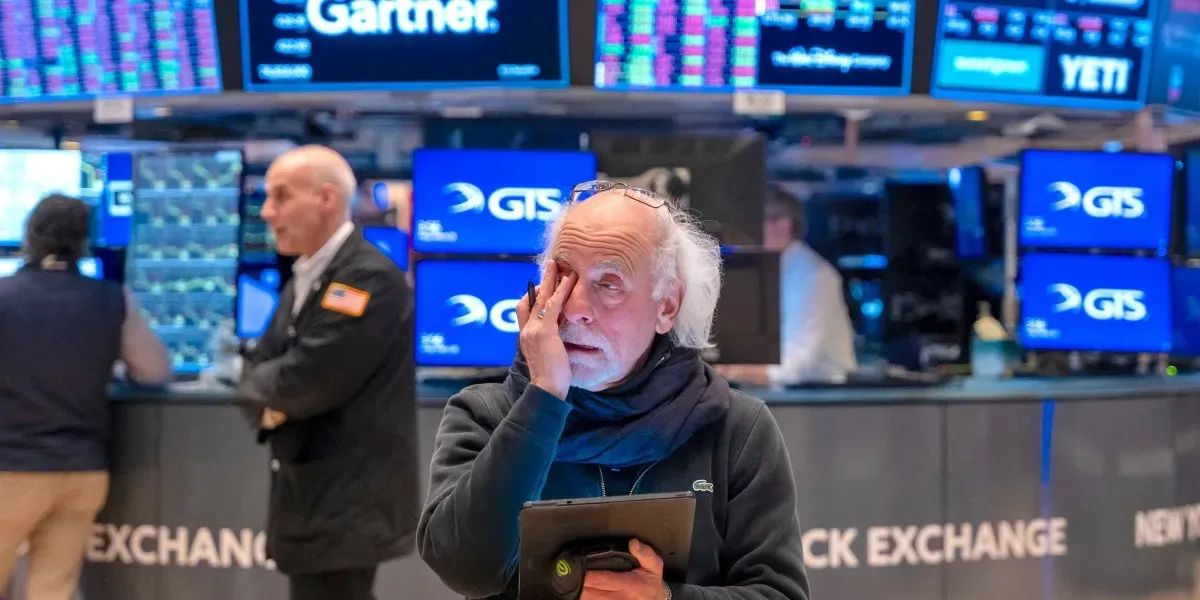
Global markets have seen a significant surge in selling as traders rapidly exit tech stocks, and futures suggest that this trend will continue today.
The sudden shift in investor sentiment has been attributed to concerns over the potential risks associated with artificial intelligence (AI). Many leaders in the AI space have sounded warnings about the dangers of unchecked technological advancement, but Nvidia CEO Jensen Huang remains unswayed by these warnings.
Huang dismissed the existential-risk warnings from experts like Anthropic's Dario Amodei, stating that AI is "completely in our control." His stance has sparked debate within the tech industry, with some questioning whether the pursuit of advanced technologies poses a risk to human civilization.
The global wave of selling is not limited to tech stocks alone. Market volatility has been on the rise as investors scramble to adjust their portfolios in response to shifting market conditions. The uncertainty surrounding the future trajectory of AI and its potential impact on society has created an atmosphere of caution among traders.
As the situation unfolds, it remains to be seen how this trend will continue and whether futures markets will accurately predict the outcome. One thing is clear: the current market volatility has left investors with a lot to consider as they navigate the complexities of emerging technologies.
The tech sector has taken a significant hit globally, with many stocks plummeting in value over the past day. The South Korean KOSPI index, which is heavily weighted towards technology companies, fell by 7.57% and was temporarily halted due to trading volatility.
Despite some positive news for the sector, investors seem to be fleeing tech stocks en masse. Chipmaker TSMC reported better-than-expected earnings for Q3 and announced plans to increase capital expenditure over the next two years. Apple also reached a new record high, becoming only the second company after Nvidia to surpass a $5 trillion market capitalization.
However, these positive developments failed to stem the selling tide, with many tech companies experiencing significant declines in value. CoreWeave lost 15.46% of its value yesterday and shed another 5.89% overnight, while Oracle was down by 8.83%.
The sell-off has also extended to the bond market, where investors are struggling to decide whether the benchmark 10-year U.S. Treasury is a safe haven or an asset that offers a higher risk premium.
In the midst of this market uncertainty, it's clear that investors are reevaluating their positions in the tech sector and other emerging technologies.
Market sentiment has taken a drastic turn in recent days, with investors increasingly wary of holding onto tech stocks and emerging technologies. This shift is reflected in the futures market, which is signaling that today will be another day of significant losses for these sectors.
Meanwhile, new data suggests that Europeans remain optimistic about their future, despite growing concerns over economic uncertainty. According to a recent survey, 76% of Europeans are looking ahead with confidence, with Denmark and Slovenia topping the list of happiest nations. France, on the other hand, is the least optimistic country in Europe, but even here 62% of people still express happiness about their future prospects.
The disparity between positive and negative news coverage may be contributing to this sense of optimism among Europeans. Analysis of 35 years' worth of Wall Street Journal articles has found that bad news generates far more follow-up stories than good news, meaning that negative headlines tend to stick in the public consciousness.
In a separate development, economists are tracking the economic impact of Brexit on the UK, with estimates suggesting that the country has lost around 6% of its GDP so far due to the decision to leave the EU.
The global market has seen a significant shift in recent days, with traders increasingly selling off their tech stocks and futures signaling that this trend is likely to continue today. This wave of selling has been driven by concerns over the economic downturn and its impact on various industries.
Avocado consumption in the US has undergone a remarkable transformation since the 1990s. Prior to 1993, avocados were not widely available in American markets due to import restrictions. However, with the relaxation of these regulations, particularly in 2007 when year-round access was granted to all 50 states, American consumers began to take a greater liking to the fruit.
As a result, avocado consumption has skyrocketed, with per-capita intake increasing sevenfold since the 1990s. According to industry insiders, this growth is attributed to increased availability and changing consumer preferences, with Americans now consuming an average of 9.5 pounds of avocados per person each year.
Facts based on reporting originally published by Fortune.
You may republish this story, in full or in part, if you credit News Central Site and link to it (licence CC BY 4.0). Photos are not included.