Russia and Ukraine Agree to Halt Strikes on Energy Infrastructure
US President Donald Trump announced that Russia and Ukraine have agreed to a halt in strikes on each other's energy infrastructure.
US President Donald Trump has announced on his social media platform that Russia and Ukraine have agreed to a halt in strikes on each other's energy infrastructure, effectively implementing an "energy ceasefire" immediately.
According to Trump, both parties have reached an agreement, with the president urging restraint from Kyiv and Moscow, warning against any actions that might break this new understanding. However, there has been no official confirmation of this development from Russian authorities so far.
Ukrainian President Volodymyr Zelenskyy responded to Trump's announcement by stating that a ceasefire in energy infrastructure was news to him, but he expressed willingness to comply if Russia agreed to such an arrangement. He also pointed out the need for clarity on when exactly this ceasefire would begin and how it would be enforced.
Zelenskyy later posted on social media about a drone attack on Kyiv's power plant, which resulted in power outages in the capital, highlighting the ongoing challenges facing Ukraine in its energy sector.
The US president's claims of an agreement between Russia and Ukraine on an 'energy ceasefire' have sparked mixed reactions from world leaders.
Trump's proposal involves buying diesel fuel from Russia, which he says will help alleviate a global shortage caused by Ukrainian attacks on Russian diesel facilities, rather than the conflict in Iran. However, this move contradicts recent US sanctions aimed at reducing Russian energy revenues that fund its war efforts.
European Commission President Ursula von der Leyen has expressed support for a ceasefire that protects global food supplies and energy infrastructure in Ukraine and Russia. She also pledged her backing for Ukrainian President Zelenskyy's efforts to defend his country's freedom.
UK Prime Minister Andy Burnham echoed Trump's call for an immediate 'sustained energy ceasefire', stating that Kyiv is ready to honor this commitment if Russia ceases its attacks on Ukraine.
The call for an energy ceasefire has gained international support. Canadian Prime Minister Mark Carney has now echoed this demand, after initially criticizing the Trump-Putin deal. His office announced that he had spoken to Trump and expressed his backing for a sustained energy ceasefire.
Russia's military campaign in Ukraine has taken a toll on the country's power infrastructure. The past few months have seen repeated strikes on Ukraine's power plants and transmission lines, particularly around major cities like Kyiv, Kharkiv, and Odesa. This has been done to weaken civilian morale during the winter months.
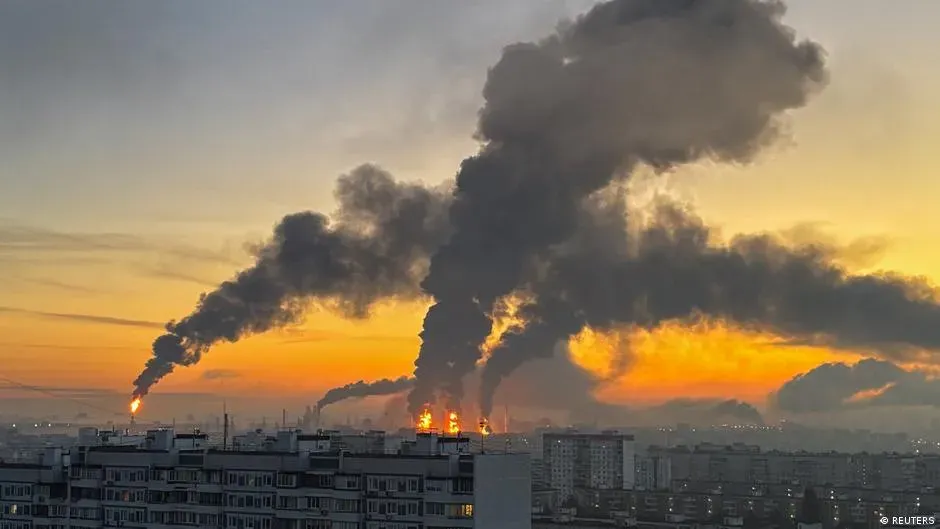
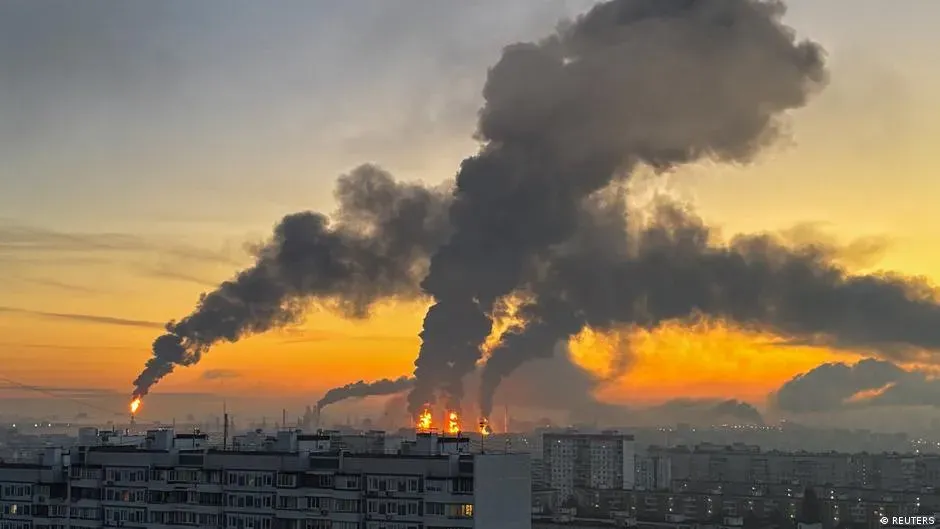
In response to Russia's actions, Ukraine has launched its own long-range attacks on Russian territory. These strikes have targeted key oil refineries and other facilities aimed at reducing Moscow's refining capacity and fuel supplies. The goal is to limit Russia's ability to wage war while also boosting Ukraine's economy.
Ukraine's campaign against Russian infrastructure continues unabated. On Sunday, a data center run by the Russian technology giant Yandex was hit in the latest strike on the company's facilities. This marks the third such attack in four days, demonstrating Ukraine's determination to disrupt Russia's operations and secure its own interests.
Facts based on reporting originally published by DW English.
You may republish this story, in full or in part, if you credit News Central Site and link to it (licence CC BY 4.0). Photos are not included.