Foreign Interference Allegations Spark Controversy in Israel
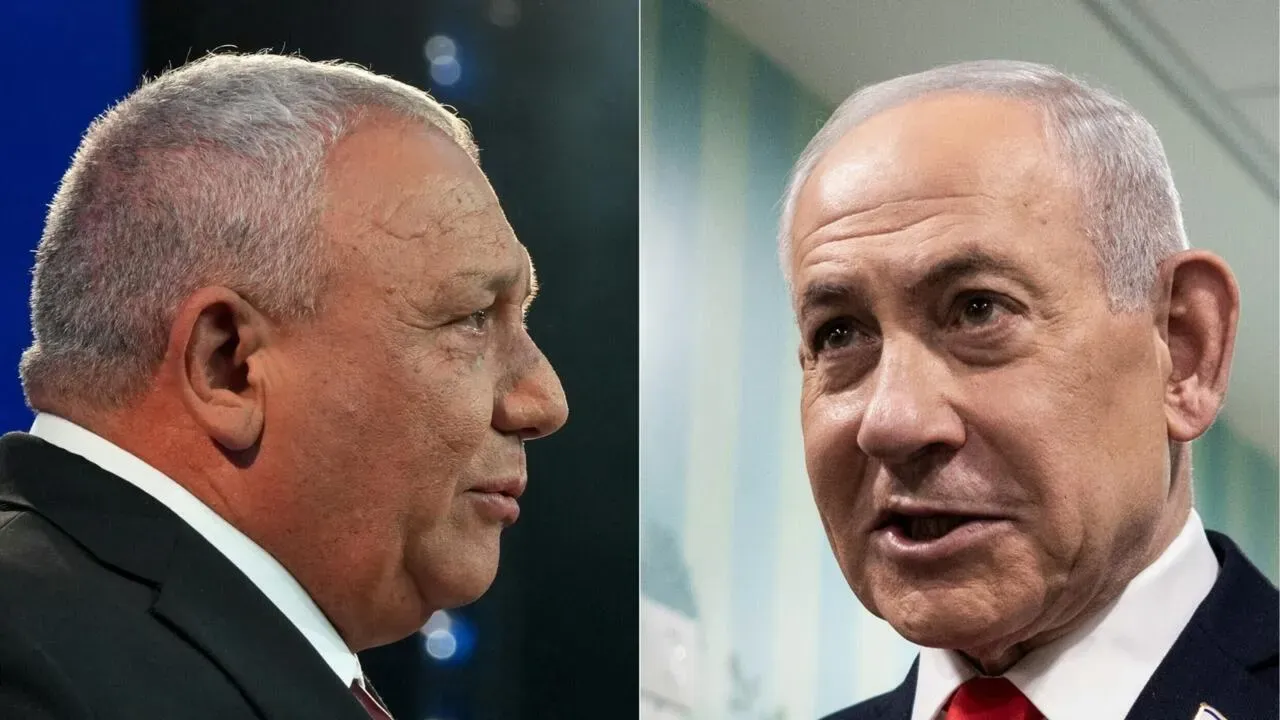
Israeli Prime Minister Benjamin Netanyahu has made allegations of foreign interference in his country's parliamentary elections.
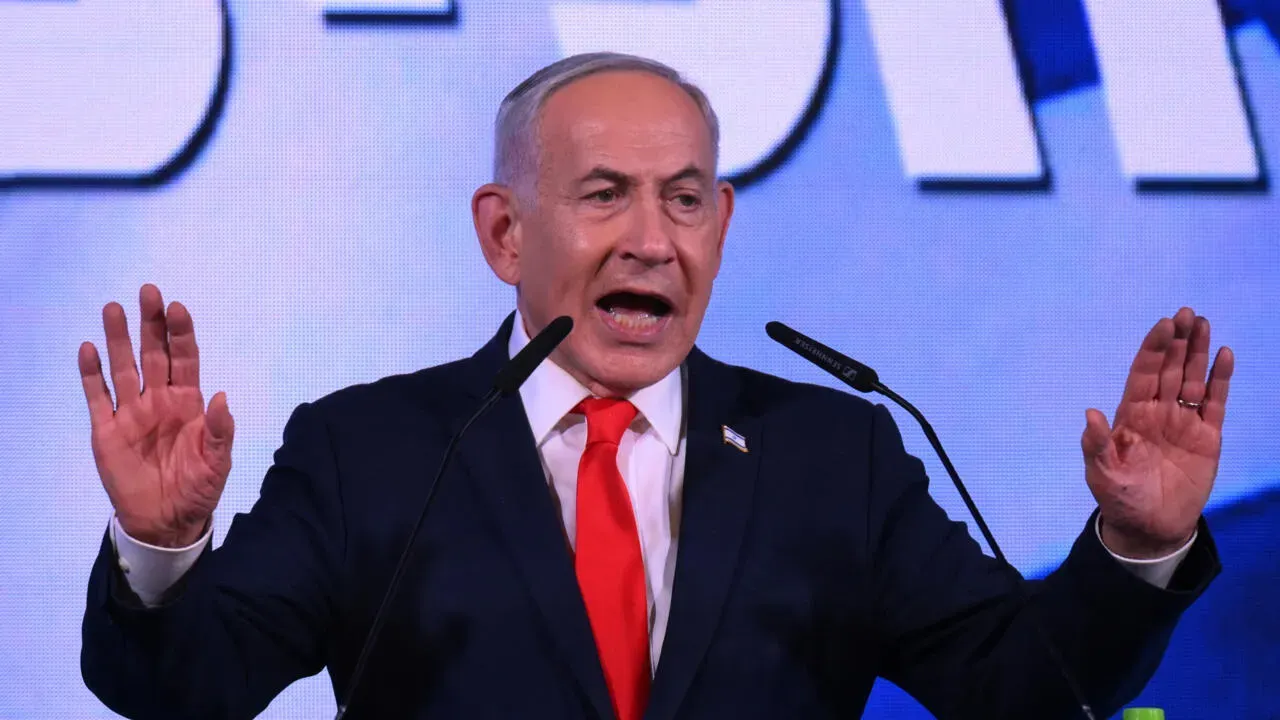
Israeli Prime Minister Benjamin Netanyahu has sparked controversy by claiming there are "serious suspicions that foreign countries have spent large sums of money to influence the outcome of Israel's recent parliamentary elections.
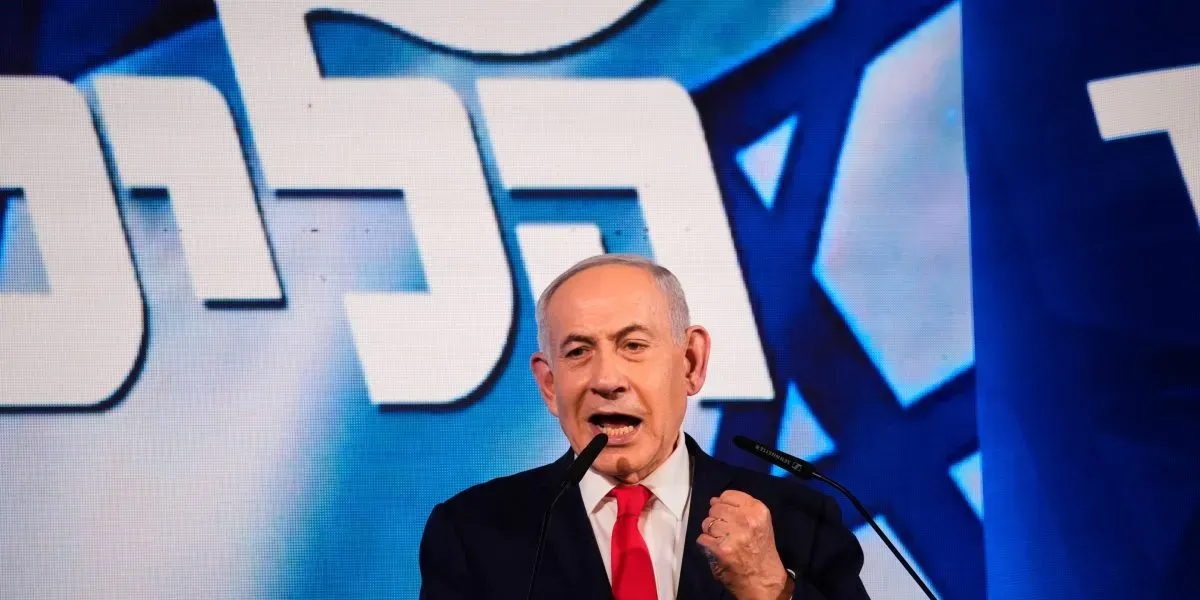
Netanyahu made these allegations in a video address, where he stood in front of an Israeli flag and the slogan Prime Minister's Office. The prime minister's comments come as tensions rise between his government and Arab-Israeli politicians, who are seen as key players in determining the country's future leadership.
The accusations have been met with resistance from the Joint List, a coalition of three Arab-Israeli parties that includes Ayman Odeh, one of its lawmakers. The list has denounced Netanyahu's claims as political persecution" and warned that such allegations aim to delegitimize the votes cast by Arab citizens in the October 27 election.
The controversy surrounding foreign interference in Israel's elections comes as the country is set for a new round of coalition-building. With several key parties still undecided on their allegiances, Netanyahu's far-right allies are seeking to capitalize on his claims of foreign meddling to sway public opinion and secure their positions.
The Joint List has stated that it will not allow its supporters' votes to be discredited by such allegations, and is vowing to continue working towards a united front with other opposition parties.
The investigation into alleged foreign interference in Israel's recent elections has taken a new turn, with outgoing lawmaker Odeh set to be questioned by Shin Bet officials.
Odeh, a veteran of Israeli politics and former leader of the left-wing party Hadash, is accused of receiving hundreds of thousands of shekels from an unspecified foreign entity. The allegations have been pushed by Netanyahu's Likud party, which claims they raise serious concerns about election fairness.
The Attorney General has denied Shin Bet's request to interrogate other Arab party leaders without concrete evidence, sparking anger among Netanyahu's allies who have long had a tense relationship with the Attorney General.
Meanwhile, Netanyahu is pointing to recent arrests of individuals found with cash on election day as evidence of localized incidents rather than widespread foreign interference.
Netanyahu has leveled further accusations against his opponents, claiming they have accepted money from Qatar in an attempt to sway the election outcome.
This claim is particularly noteworthy given that similar allegations had previously been made against Netanyahu's own aides. The premier's assertion appears to be part of a broader narrative aimed at undermining confidence in the electoral process.
Critics of Netanyahu's camp argue that it has abused its power, with Yair Golan, a left-wing leader in the opposition alliance, pointing to recent arrests and questioning by security agencies as evidence of this abuse.
Facts based on reporting originally published by France 24 English.
You may republish this story, in full or in part, if you credit News Central Site and link to it (licence CC BY 4.0). Photos are not included.