Data Center Construction Restrictions Approved by Voters Across Several States
Several states have approved ballot measures restricting data center construction, potentially slowing growth in these facilities.
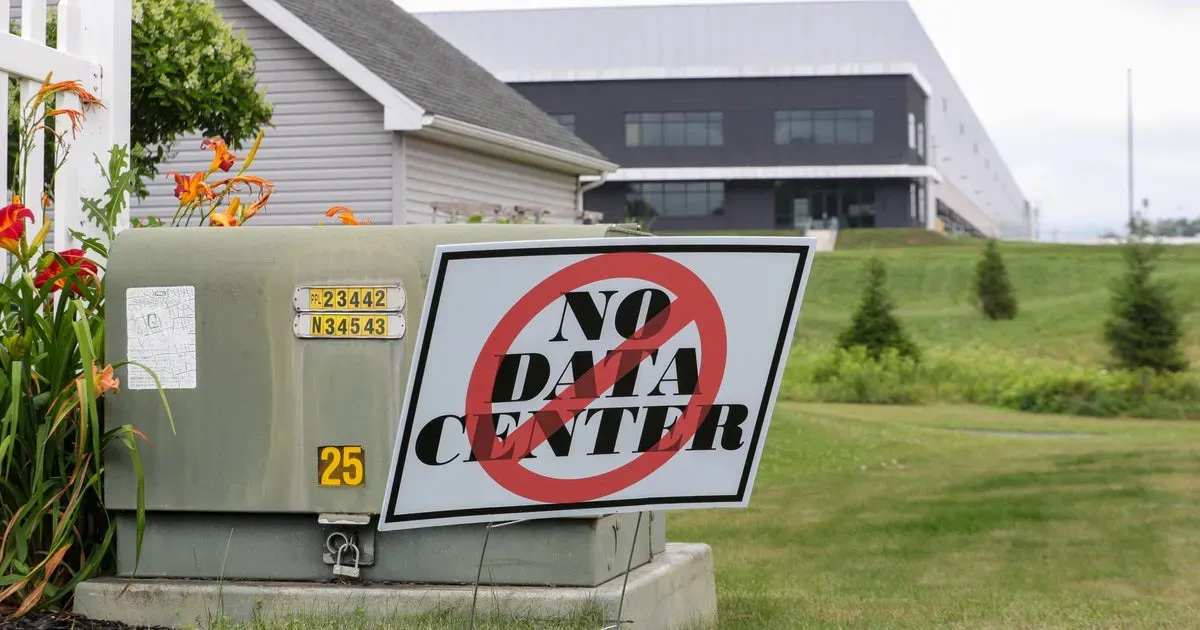
Voters across several states have approved ballot measures that restrict data center construction, potentially slowing down the growth of these facilities. According to an analysis by Redbud Consulting, 37 such measures were passed as of Wednesday afternoon in California, Illinois, Maine, Ohio, New York, and other states.
The election has also seen a number of candidates who campaigned on stricter regulation of data centers win their seats or advance to the next round. This could lead to increased scrutiny and new regulations for companies building these facilities. The growth of data centers has been fueled by demand from tech giants seeking to support emerging technologies like artificial intelligence.
Franklin Templeton chief market strategist Stephen Dover predicts that the election results will have a significant impact on the construction of new data centers, citing concerns over costs and regulations. Meanwhile, technology analyst Dan Ives notes that the pushback against data center growth is "fueling the AI Revolution," as companies seek to reduce their environmental footprint and improve their public image.
A temporary ban on data center construction could be implemented in Texas due to the recent gubernatorial election. Democrat Gina Hinojosa's victory over Republican incumbent Greg Abbott could stall the addition of 13 gigawatts of data-center power in the state.
Hinojosa proposed a temporary ban on data center construction during her campaign, which would likely build upon Abbott's previous suspension of approvals for such projects. According to Gordon Johnson, CEO and founder of GLJ Research, this move would put existing moratoriums on data centers in place for the foreseeable future.
The gubernatorial victory of Keisha Lance Bottoms in Georgia has significant implications for the state's infrastructure development, particularly in the realm of data centers.
Bottoms' win sets the stage for a re-examination of agreements related to data center development, which could potentially lead to a pause or slowdown in the buildout. According to some experts, this move would not be met with significant resistance from the state, as it aligns with existing moratoriums on data centers.
The increased scrutiny on data center developers may also lead to additional requirements for investing in electrical grids and potentially losing tax incentives, thereby increasing their costs.
The increased scrutiny on data center developers may lead to more cautious investment strategies, potentially cooling down an industry that had been growing rapidly. This shift could result in a more measured approach to development, one that prioritizes sustainability and environmental concerns over rapid expansion.
Data center moratoriums or restrictions are unlikely to significantly impact the broader growth of artificial intelligence investments, according to economists. In fact, slower construction timelines for data centers might even be beneficial for the overall economy, allowing for more sustainable and environmentally friendly projects to come online in the long term.
Facts based on reporting originally published by CBS News Politics.
You may republish this story, in full or in part, if you credit News Central Site and link to it (licence CC BY 4.0). Photos are not included.