Microsoft, Anthropic, OpenAI
Federal health officials from the Food and Drug Administration (FDA) recently invited tech companies to a private meeting to discuss conversational AI products for patients, including...

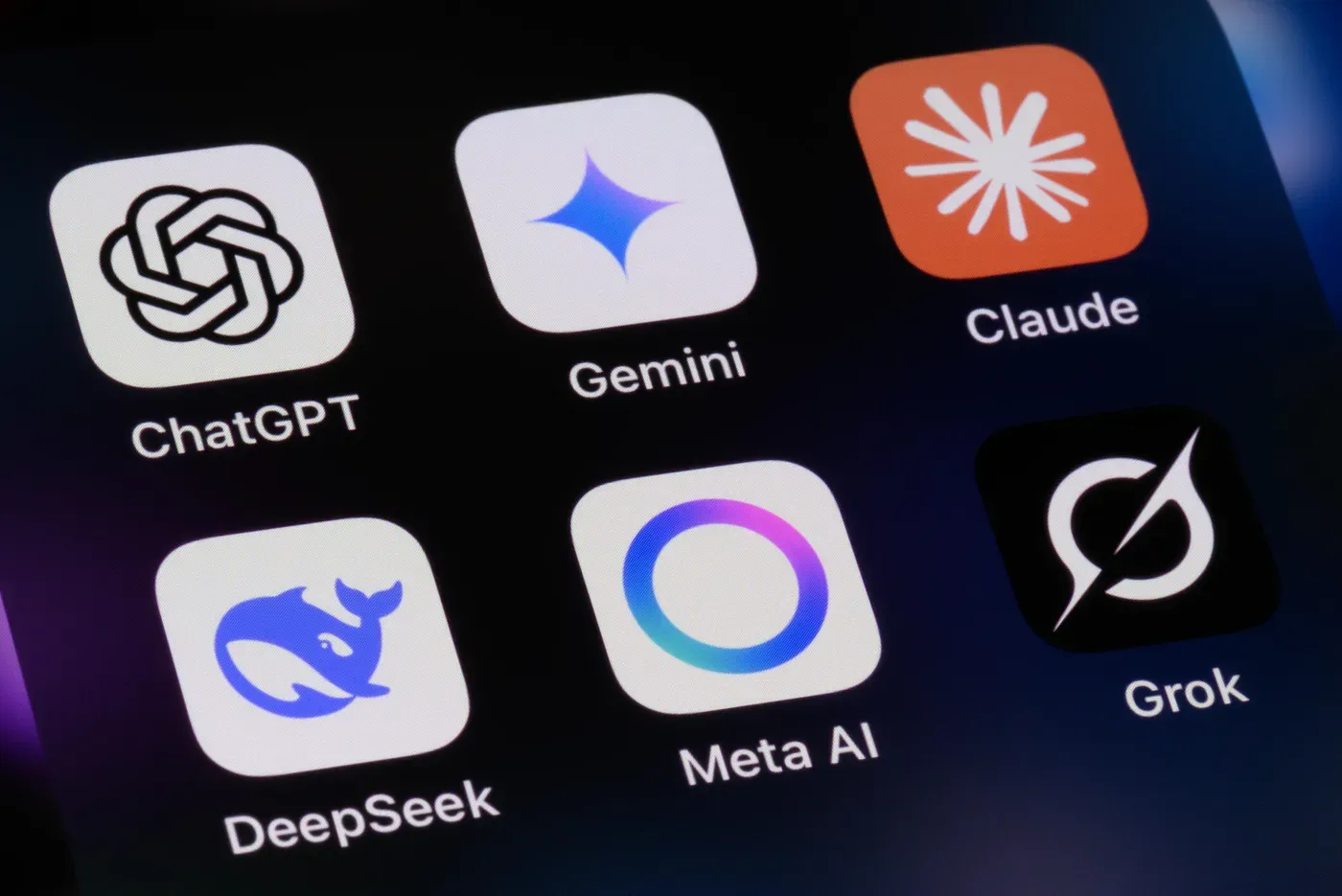
Federal health officials from the Food and Drug Administration (FDA) recently invited tech companies to a private meeting to discuss conversational AI products for patients, including chatbots. Companies like Microsoft, Anthropic, OpenAI, Apple, and Google were among those invited to participate in the listening session.
Representatives from at least 35 industry organizations attended the meeting, which was held by the FDA but did not appear on its public calendar or regulatory notices. The Centers for Medicare & Medicaid Services has also been involved in the initiative, although it has not formally announced a chat room through federal regulatory channels.
The Centers for Medicare & Medicaid Services has been actively engaging with healthcare industry leaders through a government-run chat room. The initiative aims to facilitate the integration of artificial intelligence services into healthcare systems, allowing health apps to bill Medicare for services such as wearable device tracking.
HHS staff have also emphasized that the recently launched Medicare App Library is intended to serve as a conduit for businesses to reach new users and expand their customer base. This move is seen as part of efforts to provide Americans with easier access to their medical records, enabling health apps to quickly offer personalized advice on health or wellness matters.
In an effort to address concerns about the readiness of digital health tools, John Whyte, CEO of the American Medical Association, expressed skepticism about their ability to provide accurate and reliable information. According to him, these tools lack sufficient data and understanding of how they work.
The Centers for Medicare and Medicaid Services (CMS) is working towards making it easier for Americans to access their medical records, but officials are also aware of the need for caution when introducing new digital health tools. In a statement, CMS's chief product officer emphasized the importance of promoting an open and interoperable healthcare system.
The Slack workspace where these discussions take place brings together representatives from various sectors, including Oura Health, Palantir, and 8VC, a venture capital firm associated with Kennedy's son Finn. This collaboration is part of the Health Technology Ecosystem, which is described as an open and voluntary technical collaboration.
The Slack workspace, a government-run chat room, has been used by leaders in the field of artificial intelligence to lobby health officials from the Trump administration.
A review of messages sent in this workspace reveals that participants discussed creating a directory of organizations involved in the collaboration. This goal was mentioned by Shiff during a video recording obtained by KFF Health News.
The Medicare App Library webpage highlights two dozen AI-driven apps developed by major corporations such as Microsoft and Google, aimed at helping older and disabled Americans manage health conditions like obesity, cancer, or diabetes.
The endorsement of Slothwise by Medicare has raised questions about the app's credibility and effectiveness in managing health conditions.
One reviewer shared their experience with the app on Google, stating they trusted Slothwise with their health information because it was endorsed by Medicare. However, this endorsement does not necessarily guarantee the quality or expertise of the team behind the app. In fact, when asked about her team's size and medical expertise, Slothwise CEO Sofia Sigal-Passeck did not provide a clear answer.
Sigal-Passeck claimed to have extensive experience in AI and complex biological data, but her statement has been met with skepticism given the lack of transparency around her team. Tech vendors are pushing for these apps to be treated like patient requests for medical records once they are vetted and authorized by a third-party company.
The CARIN Alliance, a leading digital health tech organization, is pushing for patients to have smoother access to their medical records through healthcare apps.
Healthcare leaders have been discussing this issue in a government-run chat room, where they've emphasized the need for vetting and authorization processes to be streamlined. They argue that this would allow patients to easily share their medical information with authorized third-party companies, improving care coordination and reducing administrative burdens. This effort aims to facilitate seamless communication between patients, healthcare providers, and technology vendors.
Facts based on reporting originally published by CBS News Politics.
You may republish this story, in full or in part, if you credit News Central Site and link to it (licence CC BY 4.0). Photos are not included.