Google, Anthropic, Mistral AI
Anthropic has unveiled two new AI models, Haiku 5.5 and Claude Sonnet 5.5, which offer significant improvements over their predecessors.
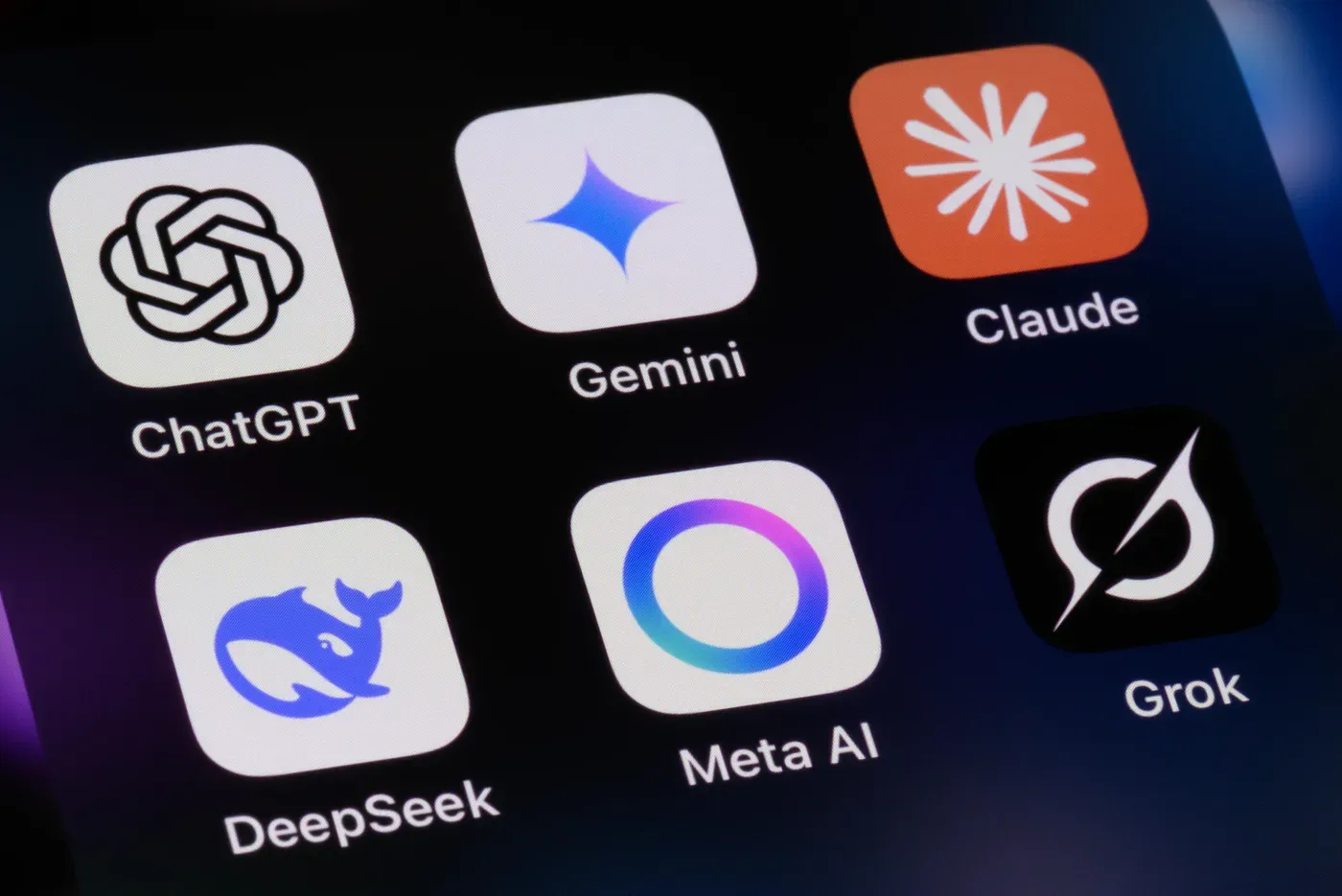
The tech world is abuzz with new developments in artificial intelligence as three major players - Google, Anthropic, and Mistral AI - have unveiled their latest AI models within a week of each other. These models showcase various improvements, but the real significance lies beyond mere benchmark comparisons.
Some releases are incremental updates that aim to enhance model speed and pricing, while others represent more substantial upgrades that push the boundaries of what is currently possible in AI development. A closer look at these new models reveals varying degrees of innovation and potential impact on their respective industries.
Anthropic's latest Haiku 5.5 model stands out for its focus on speed and cost efficiency, marking a significant update to the company's Claude platform. Designed specifically for high-volume, cost-sensitive tasks, this model is geared towards handling quick and repetitive workloads with reliability.
The improvements in Anthropic's Haiku 5.5 are notable, with costs dropping by approximately 75% compared to its predecessor. This latest model also demonstrates substantial gains across several benchmarks, including computer-use tasks, knowledge work, agentic coding, and visual reasoning.
Anthropic's latest AI models have seen significant improvements in alignment and cybersecurity capabilities. The company's Haiku 5.5 model is its first Haiku-level model to ship with an adjustable effort setting, allowing users to optimize for cost or intelligence. This feature enables users to tailor the model's performance to suit their specific needs.
The new Claude Sonnet 5.5 model has also seen substantial gains in performance and collaboration capabilities compared to its predecessor, Sonnet 5.0. Anthropic notes that Sonnet 5.5 is optimized for speed and affordability, making it a more accessible option for users. This upgrade marks a clear improvement over the previous version.
Sonnet 5.5 has also seen enhancements in alignment and cybersecurity capabilities, with safeguards comparable to those of Opus 5, a previous iteration of its big sibling. The model's performance boost is particularly noticeable in coding tasks, where it has seen significant gains in agentic coding and knowledge work benchmarks. Additionally, Sonnet 5.5 offers better protection against distillation attacks.
The latest Sonnet model also features improvements in safeguarding against model extraction, which can be used by attackers to build their own models without the built-in protections. Anthropic's efforts aim to mitigate this risk and ensure the security of its AI systems. These enhancements demonstrate the company's commitment to responsible AI development.
In related news, Google recently announced its Gemini 4 Argon model, which is currently limited to a small number of users through its Fairwind program. The model features enhanced deep reasoning capabilities and a 1 million-token output limit, allowing for more complex projects. However, it remains exclusive to trusted cybersecurity workers at this time.
The latest Gemini model, Gemini 4 Argon, has been upgraded to improve its reasoning, coding, and multimodal capabilities, much like other models in its series.
Mistral AI's new flagship model, Mistral Large 4, or "Le Chonk", has been released in a public preview, showcasing its advanced features in cybersecurity, geospatial analysis, and agentic AI. This model is reportedly among the top open-weight models globally, offering improved capabilities compared to its predecessors. The public preview will conclude on October 27, when the official rollout is set to take place.
Facts based on reporting originally published by CNET.
You may republish this story, in full or in part, if you credit News Central Site and link to it (licence CC BY 4.0). Photos are not included.