Microplastics Contaminate Bloodstream and Cause Cell Damage
Researchers have discovered that microplastic exposure can lead to cell damage and cardiovascular disease due to the production of reactive oxygen species when they interact with blood.
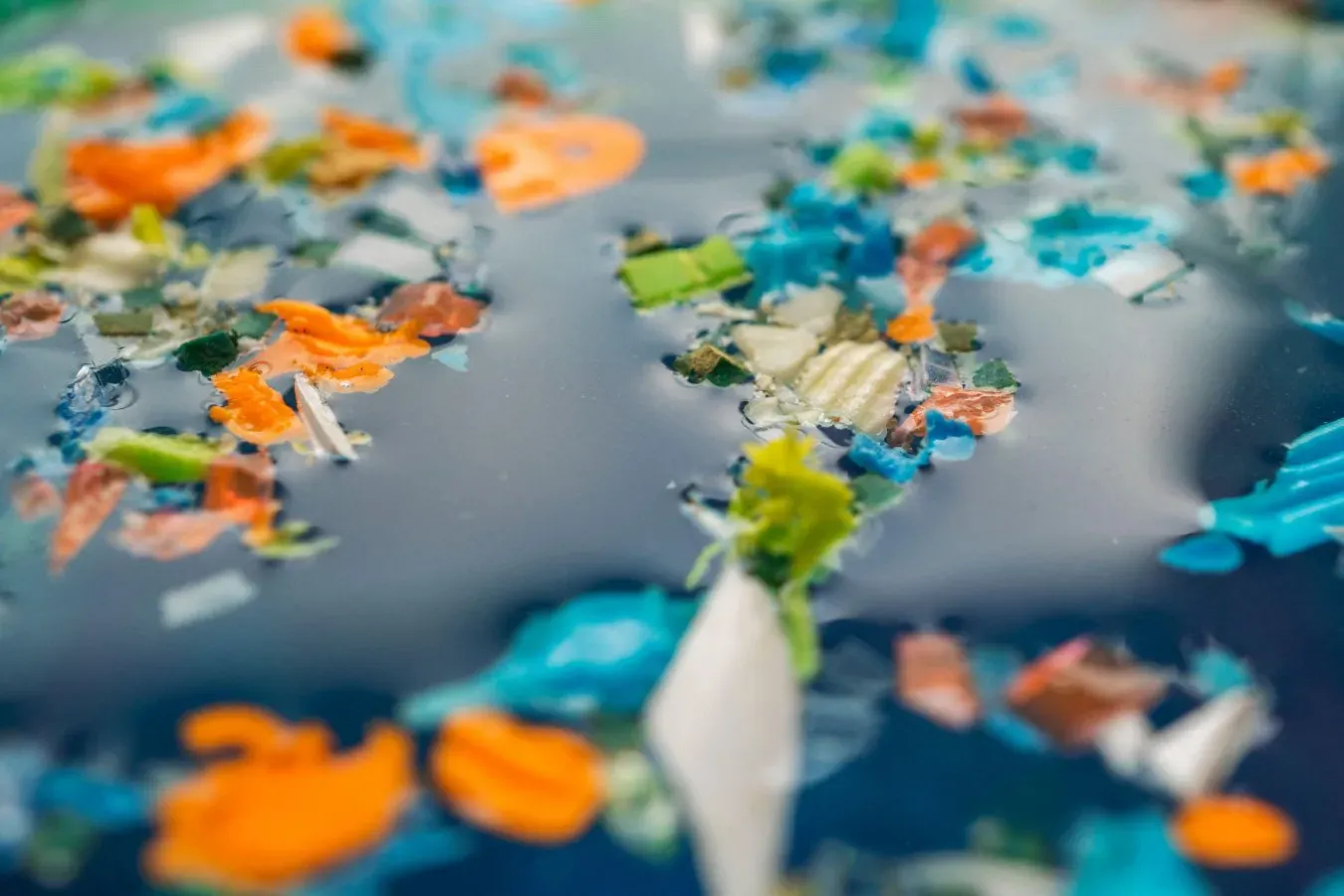
Microplastics have been found to contaminate numerous environments worldwide, including oceans.
This contamination has led researchers to investigate whether microplastics can cause harm when they enter our bloodstream.
According to studies published recently, microplastic exposure has been linked to various health issues, such as cell damage and cardiovascular disease.
Experts suggest that these problems may be caused by the production of reactive oxygen species, which are molecules that can damage cells.
Wei Min at Columbia University in New York says this is likely because the large surface area of microplastics allows them to react with other molecules.
When microplastics come into contact with blood, they release destructive molecules called reactive oxygen species.
These reactive oxygen species then interact with various molecules inside cells, potentially leading to inflammation and other issues.
The potential harm caused by common plastics was unclear until now, despite their widespread use in everyday products.
Plastic materials are not typically reactive because they do not contain oxygen.
When microplastics come into contact with water, a type of chemical reaction occurs that alters the composition of the surrounding liquid. This transformation is triggered by the formation of hydroxyl radicals at the interface between the plastic and water.
Electrostatic charges are created when this interaction takes place, allowing them to strip electrons from certain ions in the water. As a result, these hydroxyl radicals form, which can be volatile and contribute to chemical reactions in the surrounding environment.
The presence of these electrostatic charges also has an effect on biological molecules. When microplastics are suspended in water, they attract DNA and other cellular components to their surface, potentially causing damage to both proteins and red blood cells.
Further research was conducted using serum from blood as a substitute for water. While the reaction was weaker than in the initial experiments, it remained detectable, according to the researchers involved in the study.
The study's findings have significant implications for understanding how microplastics interact with biological systems. The researchers' observations suggest that microplastics can produce harmful molecules when they enter the bloodstream. However, the extent of this effect remains unclear, and other mechanisms could be involved in its production.
The processing of microplastics by the body may also play a role in determining their potential impact. If microplastics are broken down and eliminated from the system, their effects might be limited. But if they persist, they could continue to produce harmful molecules, contributing to an ongoing health risk.
Experts are hailing the study as a crucial step forward in understanding the interaction between microplastics and cells. While it does not provide a direct answer to the question of how dangerous microplastics can be, it offers valuable insights that can inform future research. By shedding light on this complex issue, the study provides a foundation for further investigation.
The surface area of microplastics is thought to be a key factor in their effects on biological systems. When a small plastic particle degrades, its surface area increases exponentially, potentially amplifying its impact. However, some researchers caution that this increased surface area may not necessarily translate to greater harm.
The presence of lipids as surfactants in the body may play a crucial role in how microplastics interact with our biological systems. According to researcher Campen, when microplastics enter the lung, they are immediately surrounded by these lipids.
This interaction could lead to the production of harmful molecules if microplastics enter the bloodstream. The researchers found that plastics with strong water-repelling properties, such as polyethylene and polypropylene, generate more radicals than those with hydrophilic properties like PET.
Facts based on reporting originally published by New Scientist.
You may republish this story, in full or in part, if you credit News Central Site and link to it (licence CC BY 4.0). Photos are not included.