Mice Invade Homes Through Hidden Food Sources
A common problem for households is the sudden appearance of mysterious droppings or debris under furniture, which can be a sign of unwanted visitors.
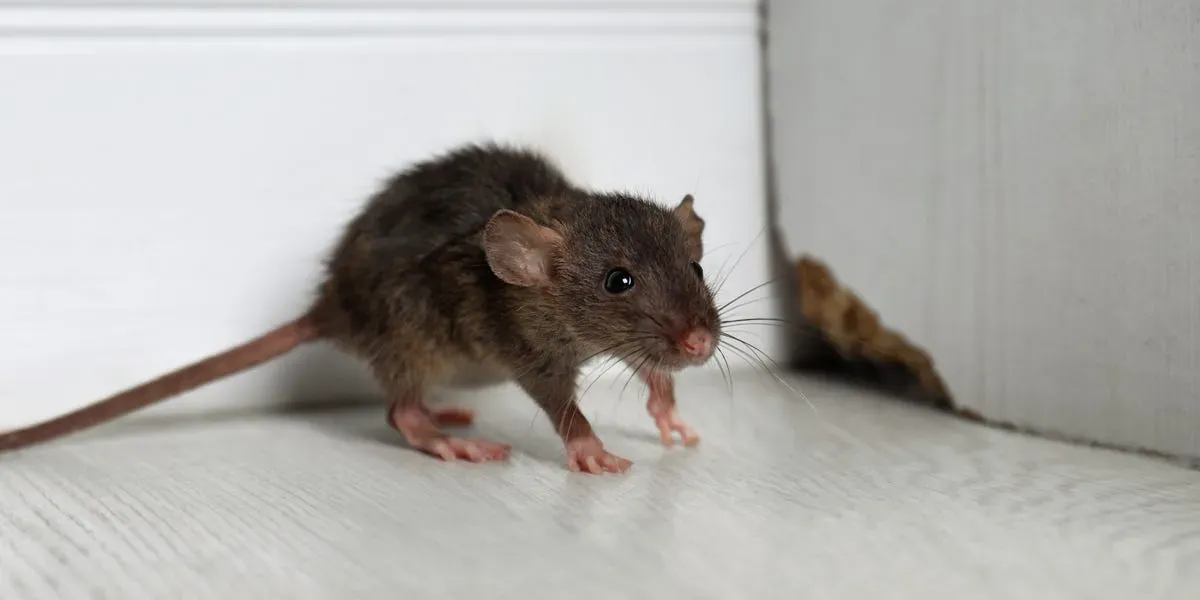
Mice are notorious for invading homes, often seeking out food sources in unexpected places. A common hiding spot is the bedroom, where they can feast on crumbs and spills left behind by residents. According to eyewitness accounts, a rustling sound from the wastebasket can be an early warning sign of unwanted visitors.
The sudden appearance of mysterious droppings or debris under furniture can send shockwaves through even the most vigilant household members. One resident recounts shining their phone flashlight down the back of a piece of furniture only to discover chocolate-covered raisins, not mouse droppings as initially feared.
Food waste and clutter can make a bedroom an appealing destination for mice and rats. Crumbs, discarded packaging, and uneaten snacks provide a feast for these unwanted visitors. According to Adam Hart, professor of conservation ecology at the University of Gloucestershire, food is a primary draw for rodents.
Dirty laundry and personal items can also serve as nesting material for mice. In fact, Adam notes that these attractants are more about providing shelter and potential nesting sites once rodents have entered the room rather than drawing them in initially. Dirty plates and glasses, like those found hidden under a bed, can be a sign of a larger issue.
Keeping food out of the bedroom is crucial to resolving this problem. It's also essential to maintain a tidy space by regularly cleaning up clutter and doing laundry.
Mice are notorious for seeking out materials to build their nests, often shredding paper and cardboard to create a cozy habitat.
Dark and undisturbed areas with low traffic are prime targets for these rodents, making the bottom of your wardrobe or chest of drawers a potential hotspot.
Rodents require water to survive, but they don't need much, which is good news for households.
Adam notes that while condensation itself may not be a major draw for mice, leaks and readily available water can help sustain them.
Moisture levels play a significant role in attracting mice into your bedroom. Since rats require more water than mice, condensation alone is unlikely to draw them in. Instead, mice may seek out leaky pipes or other sources of water in the en suite if it's conveniently located.
To eliminate humidity as an attractant, consider ventilating the bedroom by opening windows and doors, or using a dehumidifier to reduce moisture levels. This simple step can help make your home less appealing to unwanted visitors.
Cracks and gaps around windows and doors are just the beginning when it comes to potential entry points for unwanted visitors.
Seal up holes with caulk and reinforce with steel wool to prevent rodents from squeezing through even the tiniest openings.
Look out for vulnerable areas along skirting boards, in attics via the roofline, and anywhere else that might provide a mouse-sized gap.
Identifying how these pests are getting into your home is crucial to effective prevention, and experts agree that addressing this first step can make all the difference in keeping them out.
By taking care of the obvious entrances, you'll be well on your way to creating an inhospitable environment for mice.
Facts based on reporting originally published by Good Housekeeping.
You may republish this story, in full or in part, if you credit News Central Site and link to it (licence CC BY 4.0). Photos are not included.