Maldon Salt Investigation Finds Use of German-Mined Rock Salt
Recent investigations have raised questions about the authenticity of Maldon Salt's production process.
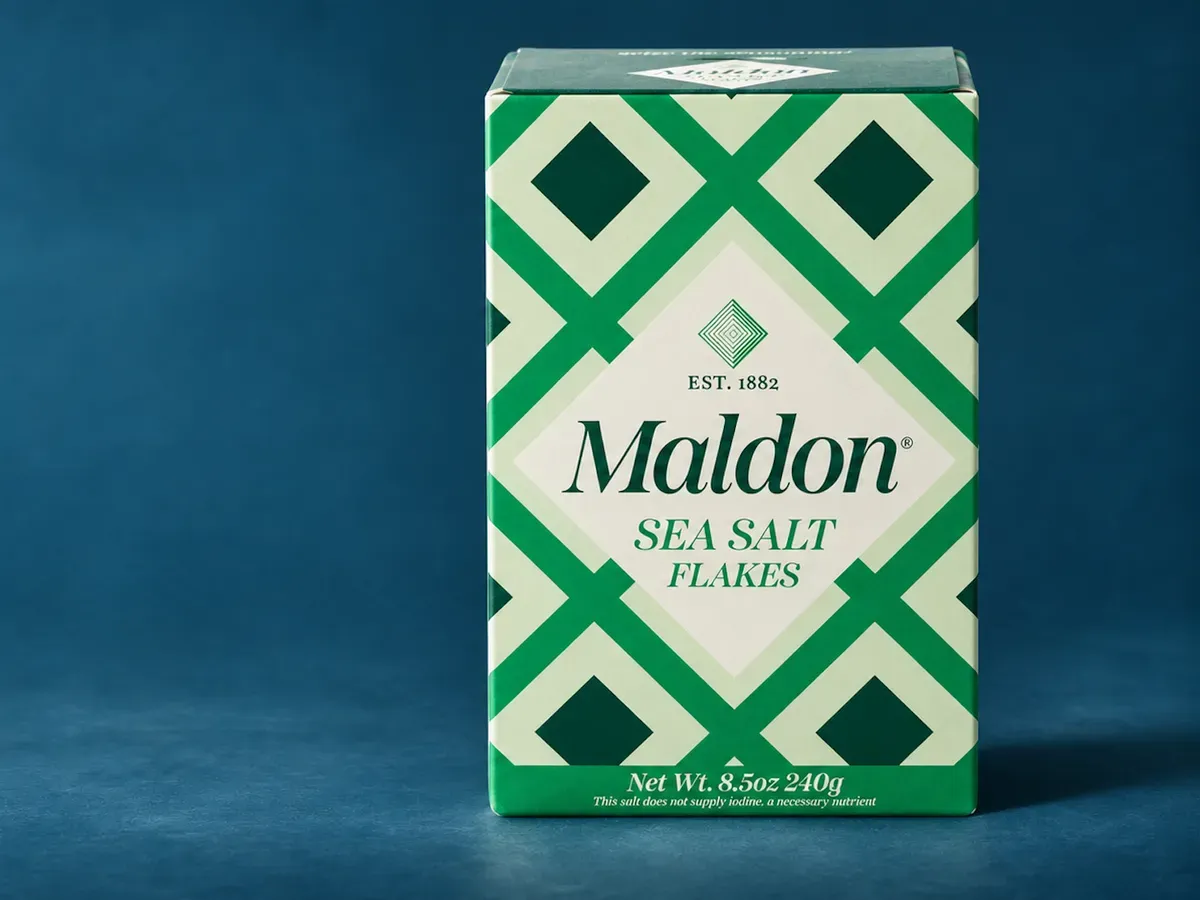
Maldon Salt's reputation is built on its unique production process in Essex, where pyramid-shaped flakes are made using water from the Blackwater Estuary. However, recent investigations have raised questions about the company's authenticity. A probe found that German-mined rock salt is also used in Maldon's production process, sparking concerns about the label's accuracy.
The term "100% sea salt flakes on Maldon's labels has left some shoppers wondering what it really means. Does it imply that the salt comes entirely from the sea, or can other sources be used? The distinction is crucial for consumers who value the product's origins and manufacturing process.
Maldon claims to use a traditional method called salt-on-salt, where rock salt is added to seawater to create brine, which is then heated and evaporated. According to the company, this process produces the same distinctive taste and texture that cooks have come to expect from Maldon Salt. The rock salt used in this method is described as ancient sea salt.
Regulators investigated Maldon's production process between 2019 and 2020 but took no further action. Officials explained that there was no specific law defining what constitutes sea salt. While the findings do not raise concerns about food safety, they do highlight the need for greater transparency in labeling.
Residents have documented deliveries of German rock salt to Maldon's Essex site, raising questions about the accuracy of the company's labeling and manufacturing process. The investigation has sparked a wider debate about how much detail consumers should be given about a product's origins and production methods.
The controversy surrounding Maldon Salt has led to questions about transparency in labeling and marketing.
From a nutritional standpoint, both sea salt and rock salt are essentially sodium chloride, making it unlikely that adding German rock salt would significantly alter the product's overall nutritional profile, according to registered dietitian Stefani Sassos.
Specialty salts like Maldon's may differ in flavor, texture, crystal size, and mineral composition compared to table salt or other types of specialty salts, but these differences do not provide any substantial health benefits, Sassos points out.
The label on Maldon's U.S. product page lists the ingredient as sea salt flakes and describes it as hand-harvested in Maldon, Essex, which may lead some consumers to assume that they are getting a truly authentic product.
Consumers should be able to trust that what they're paying for is exactly what they get, Sassos emphasizes, suggesting that if imported rock salt is being added, this information should be clearly disclosed and transparently communicated.
The labeling discrepancy between Canadian and US versions of Maldon salt is more than just a semantic difference. According to regulatory guidelines, salt from a mine cannot be labeled as sea salt in Canada.
On packaging, this distinction manifests as different ingredient descriptions: salt flakes on the Canadian tub versus sea salt flakes on the US version. This variation may seem minor, but it highlights how shoppers in different markets are presented with distinct information about product ingredients.
The rules governing labeling requirements vary between countries, and the Canadian Food Inspection Agency's stance is clear: mine-sourced salt should not be marketed as sea salt. However, this rule does not dictate US labeling standards, resulting in differing descriptions on Maldon products sold across international borders.
Maldon's manufacturing process might not impact how consumers use their product at home. Nevertheless, for those who prioritize the origin of ingredients, additional details about production methods can help them assess whether the label accurately reflects their expectations.
Additional details about production methods can be crucial for shoppers seeking to understand the authenticity of products claiming artisanal" or "hand-harvested" origins.
When scrutinizing product labels, it's essential to consider whether the manufacturer is transparent about its methods and suppliers, even if it doesn't meet the traditional definition of artisanal.
Facts based on reporting originally published by Good Housekeeping.
You may republish this story, in full or in part, if you credit News Central Site and link to it (licence CC BY 4.0). Photos are not included.