Medicare Rebate Payments Set to Be Sent Out This Week
Over 20 million Medicare enrollees will receive a $90 rebate this week as part of an effort to help pay for Part B premiums.
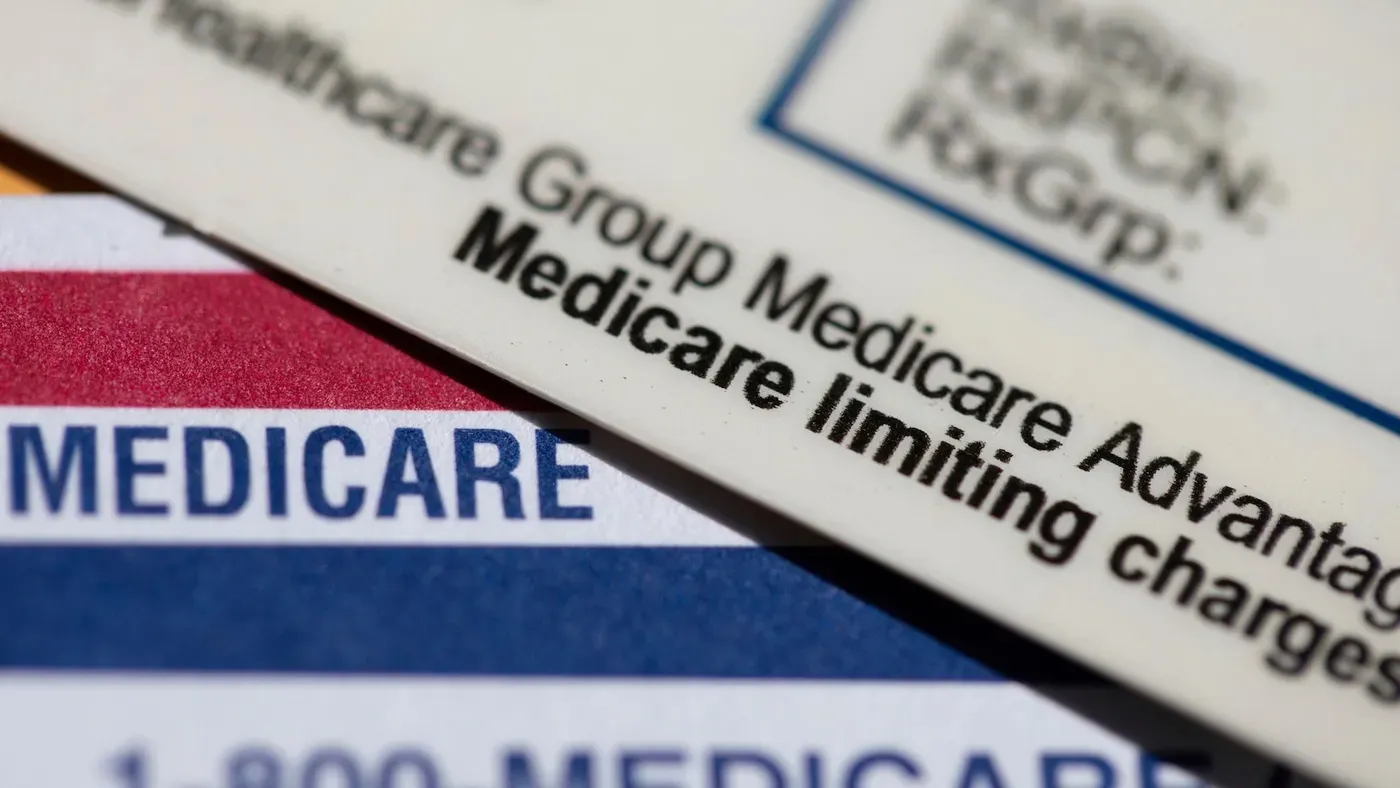
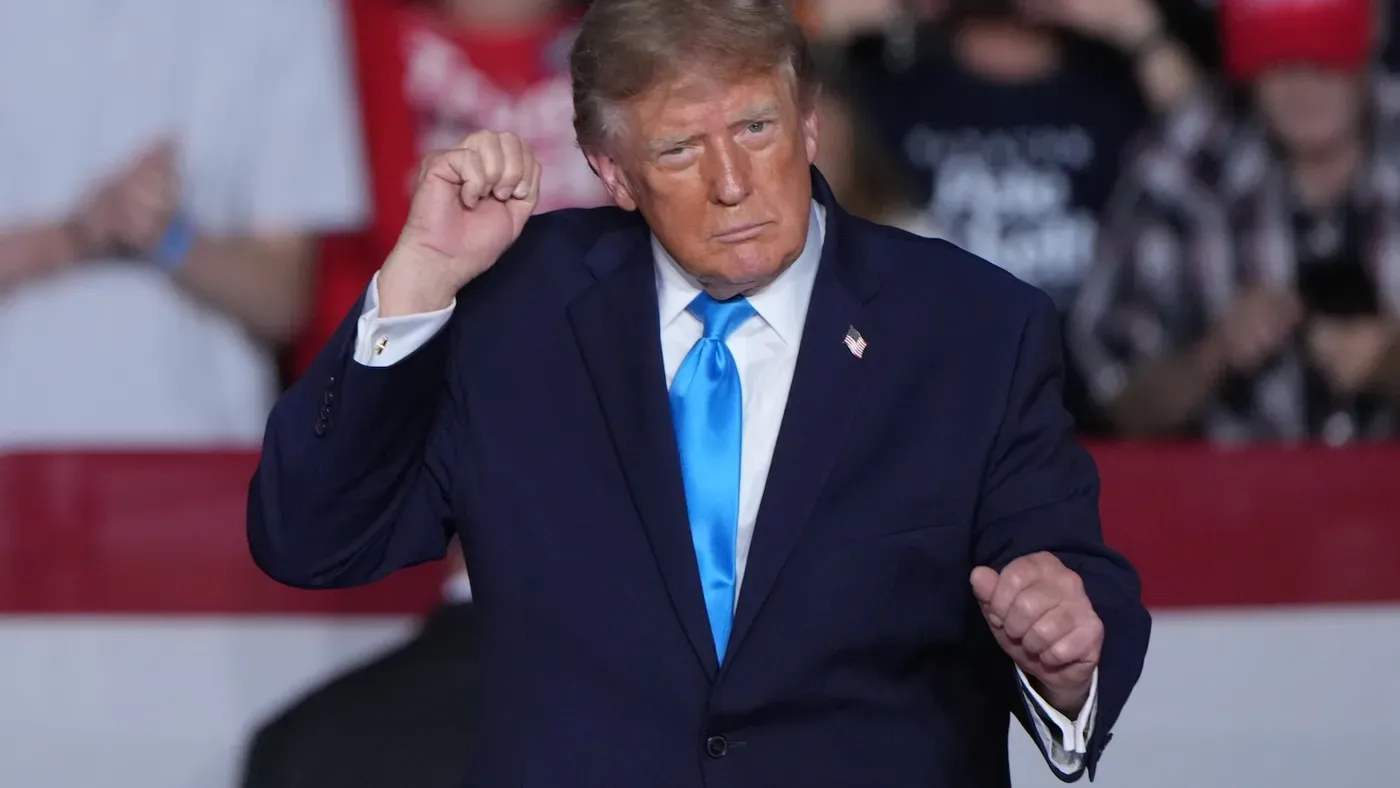
A one-time rebate of $90 per person is set to be sent out this week to over 20 million Medicare enrollees as part of a promise made by President Donald Trump's administration.
The payment aims to help these individuals pay for their Part B premiums, with the total cost estimated at around $2 billion. This move comes amidst concerns about rising healthcare expenses and living costs, which are major issues for voters ahead of the upcoming midterms on November 3rd.
However, not all Medicare recipients will be eligible for this rebate. Approximately 35 million people enrolled in Medicare Advantage plans will not receive a payment, along with millions of low-income individuals and those with disabilities who already receive premium assistance through other programs.
The eligibility criteria are narrow, applying only to original Medicare Part B recipients living in the United States who do not rely on Medicaid for their premiums or pay an income-related monthly adjusted amount. This means that around 20.8 million people fall into this category, according to available data.
Medicare Advantage enrollees make up more than half of the eligible Medicare beneficiaries, but they will not be receiving a payment as part of this initiative.
The Medicare Part B program covers essential expenses such as doctor's visits, ambulance services and lab tests, with total monthly costs typically starting at around $200 and varying based on individual income levels.
Eligible beneficiaries will receive a one-time payment of $90 this month, with the majority receiving it via direct deposit on or around Friday. Others may receive their rebate in the form of a paper check from the Treasury Department later in October.
According to Juliette Cubanski, director of KFF's Medicare policy program, the payment process will be automatic, requiring no sign-up or application from recipients. This means that eligible individuals can simply expect to receive the $90 rebate without needing to take any action.
The payments are being made possible through the Medicare Improvement Fund, which was established by Congress in 2008 with the aim of improving program management and conducting oversight of contracts and contractors. The fund's purpose has since expanded due to various legislative changes.
The Medicare rebate payments, which amount to $90 per person, are being sent out to eligible recipients in an effort to provide some financial relief amidst rising healthcare costs.
However, critics argue that this move is more of a political ploy than a genuine attempt to address the underlying issues within the healthcare system. They contend that the payments are too small to make a significant impact on individuals' lives and are instead intended to sway voters ahead of elections.
The use of $20 billion from redirected funds to expand healthcare coverage under the Affordable Care Act has been cited as an example of how the Medicare rebate fund's purpose has evolved over time due to legislative changes. This redirection was initially done under the Obama administration in collaboration with Congress.
In conclusion, despite the intentions behind it, the effectiveness and sincerity of Trump's Medicare rebate initiative remain questionable, leaving many to wonder if this is indeed a genuine effort to alleviate healthcare costs or simply a publicity stunt.
Facts based on reporting originally published by ABC News Politics.
You may republish this story, in full or in part, if you credit News Central Site and link to it (licence CC BY 4.0). Photos are not included.