Mariana Trench Discovery Reveals Deepest Volcanic Activity on Record
A remotely operated submarine rover has made a groundbreaking discovery in the Mariana trench, unearthing the world's deepest explosive volcanic activity at an astonishing 6148 metres below sea level.
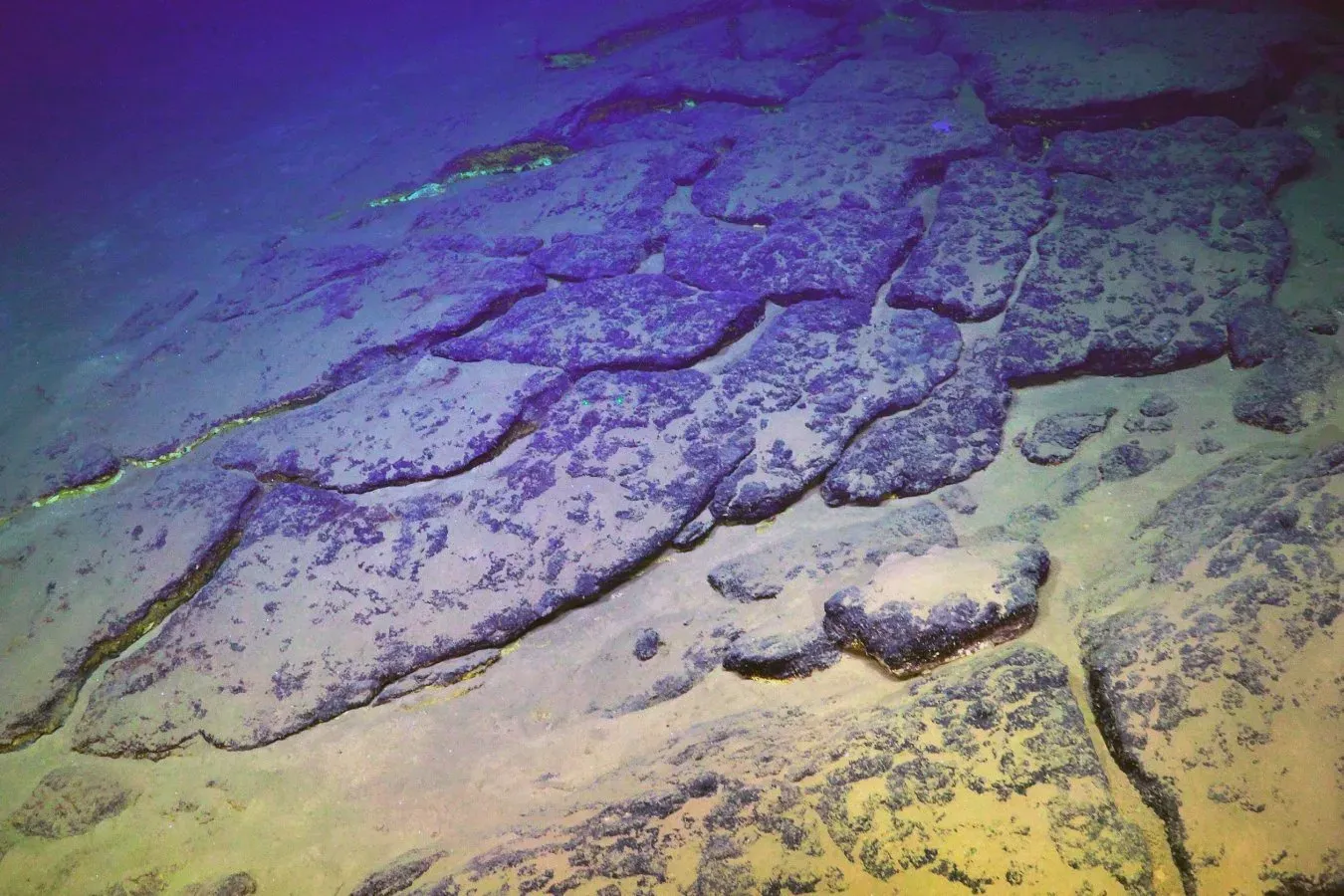
A remotely operated submarine rover has made a groundbreaking discovery in the Mariana trench, unearthing the world's deepest explosive volcanic activity to date at an astonishing 6148 metres below sea level.
The research team, led by Robert Stern from the University of Texas at Dallas, was collecting rock samples in this unique region to better understand its geology. According to experts, the nature of this volcanic activity is particularly intriguing and warrants further exploration.
Located in the Pacific Ocean, the Mariana trench began forming approximately 52 million years ago when one tectonic plate slid under another, creating a deep valley. The Challenger Deep, the lowest point on Earth, lies within this trench at an incredible 11,000 metres below sea level.
The team focused their search on an area around 6100 metres deep near the Challenger Deep and found deposits containing volcanic ash and rock, providing clear evidence of the deepest reported volcanic eruptions to date.
The team's discovery in the Mariana trench has raised interesting questions about the geology of the area.
A key factor in this phenomenon is the unusual location where the eruptions occurred. Typically, volcanic activity is associated with areas where the mantle is hot enough to melt rocks, but the Mariana trench defies this expectation.
The team's remotely operated submersible, Jason, played a crucial role in uncovering evidence of volcanic ash and rock deposits at a depth of around 6100 metres.
Rocks from the sample site show signs that they were welded onto by hot material, indicating that the volcanic activity was intense when it occurred.
The discovery of explosive volcanic activity at unprecedented depths in the Mariana trench has shed new light on the Earth's mantle processes. The site shows signs that the Pacific plate is being subducted beneath the Philippine plate at a greater depth than previously thought, creating a stretching effect that thins out the upper section of the Philippine Sea plate.
This thinning of the crust makes it easier for mantle material to penetrate and trigger volcanic activity, which in turn provides scientists with access to material originally from the upper mantle. As Peter Rowley from the University of Bristol notes, getting to this type of material has long been a goal in geological research. The samples collected are likely to contain some component of mantle origin.
The discovery is significant because it demonstrates explosive volcanic activity at greater depths than previously observed, and highlights the need for further research into submarine volcanism, an area where knowledge gaps remain substantial.
Facts based on reporting originally published by New Scientist.
You may republish this story, in full or in part, if you credit News Central Site and link to it (licence CC BY 4.0). Photos are not included.