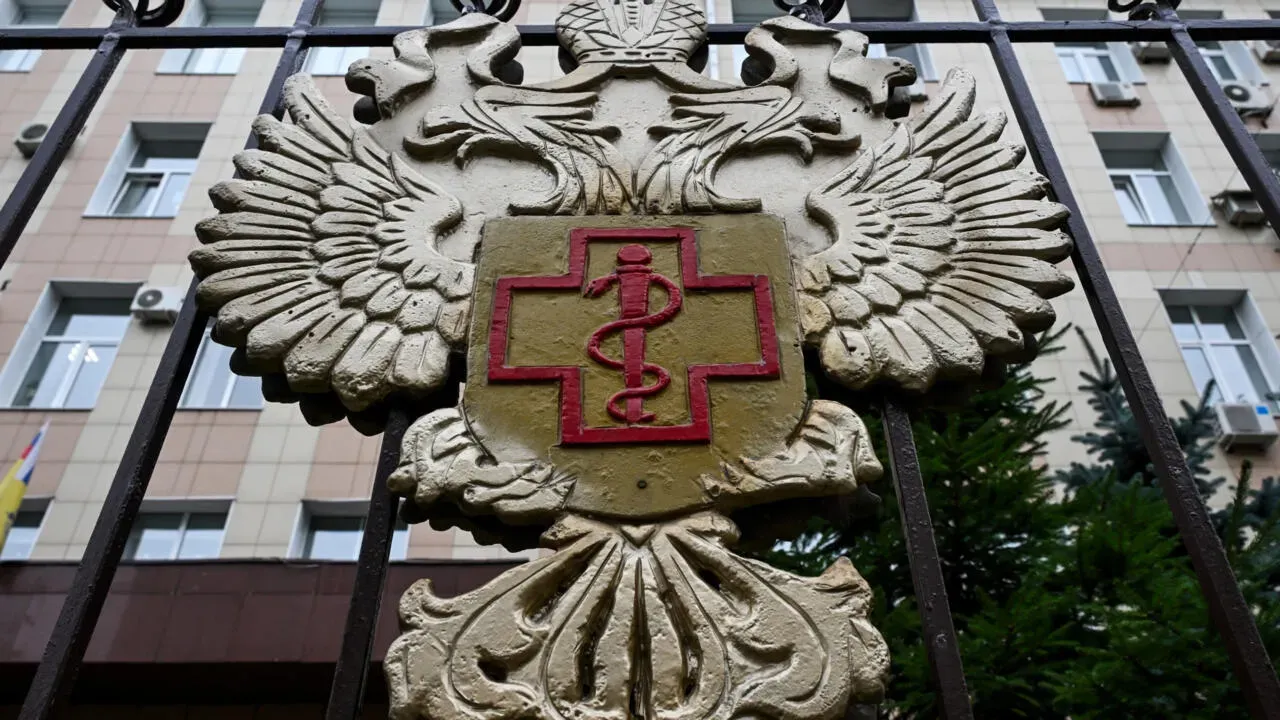
Lab worker dies in Siberia amid pneumonic plague concerns
A lab worker has died in Siberia and there are fears she may have contracted pneumonic plague, a highly infectious disease.
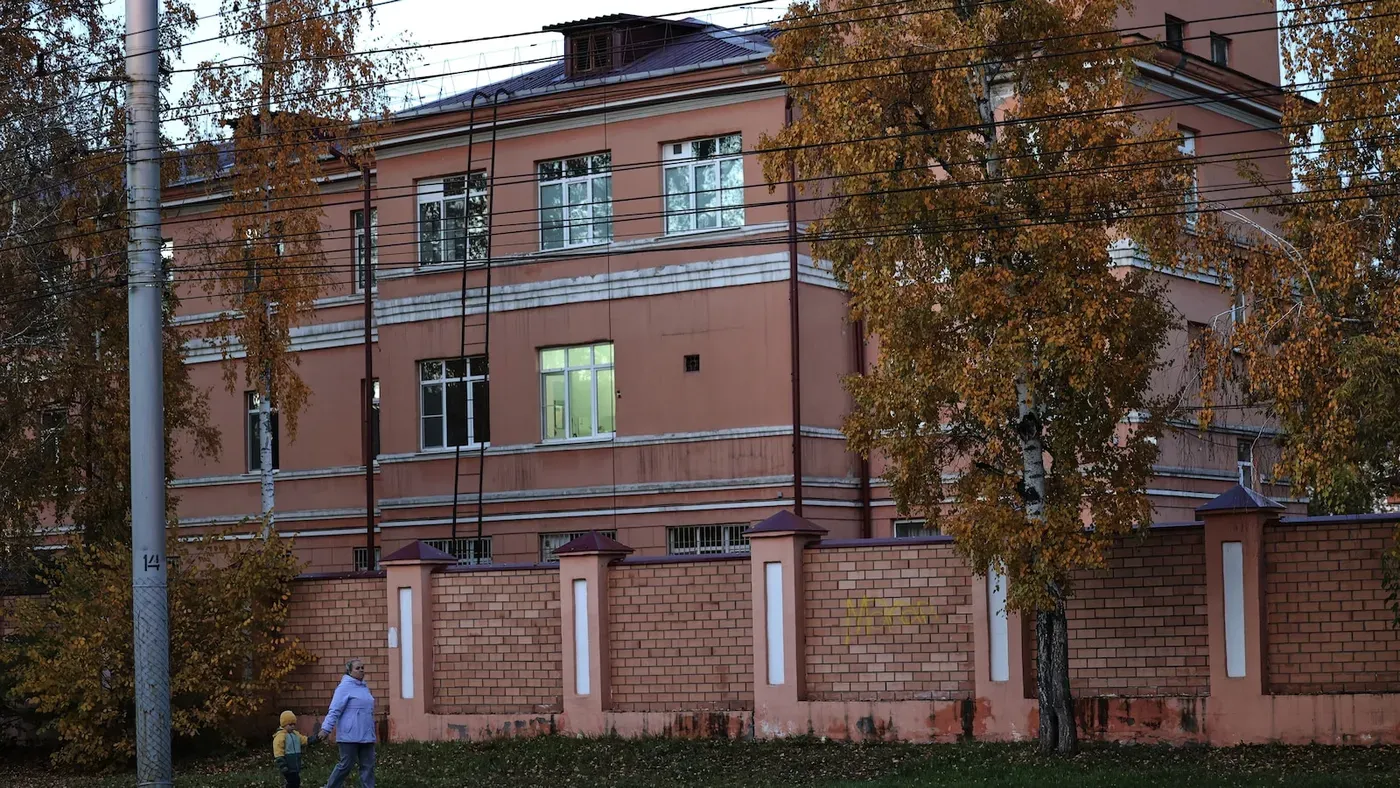
Russian authorities are keeping details of a lab worker's death in Siberia under wraps, fueling speculation that it could be connected to pneumonic plague. The incident has sparked concern globally, but state-controlled media in Russia have avoided discussing the case. Instead, they have withdrawn earlier reports about the event from their websites.
Independent online news outlets have taken up the story, which suggests a possible link between the lab worker's death and pneumonic plague. This highly infectious disease is known to be caused by the bacterium Yersinia pestis, often transmitted through direct contact with an infected person or animal.
Russia's public health watchdog, Rospotrebnadzor, has confirmed that the deceased lab worker was diagnosed with pneumonia of unknown origin. However, it has stopped short of linking this diagnosis to pneumonic plague in its official statements.
The lab worker is reported to have died on October 2 at a hospital in Shelekhov, just outside Irkutsk, according to local state TV reports. Further testing is being conducted by the Irkutsk Anti-Plague Research Institute of Siberia and the Far East to determine the cause of her illness.
Quarantine measures are in place at a hospital where a suspected case of pneumonic plague was reported, following the death of a lab worker whose cause of illness remains unconfirmed.
The Russian government has assured the World Health Organization that there have been no registered cases of plague in the Irkutsk region of southeastern Siberia. Moscow's statement aims to alleviate concerns about the potential spread of the disease.
Meanwhile, US President Donald Trump has expressed his intention to discuss the issue with Russian President Vladimir Putin. In a comment made earlier this week, Trump hinted that he would report on their conversation "probably tomorrow, coinciding with Putin's 74th birthday.
Kremlin officials have yet to confirm whether a phone call between the two leaders will take place, but they have indicated that it could be arranged quickly if needed. This follows Trump's statement that the US is prepared to assist Russia in addressing the situation.
Russian health authorities have implemented a range of preventive measures to contain any potential outbreak, including tracing contacts and conducting medical monitoring and lab tests. According to reports, these efforts have so far shown no evidence of dangerous infectious disease pathogens among those who interacted with the deceased woman.
Russian health authorities have continued to downplay concerns surrounding a suspected case of pneumonic plague at a laboratory in Irkutsk region. The Geneva-based World Health Organization (WHO) has sought further information on the cause of severe pneumonia that prompted public health measures and media reports of another employee with undetermined pneumonia.
The WHO has maintained contact with Russian health officials and offered technical support to aid in their investigation. However, despite growing global concerns, authorities have remained tight-lipped about the situation, refusing to comment on speculation surrounding a possible plague outbreak.
In a statement issued Tuesday, Rospotrebnadzor, Russia's consumer protection agency, dismissed suggestions of a serious health crisis in the region. According to the agency, the sanitary and epidemiological situation remains calm in Irkutsk region, with authorities completing prophylactic measures and medical observation over contacts.
Rospotrebnadzor reported two cases of COVID-19 and two cases of rhinovirus among those who interacted with the deceased lab worker. The agency emphasized that no other infectious pathogens have been found among contacts so far.
Local news outlet Lyudi Baikala has identified the deceased lab worker as 28-year-old Darya Shipilova, citing her colleagues as describing her as a highly qualified and diligent researcher.
A team of disinfection experts has been working to sanitize Shipilova's apartment, leaving a strong antiseptic smell behind according to her neighbors who described the efforts.
The hospital where she died remains under quarantine, with no new admissions or discharges allowed until further notice, although its outpatient clinic continues to operate as usual. This is in accordance with instructions from Mayor Maxim Modin.
Irkutsk Gov. Igor Kobzev has confirmed that Shipilova's death was due to a particularly dangerous infection", and everyone who came into contact with her is being closely monitored by medical professionals.
Facts based on reporting originally published by ABC News International.
You may republish this story, in full or in part, if you credit News Central Site and link to it (licence CC BY 4.0). Photos are not included.